
LATEST POSTS
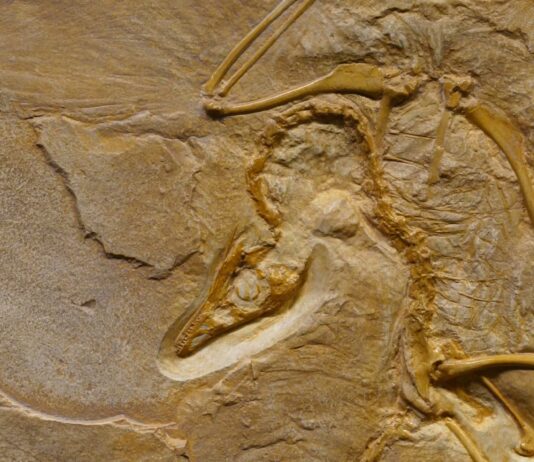
How to Fake a Fossil: Palaeontologists Reveal the Surprisingly Simple Method
The toolkit for faking a fossil overlaps almost entirely with legitimate preparation techniques, and palaeontologists who study fraud say the most dangerous fakes are composites of real bones — meaning chemical tests pass while the joins go undetected.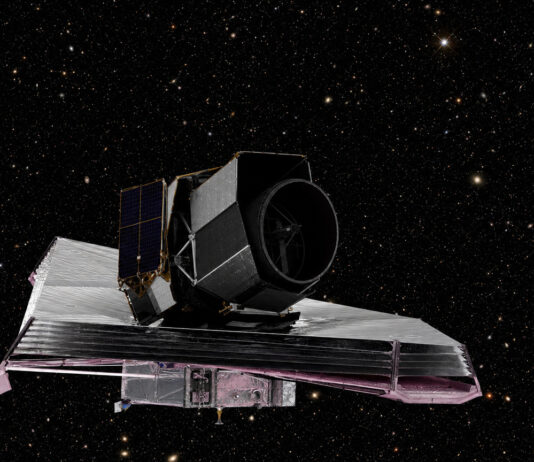
NASA’s Roman Telescope Could Detect 400 Rogue Planets — Each Visible for Hours
NASA's Nancy Grace Roman Space Telescope could detect roughly 400 Earth-mass rogue planets drifting starless through the Milky Way, using gravitational microlensing events that last only hours — though researchers caution the forecast carries enormous uncertainty.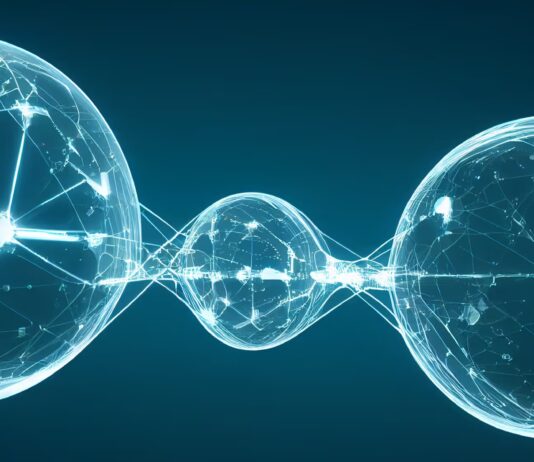
The Real Multiverse Physics Behind Doctor Strange Is Stranger Than Marvel’s
Doctor Strange's multiverse borrows from a genuine 1957 physics theory, but the real Many-Worlds Interpretation is far stranger — and explicitly forbids the inter-universe travel the film depicts.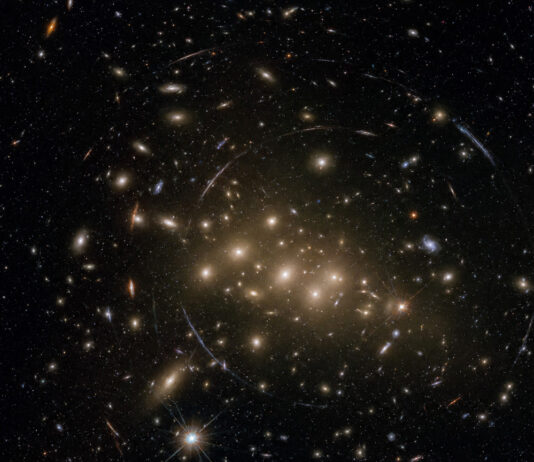
Hidden Dark Matter Force Could Explain Why the Universe Grew Wrong
Persistent gaps between observations and predictions — from galaxy core shapes to large-scale cosmic clumping — are pushing physicists toward a radical hypothesis: dark matter carries a hidden force that interacts only with itself, one that would demand a rewrite of particle physics.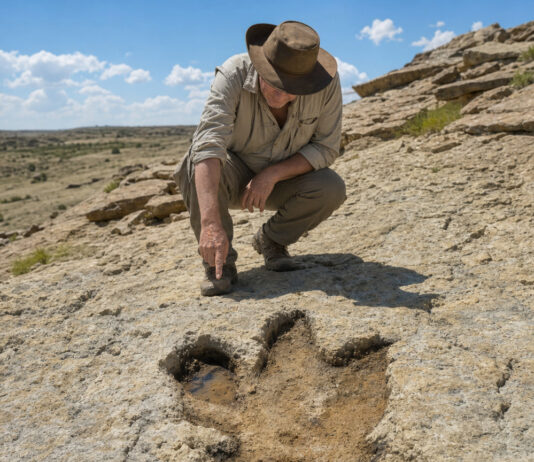
150-Million-Year-Old Sauropod Footprints Show a Limping Giant That Looped Back
Fossilized footprints from a Jurassic-era sauropod in Colorado reveal a creature that walked with a pronounced gait asymmetry — the fossil equivalent of a limp — and inexplicably looped back on its own trail, puzzling paleontologists 150 million years later.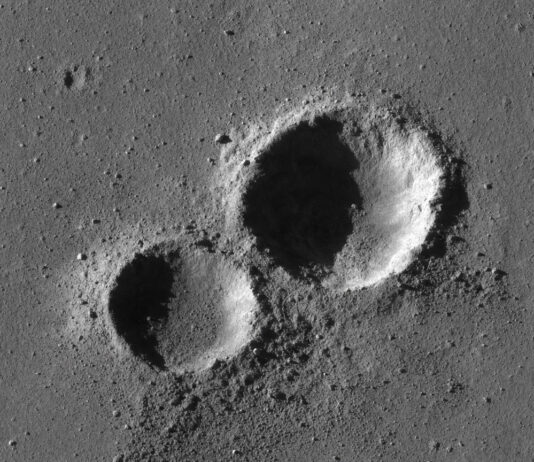
SpaceX Rocket Hit the Moon at 5,400 mph — and Left a Crater No One Can Explain
NASA's Lunar Reconnaissance Orbiter confirmed a wayward SpaceX Falcon 9 upper stage struck the moon's far side, leaving behind an anomalous double crater — two overlapping impacts that no human-made object has ever produced before and that current impact models cannot fully account for.Load More
TOP POSTS


EDITOR PICKS

February 12, 2025


