Vitalism
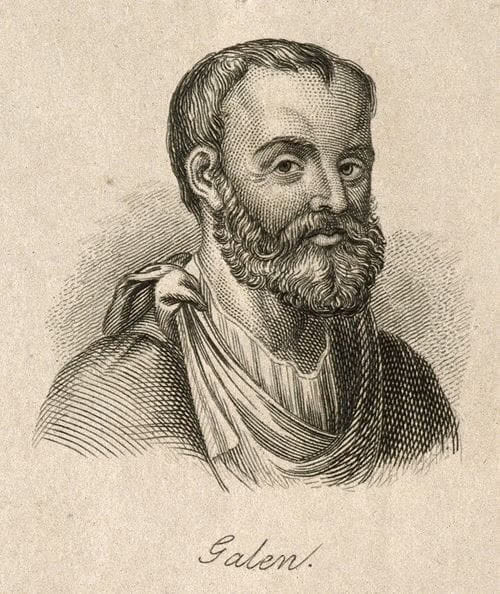
People Behind It: Aristotle, Galen, Paracelsus
Belief Timeframe: 300 BCE to 19th Century
Vitalism is a major part of the alternative medicine world. Essentially, it is a form of pseudoscience that has never really proven to be true. Most believe it began as a theory due to Roman physician Galen in the 3rd century BCE. He poses that living organisms are fundamentally different from non-living entities. Mostly because they contain some non-physical element or are somehow governed by different principles when compared to inanimate objects. Vitalism utilizes the “vital principle” in that an element has a vital spark or energy, which was often linked to the “soul.”
This became one of the scientific theories that fooled scientists for years, especially during the 18th to 19th centuries. Johannes Reinke decided to propose a testable hypothesis, meant to show inadequacies with mechanic explanations. Yet these tests failed to show support for vitalism at all. Eventually, biologists came to see vitalism as heavily untrue. We could refute it with clear empirical evidence, so by the 20th century most saw it simply as pseudoscience only. Sadly, many medical philosophies and traditional healing practices utilized this theory. They felt that diseases resulted from some imbalance with the vital forces and tried to bring balance. Of course, this is untrue so none of these practices ever really offered much.