
LATEST POSTS
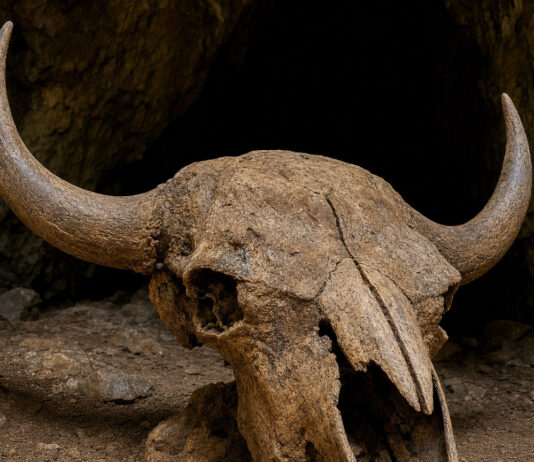
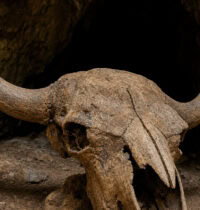
Ancient Bison DNA From 115 Genomes Exposes How Cattle Genes Invaded Modern Herds
By sequencing 115 ancient bison genomes alongside 45 modern ones, researchers built a 20,000-year genetic timeline that reveals how cattle ancestry quietly entered the bison genome — and gives wildlife managers a precise new tool to guide breeding and herd recovery.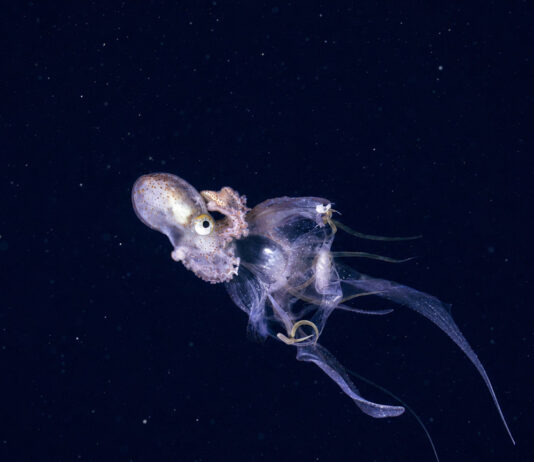
Dumbo Octopus Survives 4,000 Meters Down Where Pressure Would Crush Steel
Grimpoteuthis, the dumbo octopus, holds the depth record among all octopuses, thriving at 4,000+ meters in total darkness under 400 bar of pressure — and its fleshy, ear-like fins are the key to how it survives.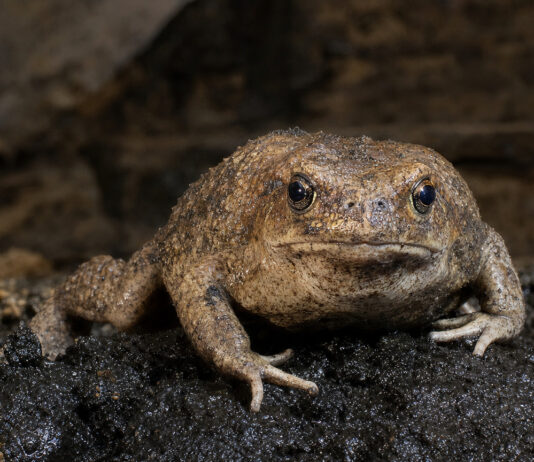
La Brea Tar Pits Reveals a New Ice Age Toad Species Hidden for 50,000 Years
Scientists have formally named Spea labreae, an extinct spadefoot toad pulled from La Brea Tar Pits, making it only the second Ice Age amphibian ever officially identified in North America.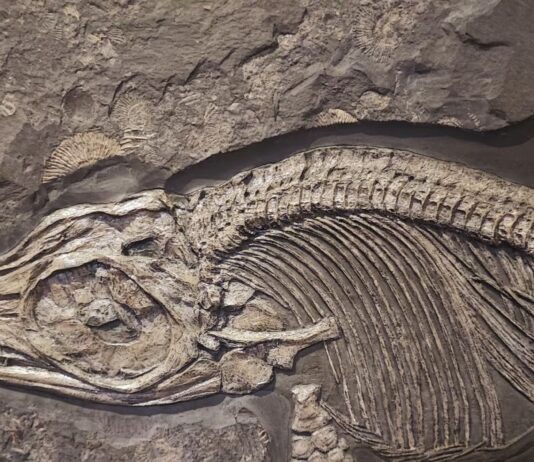
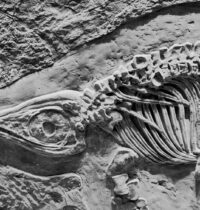
Ichthyosaur Fossil Caught Mid-Meal Eating a Pterosaur — Then Kronosaurus Struck
A single 100-million-year-old Queensland fossil preserves a complete three-link predation chain: a pterosaur inside an ichthyosaur's stomach, and Kronosaurus bite marks on the ichthyosaur's bones. Neutron scans unlocked what visual inspection could not.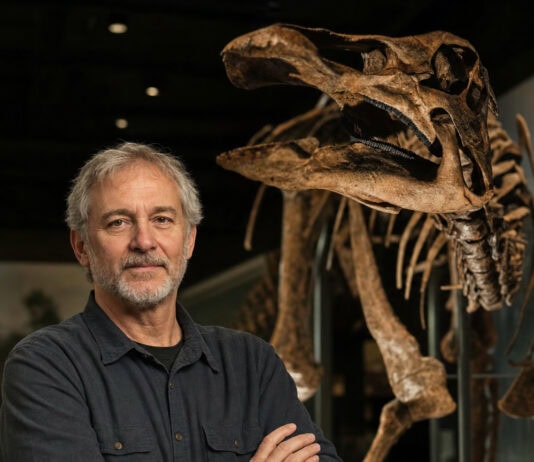
New Pennsylvania Dinosaur Species Found Mislabeled in Museum for Decades
A massive duck-billed dinosaur fossil housed at the Pennsylvania State Museum was misidentified for decades under an existing species name. Modern reanalysis confirmed it as an entirely new hadrosaur species, highlighting the untapped scientific value of museum collections.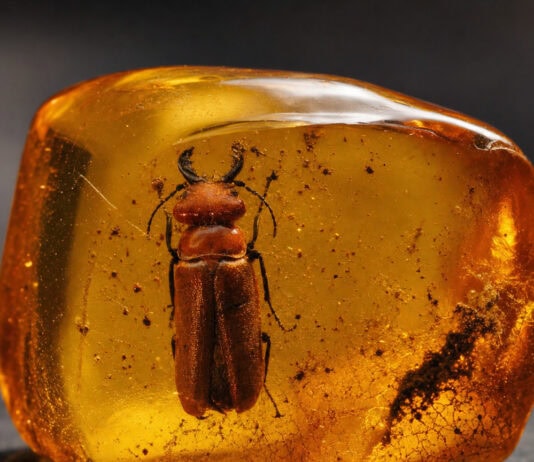
100-Million-Year-Old Beetle Fossil Proves Firefly Glow Evolved Far Earlier
A thumbnail-sized beetle encased in 100-million-year-old amber has preserved both a light-emitting organ and elaborate chemosensory antennae, pushing back the confirmed fossil record of firefly-like bioluminescence by tens of millions of years.Load More
TOP POSTS
EDITOR PICKS


June 10, 2025
