15. Freezing Temperatures and Snow Were Common Despite Warmer Global Climate
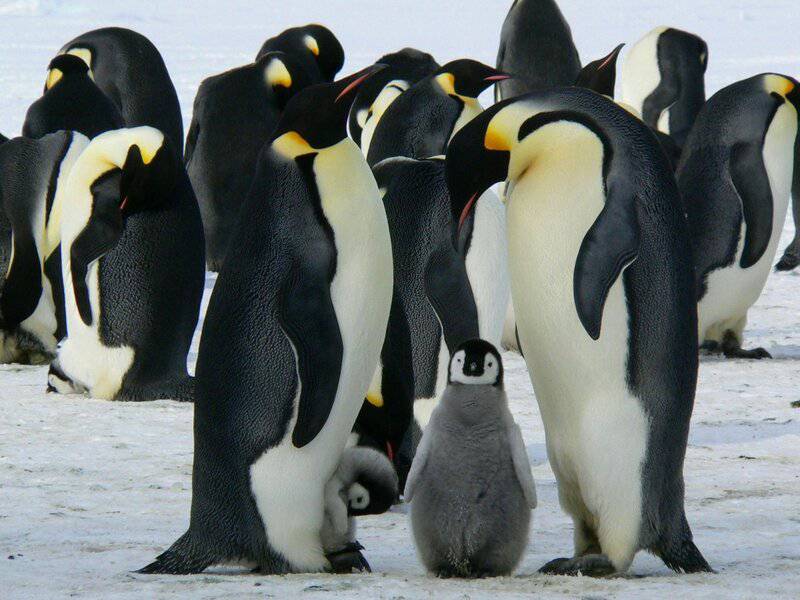
Though the Cretaceous period is famous for its overall warmer global temperatures, the ancient Arctic still endured freezing winters and regular snowfall. Cold snaps and icy landscapes persisted for months, creating a paradoxical environment where lush summers gave way to harsh, snowy winters.
These local extremes meant that birds nesting in the Arctic had to be exceptionally adaptable—coping with both abundant resources and sudden scarcity—setting them apart from their relatives living farther south in milder conditions.