22. Naked Mole Rat
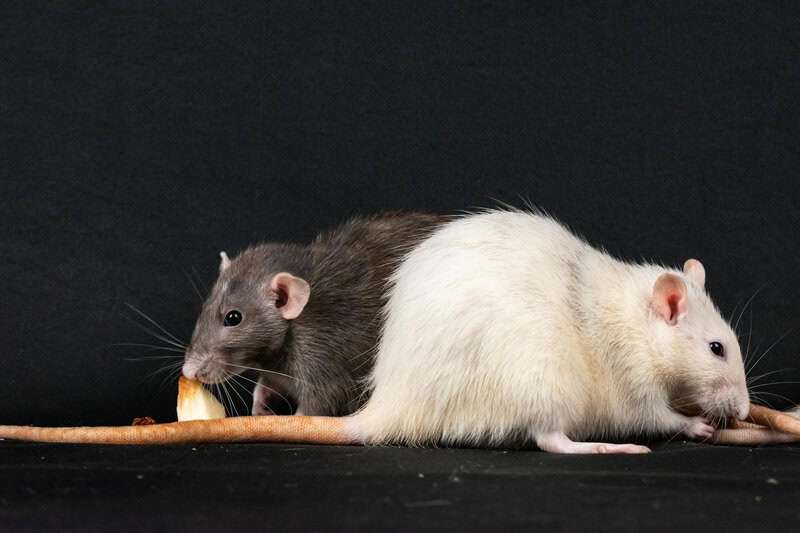
The naked mole rat, Heterocephalus glaber, is a subterranean mammal native to East Africa, renowned for its remarkable adaptations to life in low-oxygen, high-carbon dioxide environments. These adaptations include:
Oxygen Deprivation Tolerance: Naked mole rats can survive up to 18 minutes without oxygen, a feat lethal to most mammals. They achieve this by switching from aerobic metabolism to anaerobic metabolism, utilizing fructose as an energy source during periods of anoxia. (nationalgeographic.com)
High Carbon Dioxide Tolerance: Living in densely populated colonies, they endure elevated carbon dioxide levels, which would be harmful to humans. Their bodies have adapted to function effectively in these conditions. (pubmed.ncbi.nlm.nih.gov)
Pain Insensitivity: Naked mole rats exhibit a lack of pain sensitivity, particularly to acid and capsaicin, likely due to a deficiency in certain pain-signaling molecules. This adaptation is beneficial in their high-carbon dioxide, acidic environment. (en.wikipedia.org)
Cancer Resistance: They possess a unique form of hyaluronan, a sugar molecule, which prevents cells from clumping together and forming tumors, contributing to their resistance to cancer. (britannica.com)
These extraordinary adaptations enable naked mole rats to thrive in environments that would be inhospitable to most other mammals, highlighting their unique physiological and biochemical resilience. For more information, see National Geographic.