Phoenician Astronomy
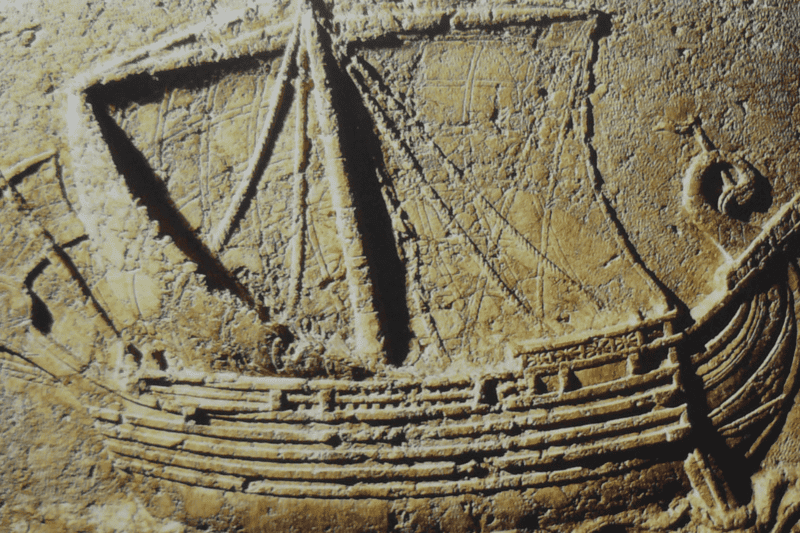
In the history of ancient seafaring, the Phoenicians are a maritime civilization whose prowess extended beyond the waves and into the vastness of the night sky. Renowned for their navigational excellence, the Phoenicians, though leaving limited traces of formal astronomical studies, undoubtedly wielded a profound understanding of navigation. Their legendary seafaring expeditions across the Mediterranean and beyond were likely guided by a practical familiarity with the stars and celestial bodies.
This implicit knowledge, essential for steering through the open waters, shows the critical role astronomy played in the daily lives of the Phoenician sailors. The lack of direct evidence shouldn’t diminish their astronomy legacy; instead, it highlights the pragmatic nature of their astronomical pursuits, serving a utilitarian purpose in the uncharted waters of the ancient world.
The Phoenicians stand as silent astrological navigators, using the night sky as a cosmic compass for maritime exploration. Their influence extends beyond the absence of formal records, illustrating that astronomy, for the Phoenicians, was a means to conquer the unknown, ensuring successful voyages and trade routes across the Mediterranean.
The practical application of night sky navigation by the Phoenicians not only advanced their seafaring endeavors but also contributed to the broader narrative of ancient astronomy. These ancient sailors inadvertently enriched humanity’s knowledge of the night sky, imprinting a lasting legacy on the ongoing collection of astronomy, which transcended civilizations and endured through centuries.