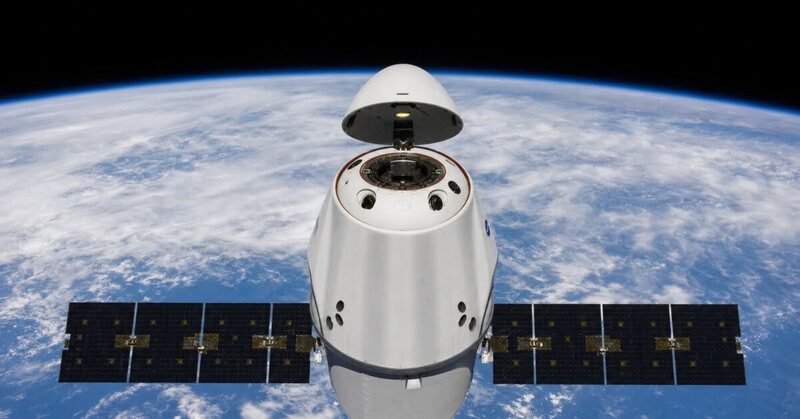
Twice in a row, weather off the Florida coast forced NASA and SpaceX to wave off the undocking of a Dragon cargo spacecraft from the International Space Station — a reminder that the journey home is as unforgiving as the journey up. What those stand-downs held at the dock was not an empty capsule waiting for a tide, but a pressurized chamber packed with biological samples, used hardware, and months of accumulated experimental results that exist nowhere else on Earth.
A Capsule Full of Answers Waiting to Land
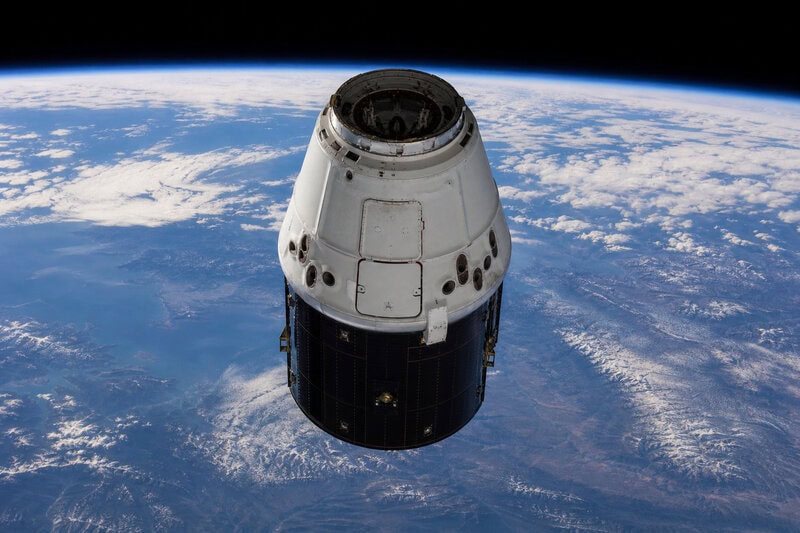
NASA’s SpaceX 33rd Commercial Resupply Services (CRS-33) mission delivered a Dragon spacecraft to the ISS carrying a full manifest of science payloads and crew supplies. The return leg — with Dragon scheduled to autonomously undock at 12:05 p.m. EST — represents the other half of that transaction: the half where the data actually comes home. NASA’s mission blog confirmed that science packing was actively ongoing aboard the station as crews prepared Dragon for departure — a time-sensitive process because some biological specimens begin to degrade within hours of being removed from station hardware.
Three questions make each CRS return worth examining closely: what exactly is packed inside that capsule, why does it have to come back at this specific moment, and what happens to that cargo once the hatch opens on a recovery ship bobbing off the Florida coast?
Why Dragon Is the Only Game in Town for Returning Science
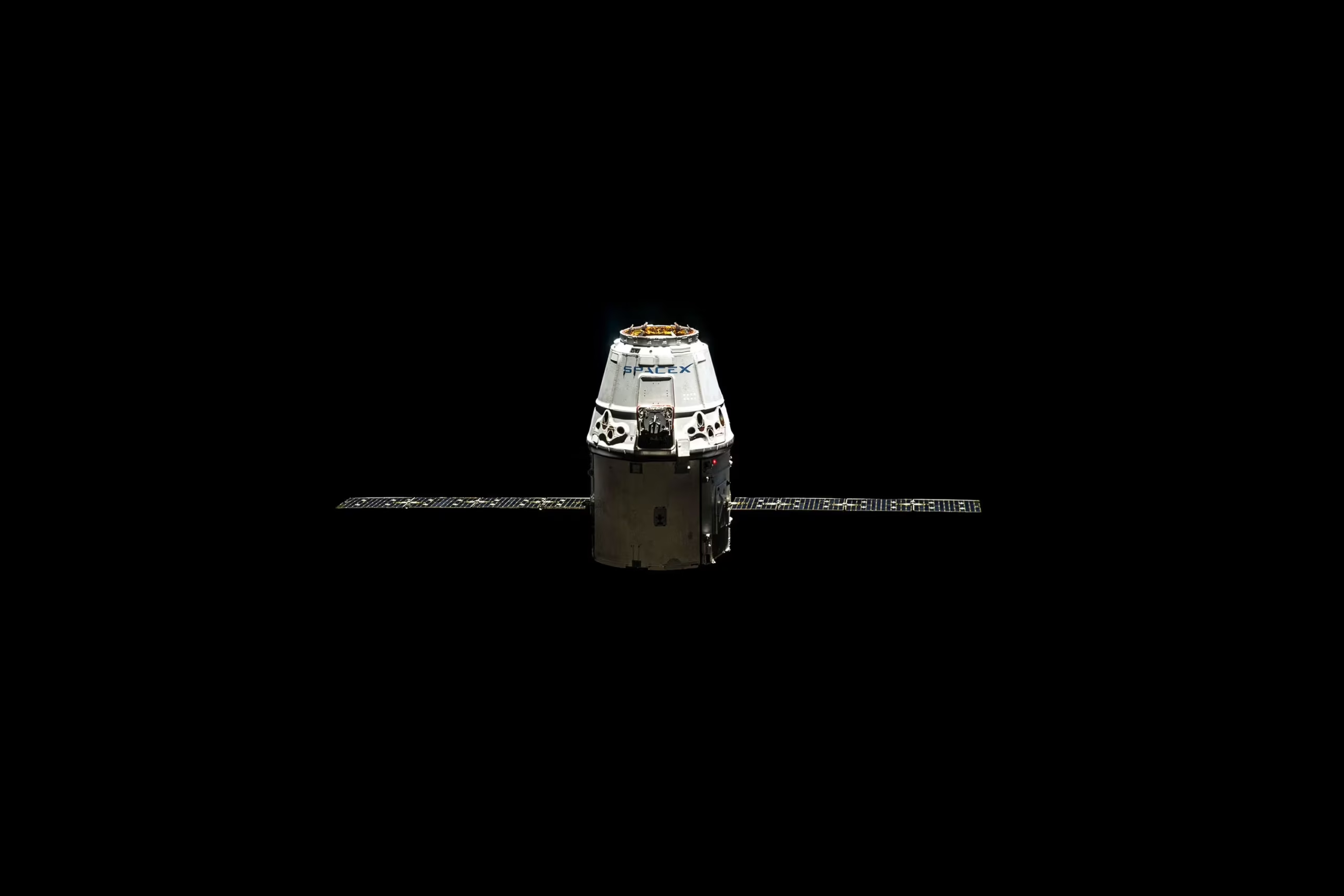
Dragon is currently the only operational spacecraft capable of returning significant cargo mass from the ISS to Earth intact. That distinction makes every undocking a one-way valve: experiments that have run their course in orbit have exactly one ride home.
The technical term for that ride is down-mass — the cargo capacity available on the return trip from the station. Dragon’s down-mass capability functions as a critical bottleneck that determines which experiments earn a seat home and which must wait for a future flight. No other vehicle in the current commercial resupply fleet offers a pressurized, temperature-controlled return path. Russian Soyuz crew vehicles return only limited personal cargo; Progress resupply ships and Northrop Grumman’s Cygnus cargo craft both reenter the atmosphere destructively, destroying whatever they carry.
The undocking itself is a largely autonomous event. Dragon separates from the station’s Harmony module without direct crew input, guided by onboard computers that manage the departure sequence. It then performs a deorbit burn at the calculated moment in its orbit, bleeds off velocity against the upper atmosphere during reentry, and descends under a series of parachutes to a splashdown in the waters off Florida — where recovery ships are pre-positioned and waiting before the capsule ever leaves the station.
The Biology That Cannot Wait: Time-Critical Samples
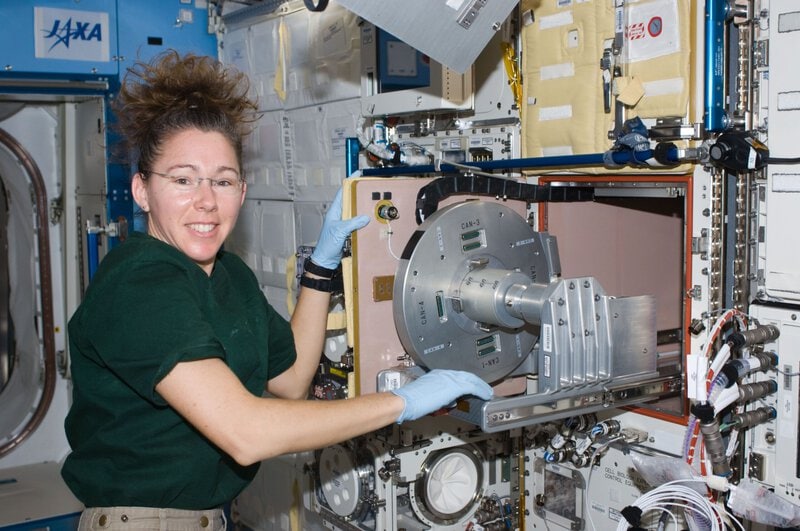
Living cell cultures, rodent tissue samples, and protein crystal growth experiments represent the most time-sensitive cargo aboard any returning Dragon. Researchers at receiving institutions must begin analysis within hours of splashdown to preserve data integrity — a constraint that shapes the entire recovery operation from the moment undocking is authorized.
The scientific rationale for sending these experiments to orbit centers on microgravity: the condition experienced in low Earth orbit where gravitational acceleration is present but objects are in continuous free-fall, producing an environment that suppresses convection and sedimentation. In that environment, cells behave differently from their Earth-based counterparts. Gene expression shifts. Proteins fold along pathways that do not reliably occur at the surface. Fluids move without the buoyancy-driven currents that normally introduce variables into laboratory experiments.
NASA’s Human Research Program has established through repeated study that microgravity measurably affects human cell biology — a finding that sits within the broader scientific consensus on spaceflight physiology. What remains an active and unsettled area of investigation is precisely how those cellular changes might translate into therapeutic applications for diseases on Earth. The ISS is producing data; the clinical implications of that data are still being worked out through peer review and follow-on research. No broad claims of medical breakthroughs should be read into the return of any single Dragon manifest.
Materials and Hardware: Physical Evidence of Six Months in Space
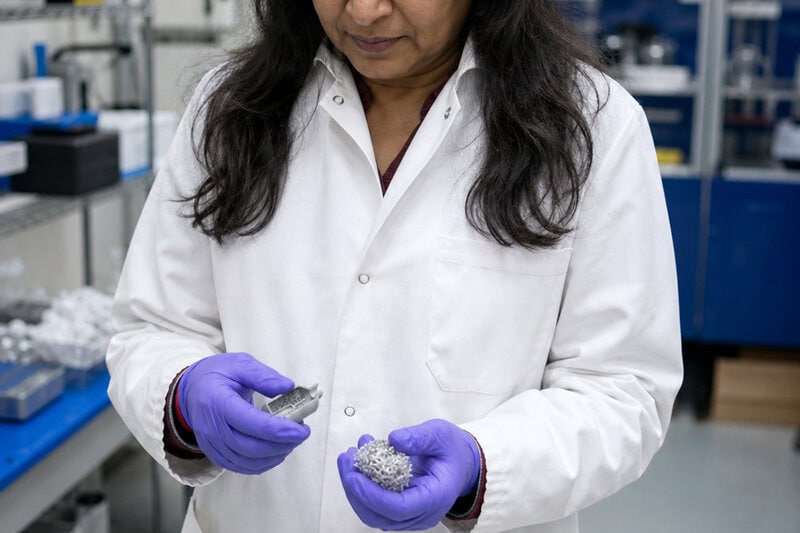
Not everything coming home is biological. Dragon also returns material science coupons — small, standardized test pieces exposed to the space environment over the duration of the mission — along with fluid physics experiment components and used hardware whose physical condition encodes the results of months of operation in ways that cannot be replicated by ground simulation alone.
Passive dosimeters embedded in experiment racks and worn by crew members return with radiation exposure records that provide ground-truth measurements for modeling how long-duration spaceflight affects both human tissue and spacecraft structures. These measurements are foundational to planning future missions beyond low Earth orbit, where the absence of Earth’s magnetic shielding makes radiation a significantly more demanding engineering and medical problem.
Some hardware returns for refurbishment and reuse, closing an economic loop that NASA identifies as central to the sustainability of its commercial resupply strategy. The ISS National Lab, managed by the Center for the Advancement of Science in Space (CASIS), coordinates a substantial portion of the non-NASA research returning on Dragon — encompassing pharmaceutical, agricultural, and materials science investigations funded by universities, startups, and established industry partners.
From Splashdown to Lab Bench: The Chain of Custody

Recovery ships position off the Florida coast before splashdown; trained teams board Dragon within minutes to begin retrieving temperature-controlled cargo carriers. The most time-critical biological samples are transferred to helicopters for immediate transport to nearby processing facilities, compressing the interval between ocean recovery and laboratory analysis to the shortest window operationally achievable.
The hardware that makes this feasible is collectively called cold stowage — specialized refrigerated and frozen storage units integrated into Dragon’s pressurized interior, engineered to maintain experiment-specific thermal conditions from the moment of undocking through the mechanical violence of splashdown and into the post-recovery handoff. Units within the cold stowage ecosystem maintain temperatures ranging from −80°C for cryopreserved biological samples to +37°C for cell cultures that must remain at body temperature throughout the return journey. Keeping that thermal chain unbroken through parachute deployment, water impact, and open-ocean recovery is itself an engineering accomplishment that directly underpins the scientific value of every sample aboard.
Researchers at universities and pharmaceutical companies receiving samples are often on standby around the clock, because splashdown timing is dictated by orbital mechanics and recovery weather windows — not laboratory schedules. A team waiting for protein crystal samples may receive a call at 3 a.m. and be processing material within the hour.
What the Weather Delay Actually Costs Science
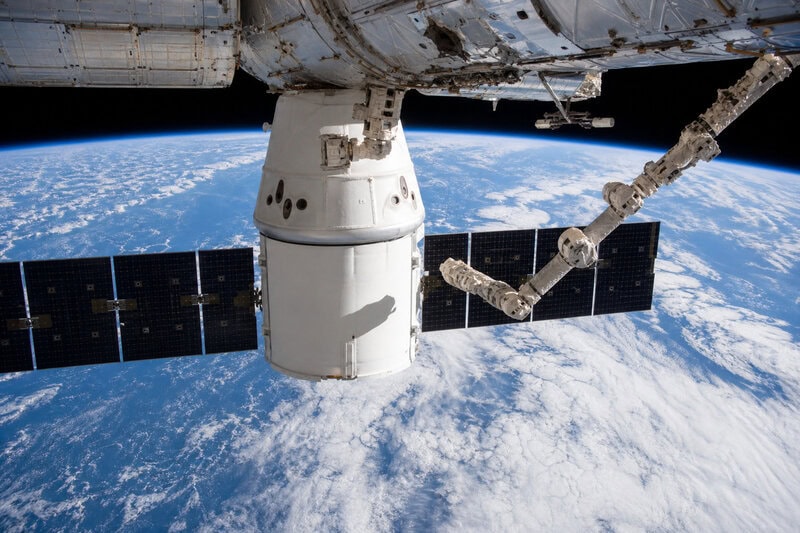
The consecutive stand-downs on Wednesday and then Thursday were operationally uncomplicated — Dragon remained safely docked and the crew continued normal station operations. But they expose a real tension embedded in every cargo return: the conflict between mission scheduling flexibility and experiment time-sensitivity.
For experiments with defined end-dates — cell cultures on a fixed growth cycle, for instance — each additional day docked represents a day of unplanned data drift. Mission managers must weigh that scientific cost against the safety imperative of favorable recovery conditions. Attempting a recovery in rough seas or poor visibility creates direct hazards for recovery personnel and risks physical damage to irreplaceable samples. NASA’s decision to stand down on both occasions reflects established risk management protocol, not operational failure.
This tradeoff is not unique to CRS-33. Weather delays have affected multiple prior Dragon return operations, and the recurring pattern informs ongoing design discussions about future cargo vehicles — conversations that include questions about expanded down-mass capacity, faster recovery profiles, and landing sites that offer more favorable weather windows across a broader range of seasons.
Why Returning Science Matters Beyond the Headlines
Research returned on Dragon missions has contributed to studies on bone density loss, muscle atrophy, and immune system suppression — conditions with direct physiological parallels to aging and long-term bed rest in terrestrial patients, according to work supported by NASA’s Human Research Program. The ISS functions, in this framing, as a laboratory for accelerated human biology: the changes that spaceflight induces over months mirror changes that disease and aging induce over years, allowing researchers to study those processes on a compressed timeline.
Drug crystallization experiments conducted in microgravity have produced larger and more structurally uniform protein crystals than Earth-based methods typically yield — a finding with potential implications for structure-based drug design. It is important to note, however, that this remains an area of active investigation. No therapies have yet reached regulatory approval based solely on ISS crystallization work, and the pathway from improved crystal structure to an approved medicine involves many subsequent development stages, including formulation, preclinical testing, and clinical trials.
Each CRS return flight is effectively a data delivery at scale: the ISS serves as the experiment platform, Dragon as the courier, and Earth-based laboratories as the place where raw biological and physical results become publishable findings and, eventually, real-world applications. NASA’s live coverage of the CRS-33 undocking reflects how routine — and how irreplaceable — that courier role has become in the two decades since continuous human presence aboard the station began.
With NASA’s commercial resupply strategy extending through the late 2020s and the agency planning for an eventual transition to commercial space stations, the logistics and science-return model that Dragon has pioneered will shape how humanity conducts off-Earth research for the next generation. The weather windows will keep imposing their delays. The science inside the capsule will keep being worth the wait.