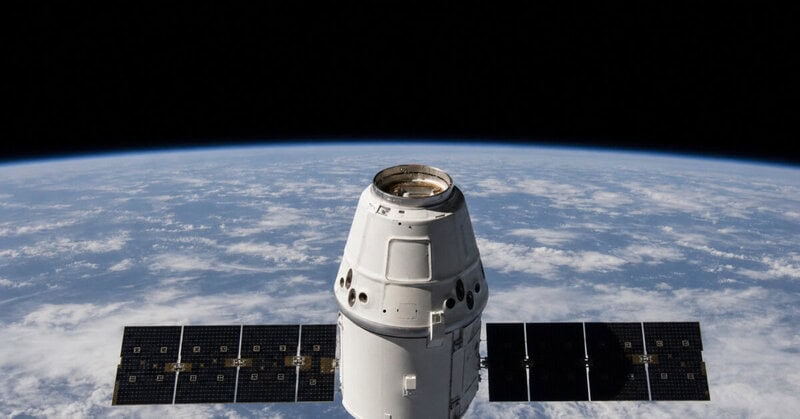
On Wednesday, November 18, a spacecraft traveling at roughly 17,500 miles per hour above Earth was held in place — not by any mechanical failure or systems anomaly, but by wave height and wind speed in an ocean hundreds of miles below. NASA and SpaceX stood down from SpaceX Dragon’s scheduled undocking from the International Space Station after a weather review at 12 p.m. EST found conditions at the splashdown zone unacceptable. It is a counterintuitive fact that exposes just how tightly a crewed return mission is choreographed from the moment a hatch closes to the moment a capsule bobs in the ocean.
When the Ocean Grounds a Spacecraft in Orbit
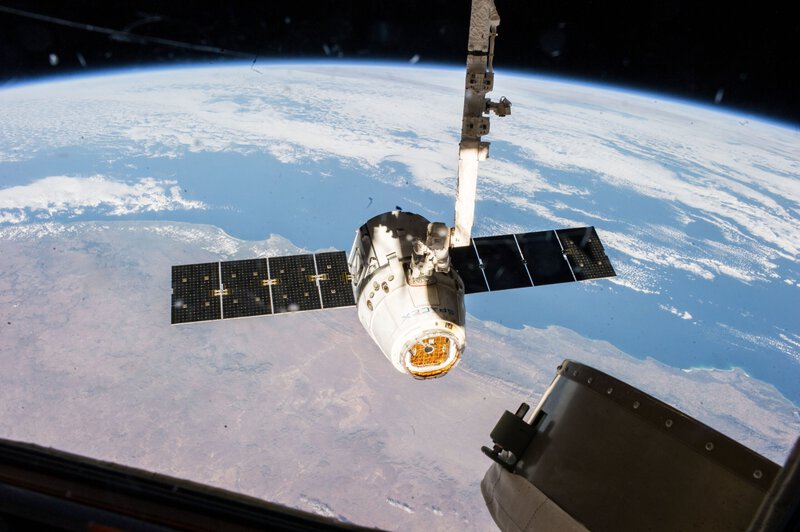
The Wednesday stand-down pushed the next available undocking opportunity to 12:05 p.m. Thursday — a figure precise to the minute, for reasons that have everything to do with orbital geometry. That Thursday window was itself subsequently scrubbed for the same reason: weather at the recovery zone again failed to meet the required threshold, with NASA’s Johnson Space Center confirming a further stand-down following a 12 p.m. weather review. Two consecutive opportunities, two identical verdicts — delivered not from orbit, but from the sea.
The cascade is a clean illustration of a truth orbital engineers repeat constantly: undocking is not a single event but the first domino in a precisely timed chain that ends with a capsule floating in open water, and every link in that chain must be acceptable before the first one falls. Understanding why requires a brief tour of the orbital mechanics behind every SpaceX Dragon undocking.
What ‘Undocking’ Actually Means in Orbital Mechanics
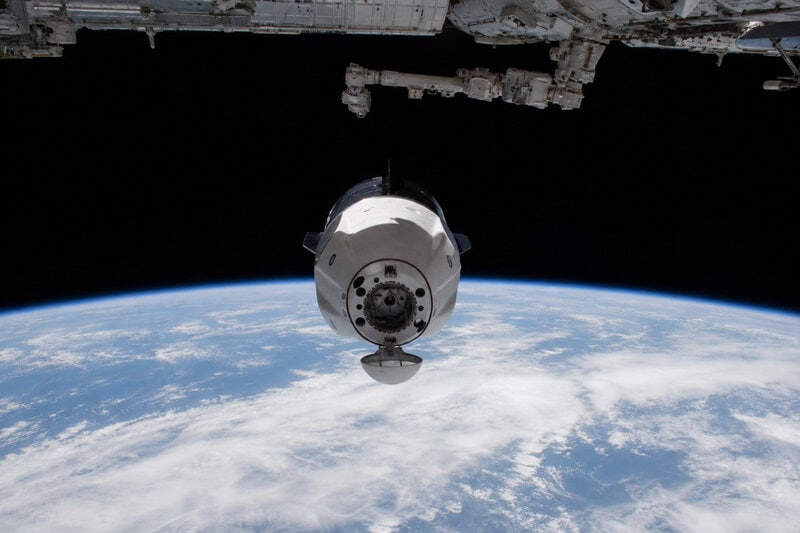
Undocking sounds simple — two spacecraft part ways. The physical reality is more subtle. At the moment of release from the International Docking Adapter, Dragon and the ISS are traveling in essentially identical orbits. Dragon is not yet going home. Both vehicles are still following the same path around Earth at the same speed, which means that without further action, they would remain in uncomfortably close proximity indefinitely.
The undocking sequence begins with a controlled mechanical release, followed by a small push from internal springs that imparts a separation velocity of roughly 0.1 meters per second — enough to open a growing gap without triggering any collision risk. That gap, however, is not self-sustaining. Because both vehicles initially share the same orbital trajectory, Dragon must next perform a separation burn: a short thruster firing using its Draco engines that lowers Dragon’s orbit very slightly. In orbital mechanics, a lower orbit produces a slightly faster orbital period, so Dragon gradually drifts ahead of the station along the orbital track, putting safe distance between the two vehicles. Without this burn, the natural perturbations of low Earth orbit — small gravitational variations, atmospheric drag — could allow the vehicles to drift unpredictably relative to each other, creating a re-contact hazard.
This separation burn is entirely distinct from the deorbit burn that follows hours later. Its sole purpose is geometry: establishing a safe corridor of distance before any commitment to reentry is made. The ISS itself also performs a keep-out zone maneuver — a small reboost or attitude adjustment — to ensure the station remains clear of Dragon’s departure corridor while that distance is being established.
The Deorbit Burn: Committing to a Specific Patch of Ocean
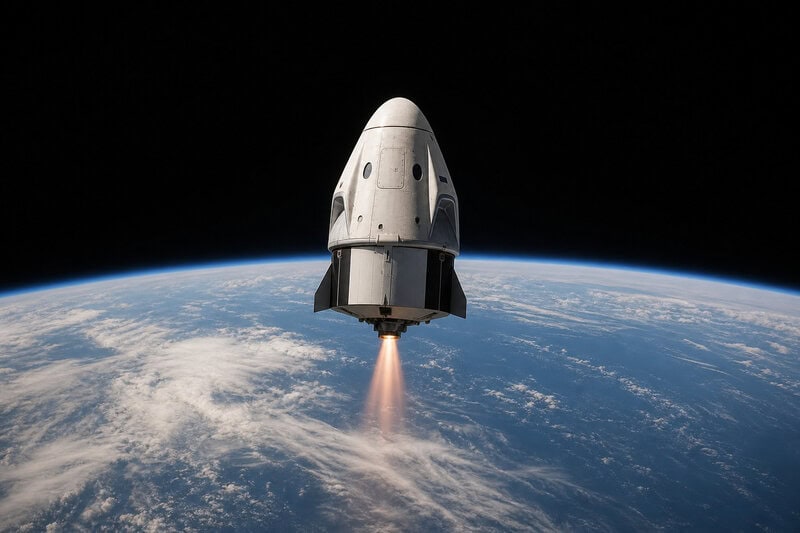
Roughly five to six hours after undocking, Dragon fires its Draco thrusters in a deorbit burn lasting approximately 12 minutes. This reduces the capsule’s velocity by around 300 miles per hour — a small fraction of its orbital speed, but precisely enough to lower the perigee, the lowest point of the orbit, into the upper atmosphere. From that moment, reentry is inevitable. The spacecraft is committed.
What makes the timing of this burn so critical is Earth’s rotation. The planet turns continuously beneath Dragon’s orbital path, which means the geographic point directly below any given orbital pass changes constantly. The window for a deorbit burn that will deliver Dragon to a specific recovery zone — typically off the coast of Florida or California — is narrow, often less than 30 minutes wide on any given pass. Miss that window, and the next opportunity is a full orbital period later: roughly 90 minutes.
NASA’s Johnson Space Center and SpaceX Mission Control jointly calculate the deorbit burn parameters for each return. An error of just one second in burn duration can shift the splashdown point by several miles. This is why Thursday’s undocking time was listed at the precise figure of 12:05 p.m. — not an arbitrary slot chosen for convenience, but the moment whose downstream orbital geometry would place Dragon over the correct patch of ocean at the right time for a safe splashdown.
Why Earth’s Weather Commands a Spacecraft in Orbit
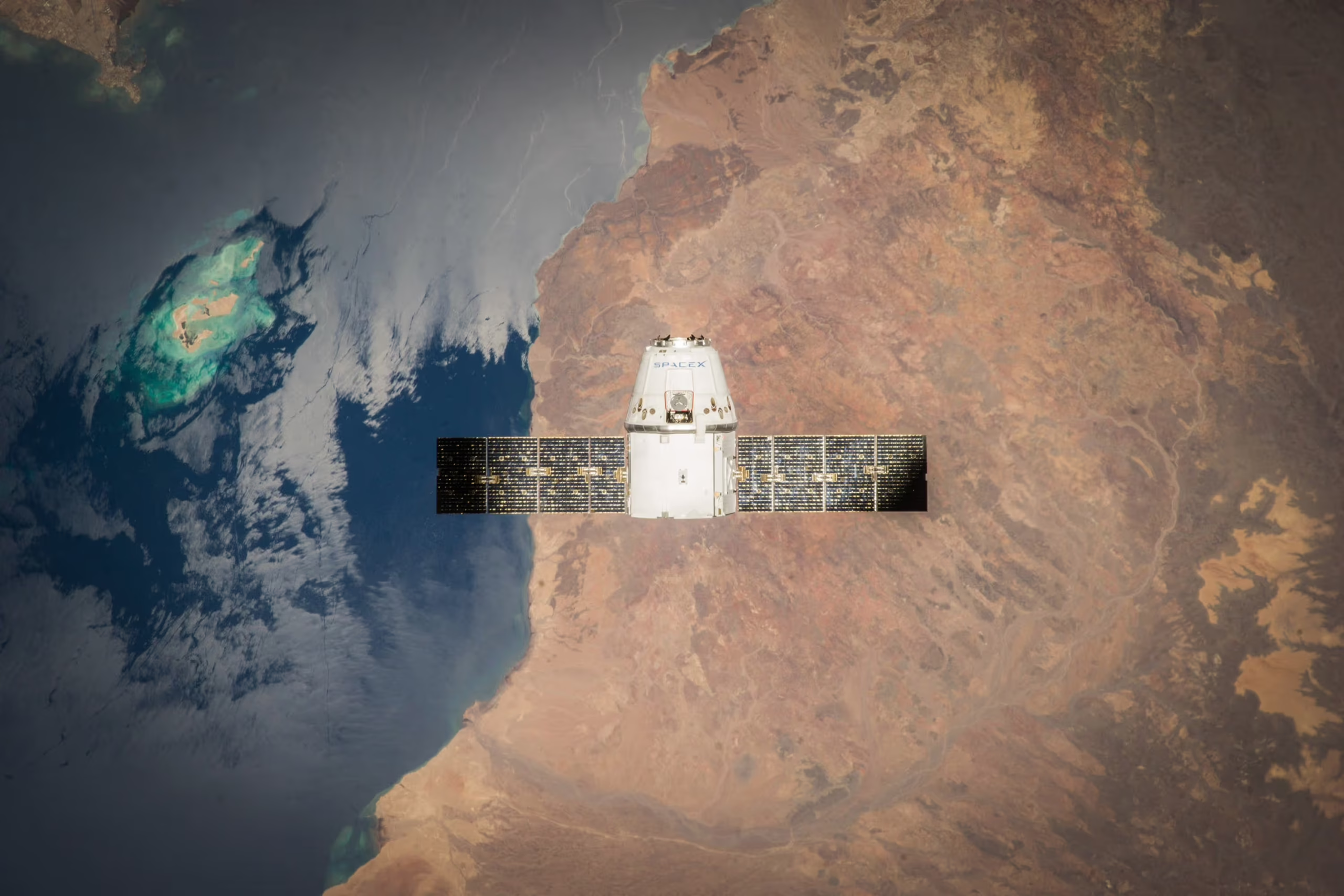
SpaceX and NASA establish formal go/no-go weather criteria for the splashdown zone that typically include significant wave height limits, wind speed thresholds, minimum visibility, and lightning risk within a defined radius around the recovery area. These constraints exist not to protect the spacecraft — Dragon’s heat shield handles reentry heat that vastly exceeds any ocean swell — but to protect the recovery vessels, the divers, and ultimately the crew who must be extracted from the capsule after water impact.
The meteorological challenge is compounded by timing. Because the deorbit burn locks in the splashdown location roughly an hour before touchdown, forecasters cannot simply assess conditions at the moment of their go/no-go call. They must project conditions one to two hours forward with high confidence, using predictive marine weather models to describe what the sea state will look like when the capsule actually arrives. SpaceX’s recovery fleet sets operational thresholds based on the practical limits of safe small-boat and diver operations around a floating capsule in open ocean.
The 12 p.m. review times reported for both the Wednesday and Thursday stand-downs were the final decision points before each respective undocking window. The International Space Station program confirmed the stand-downs via official channels, emphasizing in each case that the spacecraft and crew were ready — the weather was not.
The Departure Sequence: What Happens Before the First Domino Falls
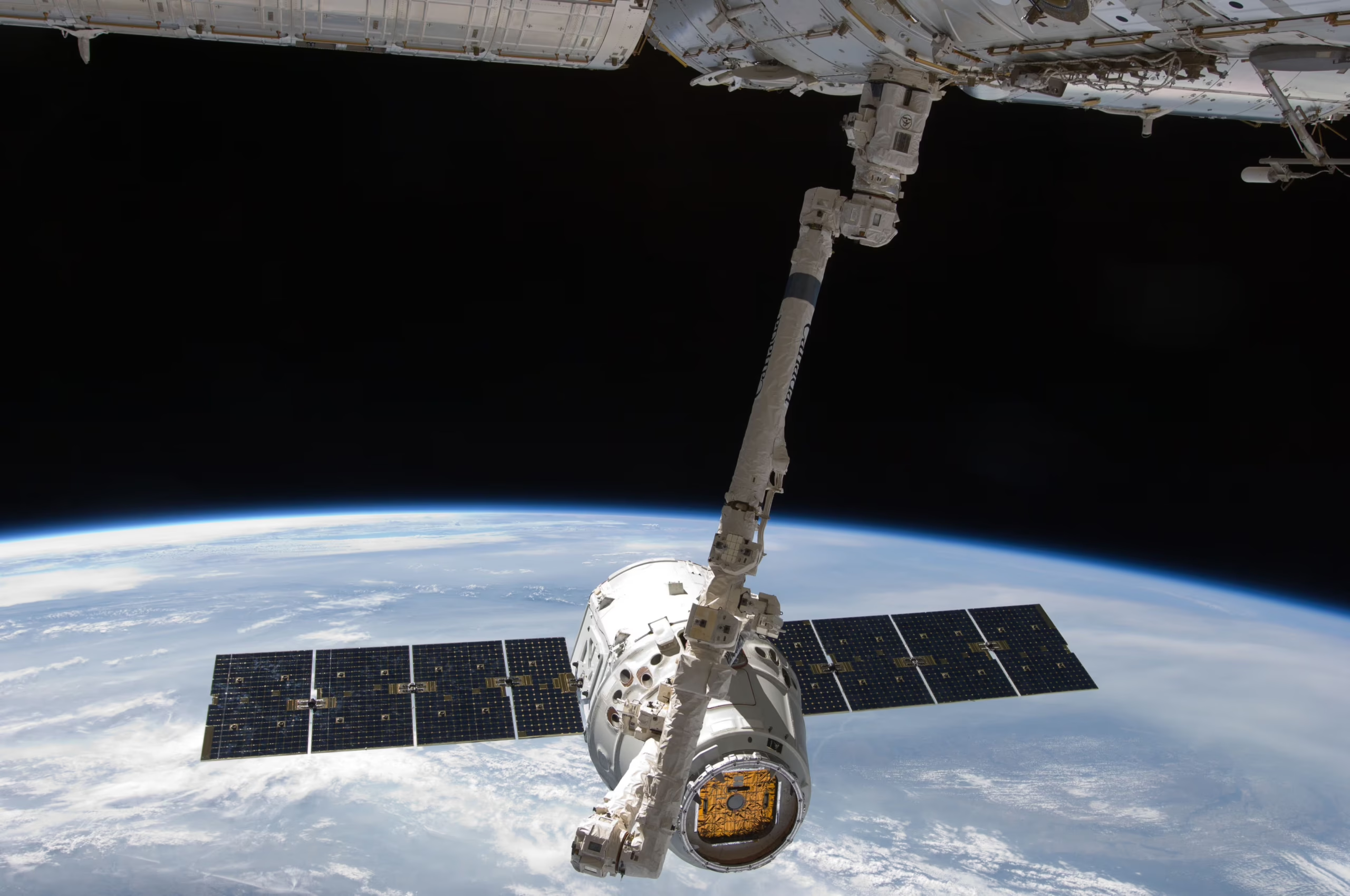
The hours leading up to any undocking follow a structured sequence. The ISS crew closes and leak-checks the hatch between Dragon and the station. The docking adapter undergoes vestibule depressurization — the air between the two vehicles is vented — confirming a clean seal before mechanical hooks are released. Dragon’s crew performs a thorough vehicle checkout covering Draco thruster functionality, life-support status, and communication links with SpaceX Mission Control. This checkout is a formal prerequisite for the joint go/no-go poll conducted by NASA and SpaceX flight directors.
After spring-driven separation, Dragon executes its separation burn autonomously under ground monitoring. Astronauts aboard can intervene manually, but SpaceX’s flight software is designed to manage the maneuver without crew input. The crew’s role at this stage is oversight — ready to act, but not required to.
Critically, crew members aboard the ISS during a stand-down face no additional risk. The station is a self-sufficient platform, and Dragon can remain docked well beyond its nominal mission duration, drawing power and life support from the station rather than its own systems. A stand-down is a schedule adjustment, not an emergency.
What These Stand-Downs Reveal About Safety Culture
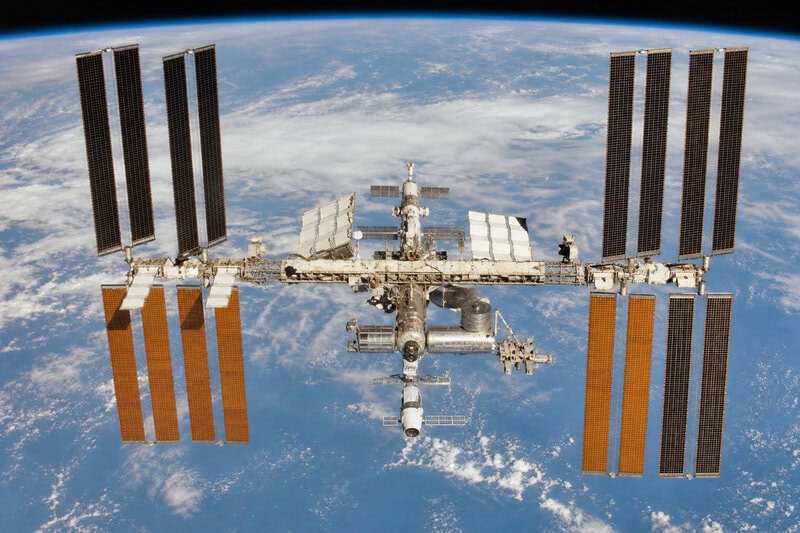
The fact that two consecutive undocking opportunities were scrubbed for weather — and not for any spacecraft anomaly — reflects a deliberate design philosophy built into the ISS program’s operational architecture. Return missions are planned with schedule margin precisely because orbital mechanics offers only narrow daily windows, and meteorological reality guarantees that some of those windows will be closed by conditions far below.
NASA’s Commercial Crew Program requires that all return flights meet formal weather constraints as a mission rule. No flight director has the authority to waive the meteorological go/no-go criteria. That constraint is a mission-critical safety requirement, not a recommendation that can be traded against schedule pressure.
The serial stand-downs also demonstrate something NASA and SpaceX communications consistently emphasize: standing down is a routine, expected part of spaceflight operations, not a failure. Every crewed mission to the ISS is planned around the statistical likelihood that at least one return opportunity will be waved off. The system is designed to absorb that outcome without consequence.
Why This Choreography Will Only Get More Complex
As NASA advances Artemis lunar missions and plans for eventual deep-space transit vehicles, the orbital mechanics of departure will become harder, not easier. Lunar return trajectories involve reentry speeds nearly twice those of ISS returns, compressing acceptable error margins further and introducing entirely new recovery geometry challenges. The operational experience SpaceX has accumulated through multiple crewed Dragon return missions under the Commercial Crew Program — including the procedural lessons embedded in stand-downs like those of November 2026 — informs how future human spacecraft will refine their own departure and recovery protocols.
The Wednesday and Thursday stand-downs from the November Dragon undocking are a small but instructive episode. They make visible the invisible architecture of rules, physics, and weather that governs every human departure from low Earth orbit. The spacecraft was ready. The crew was ready. The orbital mechanics were solved. But the ocean was not cooperating — and in human spaceflight, the ocean always gets a vote.