
Somewhere beneath the cold surface of Lake Michigan, a lake sturgeon may be gliding through the same waters its ancestors navigated before the Pilgrims ever set foot on Plymouth Rock. New research from Michigan State University suggests that some lake sturgeon may live between 200 and 400 years — far beyond what scientists previously believed — and if the upper range of those estimates holds up to further scrutiny, these ancient fish would rank as the longest-lived vertebrates ever documented in North America.
What the Science Previously Said — and Why the Numbers Just Changed
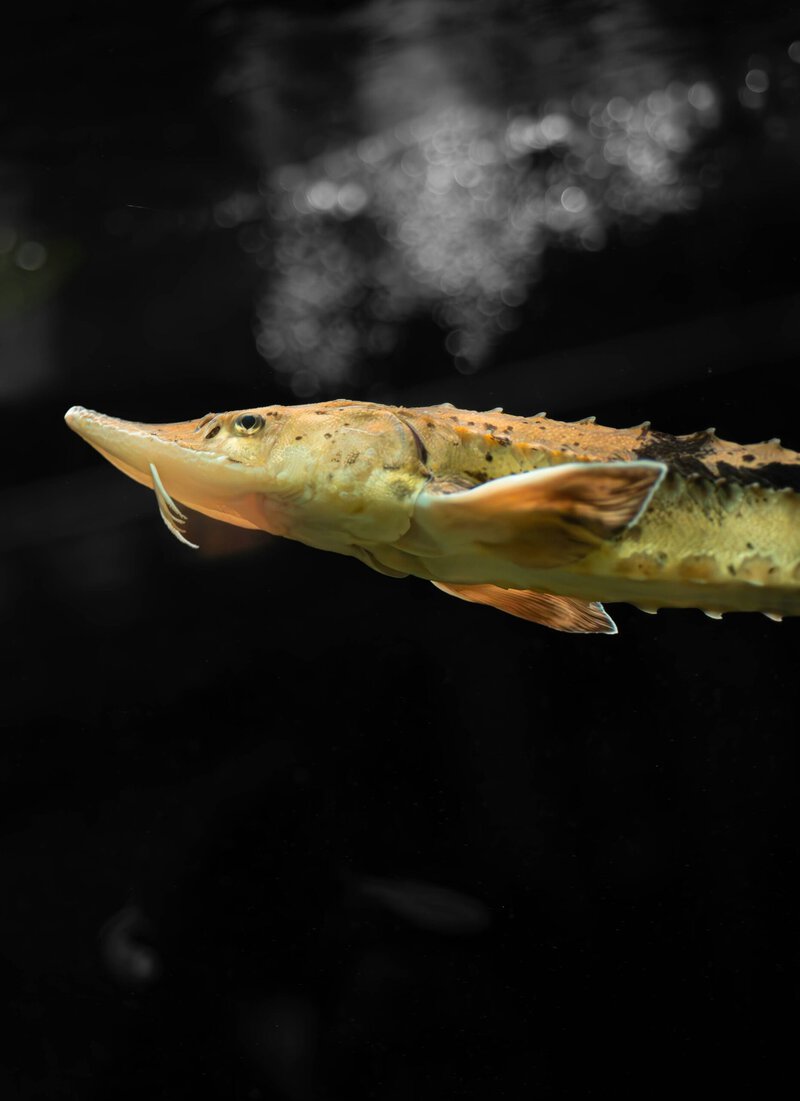
Before this research emerged, the scientific consensus on lake sturgeon lifespan placed most individuals in a range of 50 to 150 years. That alone made lake sturgeon (Acipenser fulvescens) among the longest-lived freshwater fish on the continent — a distinction that was already remarkable. The new MSU findings, detailed by MSU Today, suggest that figure may be a dramatic underestimate, with some individuals routinely surpassing 200 years and the upper plausible bound now extending to 400 years.
It is important to distinguish what is established from what is emerging. The 50-to-150-year range is grounded in decades of peer-reviewed work. The 200-to-400-year range represents a significant upward revision that scientists treat as a compelling hypothesis — one that demands independent replication before it can be accepted as consensus. Researchers are explicit about that uncertainty, and readers should understand the new figures as a scientific frontier, not a settled textbook fact.
The most striking longevity estimates come specifically from Great Lakes populations. Michigan’s cold, deep lake habitats appear to be particularly favorable for extreme aging, a pattern consistent with what biologists understand about how environment shapes lifespan in cold-water fish.
How Scientists Count a Fish’s Age
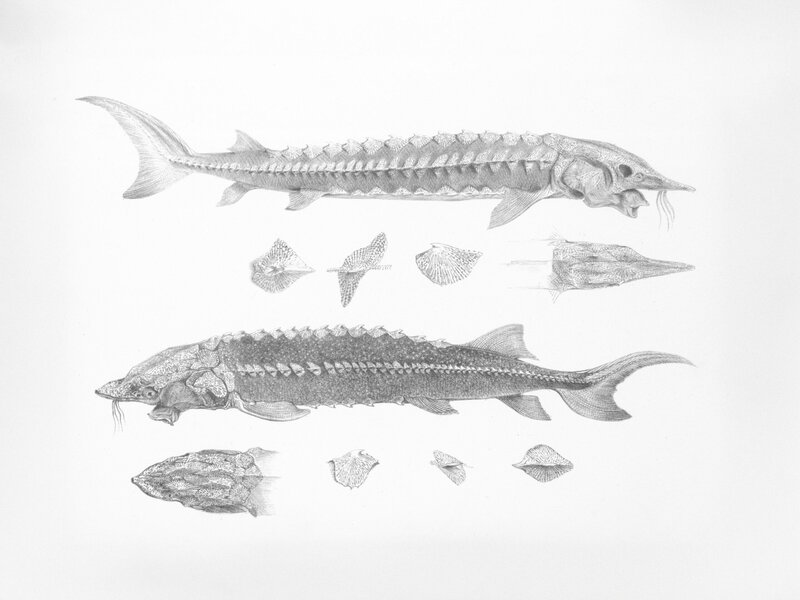
Estimating the age of a sturgeon requires getting inside the fish’s own biology. The core technique is analogous to reading tree rings: researchers examine cross-sections of bony structures called fin rays, looking for annuli (singular: annulus) — the annual growth bands that form in response to seasonal changes in growth rate. Under magnification, each band typically represents one year of life, allowing scientists to reconstruct an individual fish’s age without ever knowing when it was born.
The MSU study applied newer, more precise analytical techniques to re-examine age estimates, potentially correcting for known biases in earlier ring-counting methods. In slow-growing, long-lived species, traditional approaches have been shown to systematically undercount annuli — meaning older fish may have been consistently assigned younger ages than they actually were. Refining that methodology is what opened the door to estimates reaching into the centuries.
The challenge, however, grows with the fish’s age. Distinguishing true annuli from false rings — bands caused by stress events, seasonal temperature swings, or spawning activity rather than actual year boundaries — is one of the central technical difficulties in the field. As Bridge Michigan reports, the farther estimates push beyond 200 years, the wider the margin of uncertainty becomes — a limitation the MSU researchers explicitly acknowledge. Age estimation in very old fish remains an imprecise science, and intellectual honesty requires holding the 400-year figure with appropriate tentativeness.
The Biology Behind Extraordinary Longevity
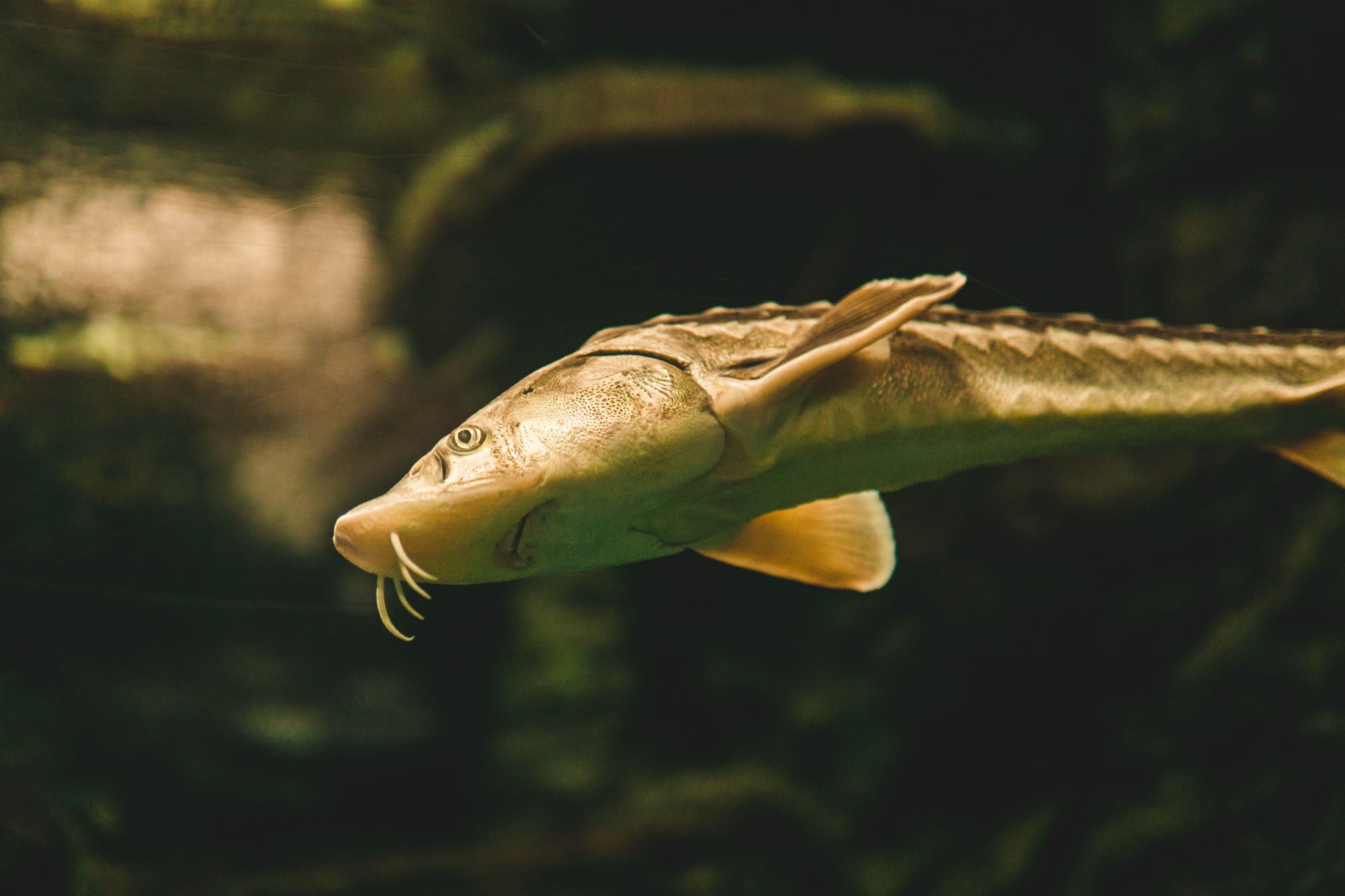
Understanding why lake sturgeon age so slowly begins with a basic fact of physiology: lake sturgeon are cold-water ectotherms, meaning their body temperature tracks the temperature of the surrounding water rather than being internally regulated as in mammals and birds. Cold water slows everything — metabolism, cell division, and the gradual accumulation of cellular damage that scientists associate with the aging process. A sturgeon living in the deep cold of Lake Michigan is, in a real biological sense, running its internal clock at a far slower pace than a warm-blooded animal of similar size.
Several life-history traits compound this effect. Female lake sturgeon typically reach sexual maturity between 20 and 26 years of age, and once mature, they reproduce only every 4 to 9 years. They also grow slowly throughout their entire lives, never reaching a fixed adult size after which growth stops. This combination — late maturity, infrequent reproduction, and lifelong growth — is precisely the pattern that evolutionary biologists associate with extended maximum lifespan across the animal kingdom.
Across species, slow metabolism, late maturity, and infrequent reproduction tend to cluster together in animals with the longest lifespans; lake sturgeon exemplify this pattern to an extreme degree. What scientists do not yet fully understand is the specific cellular or genetic mechanism that would set the upper ceiling of sturgeon lifespan at 400 years rather than 250 or 500. That question remains an active area of research, and the answer — when it comes — may have implications well beyond fisheries biology.
Putting 400 Years in Context: The Oldest Freshwater Vertebrate in North America?
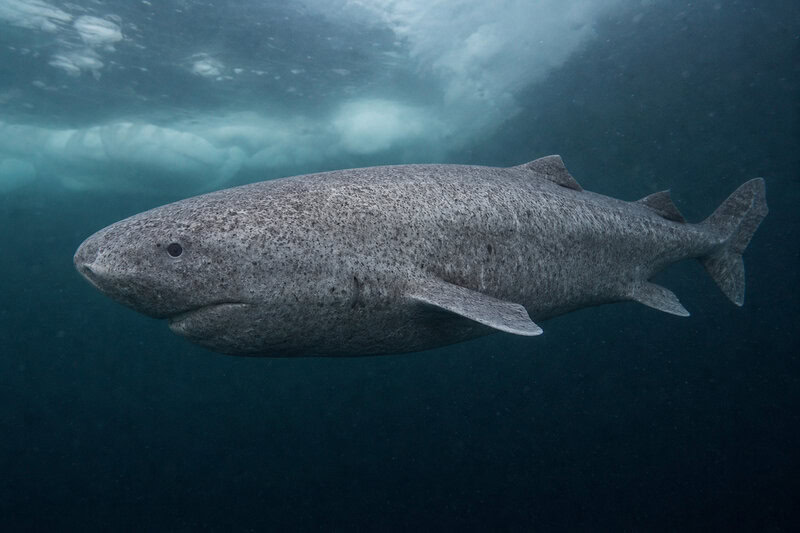
To appreciate what a 400-year-old lake sturgeon would mean, it helps to compare that figure to other extreme lifespans in the animal kingdom. The Greenland shark (Somniosus microcephalus) currently holds the record as the longest-lived vertebrate — a vertebrate being any animal with a spinal column, a category that includes fish, amphibians, reptiles, birds, and mammals — with age estimates ranging from roughly 272 to 500 years. But the Greenland shark is a marine species inhabiting the deep North Atlantic. If the 400-year estimate for lake sturgeon is confirmed, these fish would become the record-holders among North American freshwater vertebrates, a scientifically meaningful distinction rather than a rhetorical one.
Other long-lived organisms provide useful scale. Ocean quahog clams have been documented living to approximately 500 years, and rougheye rockfish can reach around 200 years. Lake sturgeon, if the new data holds, would occupy elite biological company. Even at the lower bound of the new estimate — 200 years — a lake sturgeon would outlive every land mammal native to North America, including humans, by a wide margin.
As the Detroit Free Press notes in its coverage of the finding, the possibility of a 400-year-old fish in a Great Lake is not a casual curiosity — it reframes what these animals represent ecologically and scientifically.
Why This Changes the Conservation Calculus
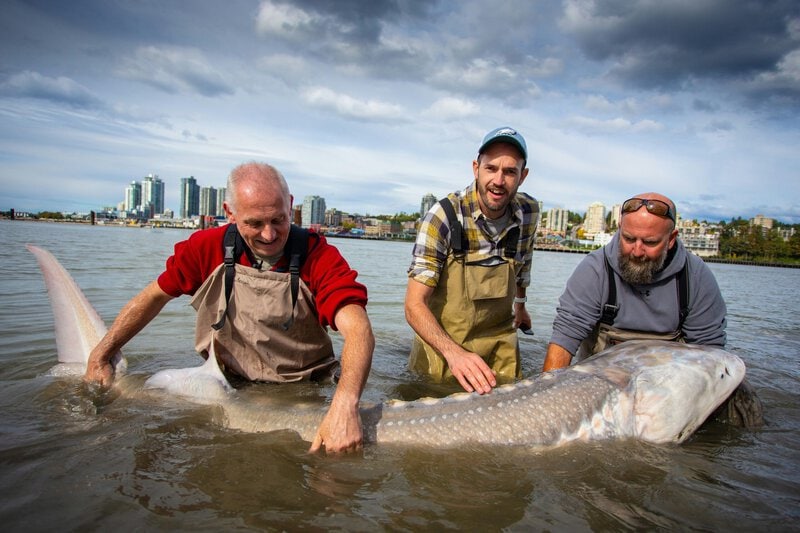
Lake sturgeon are listed as a threatened species in Michigan and are protected under both state and federal law. That status reflects a brutal history: by the early 20th century, overfishing and widespread habitat destruction had pushed populations to a fraction of their historical abundance. Recovery efforts have been underway for decades, but progress is slow — and the new longevity research suggests management may need to be even more patient and protective than current plans assume.
Population recovery models are built on assumptions about how fast a species matures, how often it reproduces, and how long individuals live. If those baseline numbers were significantly wrong — if sturgeon routinely live not 100 years but 300 — then projections about how quickly a depleted population can rebuild may need to be substantially recalibrated. A species that takes more than two decades to produce its first offspring and then reproduces only a handful of times per century is extraordinarily sensitive to even modest levels of ongoing mortality.
That sensitivity applies directly to poaching and bycatch — the accidental capture of sturgeon in gear set for other species. A fish that may need 20 or more years before it contributes its first offspring to the next generation cannot absorb losses that would be manageable for shorter-lived species. ABC 45’s reporting on the study highlights how the findings amplify existing concerns among Michigan wildlife managers about the species’ continued vulnerability.
Beyond fisheries management, understanding the biology of extreme longevity in lake sturgeon may offer broader scientific dividends. Research into how these fish resist or delay the cellular damage associated with aging could inform studies of age-related processes across many species — potentially including insights relevant to human aging biology, though that application remains speculative and distant.
Open Questions and the Road to Consensus
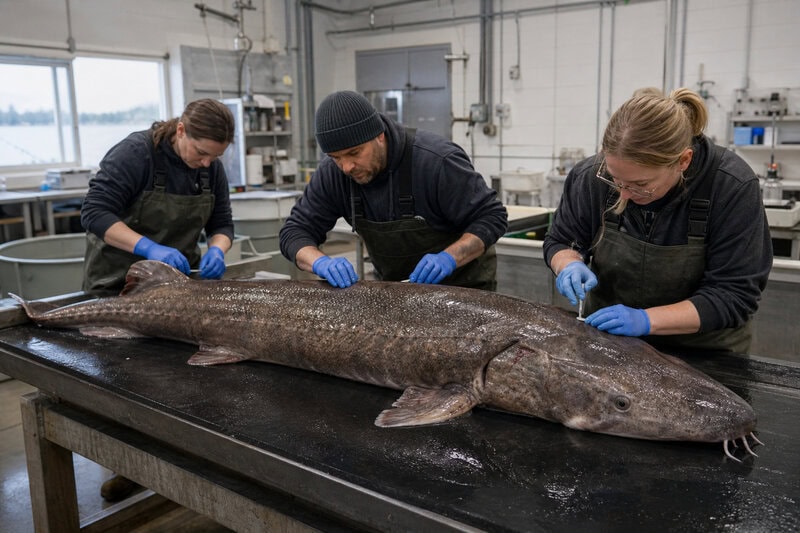
The MSU findings are significant, but the scientific process requires more than a single study before a result of this magnitude becomes settled knowledge. The primary next step is independent replication: additional samples from multiple Great Lakes populations, analyzed by independent research teams using comparable methods, would be needed before the 400-year figure moves from compelling hypothesis to established fact.
Researchers are also exploring whether radiometric dating techniques — which measure the decay of naturally occurring isotopes in fish tissue and do not rely on ring-counting at all — could provide independent age verification for individual sturgeon. This approach has already been used to produce age estimates for Greenland sharks, and applying it to freshwater sturgeon populations could either corroborate or constrain the current estimates in ways that fin-ray analysis alone cannot.
The conservation question that emerges from this research is worth stating plainly: if some of the sturgeon swimming in Lake Michigan today are older than the United States itself, the moral and practical urgency of protecting both the fish and the cold, clean habitat they require becomes considerably harder to dismiss. MSU’s own summary of the research frames the findings not as a curiosity but as a call to renewed attention.
Even at the most conservative reading of the new evidence — setting aside the 400-year upper bound and focusing on the well-supported finding that sturgeon routinely live beyond 200 years — lake sturgeon stand as among the most biologically extraordinary animals on the North American continent. The urgency of their conservation has not diminished with this research. If anything, it has grown.