
A frog species lived undetected in New York City’s wetlands for an unknown length of time before scientists formally identified it — hiding in plain sight on Staten Island because it looked nearly identical to already-catalogued leopard frog species. Its quiet anonymity is not an anomaly. It is an instruction manual for how much life remains undiscovered in one of the most watched, photographed, and studied cities on Earth.
A Frog Nobody Noticed for Decades
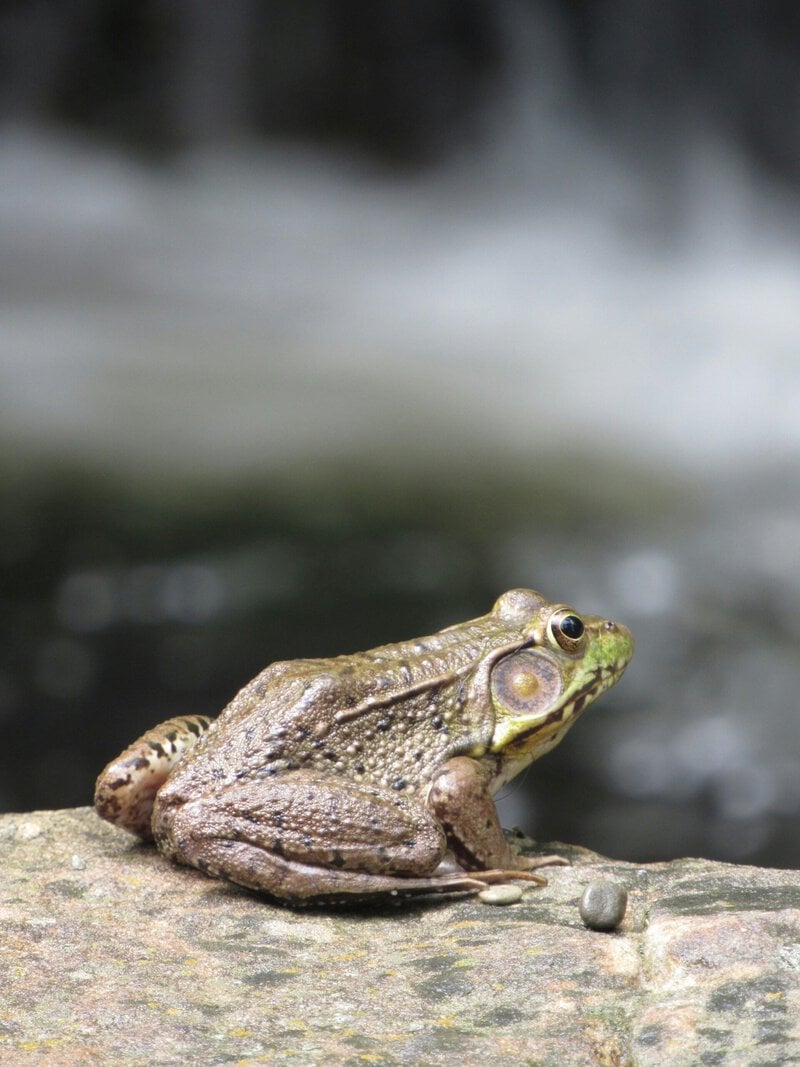
The leopard frog identified on Staten Island escaped formal classification for a remarkably simple reason: it looks almost exactly like its close relatives. Without acoustic or genetic analysis, field identification is essentially impossible. Scientists ultimately distinguished the species through its mating call — a short, repetitive croak that differs measurably from its relatives — and confirmed the separation through DNA evidence. Visual similarity had rendered it invisible to science for years. The discovery, documented by researchers and reported by the American Association for the Advancement of Science, stands as one of the more significant examples of a new species formally identified in an explicitly urban context in the United States.
That long anonymity is not unusual in the broader landscape of taxonomy — the scientific discipline responsible for classifying and naming organisms. Taxonomy is chronically underfunded globally, and the specialists capable of identifying new species represent a shrinking workforce. Many animals remain unnamed not because they are rare or geographically remote, but simply for lack of expert attention. The Staten Island frog carried the additional disadvantage of resembling species that researchers were already confident they understood, which reduced the likelihood that anyone would look at it twice.
The discovery also leaves an important question unanswered: how many individuals of this species exist, and whether the population is stable, declining, or under active pressure from habitat loss across the New York metropolitan area. Without baseline population data established at the time of discovery, conservation response is necessarily reactive. That uncertainty is itself a consequence of how long the species went unrecognized.
As Grist reported on the Staten Island find, the discovery challenged a persistent assumption — that new species belong to distant rainforests and unexplored ocean trenches, not to the marshes of a borough accessible by ferry from Lower Manhattan. The frog is a useful corrective to that assumption, and it is almost certainly not alone.
Why Cities Are Surprisingly Fertile Ground for New Discoveries
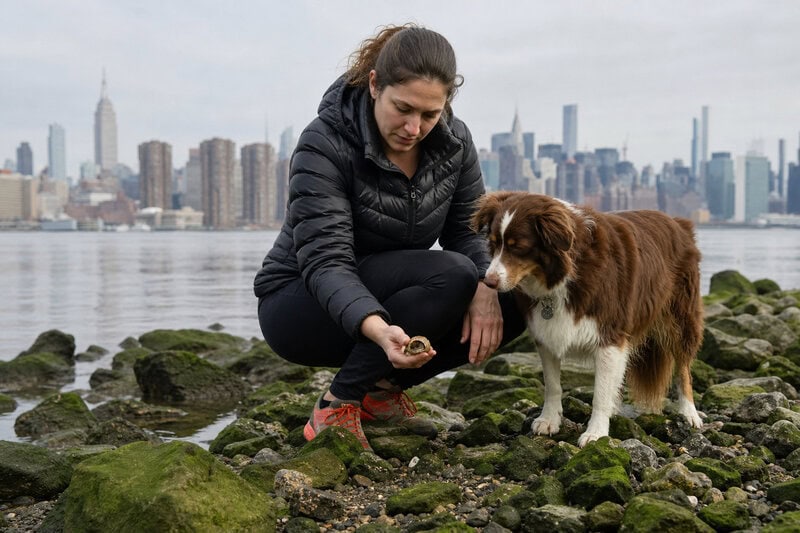
Urban biodiversity — the full range of plant, animal, fungal, and microbial life persisting within city limits — has historically been dismissed by ecologists focused on wilderness conservation. Decades of species surveys simply bypassed places like New York City, treating dense human settlement as biological dead zones rather than understudied ones. That framing is increasingly difficult to defend.
Cities create a patchwork of microclimates: rooftop heat islands, shaded ravines, storm-drain waterways, and remnant forest fragments that can each sustain distinct communities of organisms, some of which evolve in relative isolation from rural populations of the same species. New York City’s geography amplifies this complexity. Situated at the intersection of multiple ecological zones, with a port history that has introduced non-native species for centuries, the city is an environment where native, introduced, and potentially hybridized lineages coexist in ways that actively complicate identification. Any of those lineages could contain organisms never formally described.
The sheer volume of undescribed life on Earth makes new species statistically likely to appear wherever someone looks carefully and systematically. The ratio of described to estimated actual species — across insects alone — means the gap between the known and unknown biological world remains enormous. The real variable is not whether undiscovered species exist in cities. It is whether anyone trained to recognize them is doing the looking, and whether the institutional resources exist to support that work.
Emerging research is beginning to reframe urban areas not as biodiversity wastelands but as unintentional refugia — places where species persist when surrounding habitat has been degraded or destroyed. This is a contested but growing position among conservation biologists, and discoveries like the Staten Island leopard frog provide the empirical grounding that contested positions require before they can influence policy.
What Vox’s Insect Collection Project Actually Found
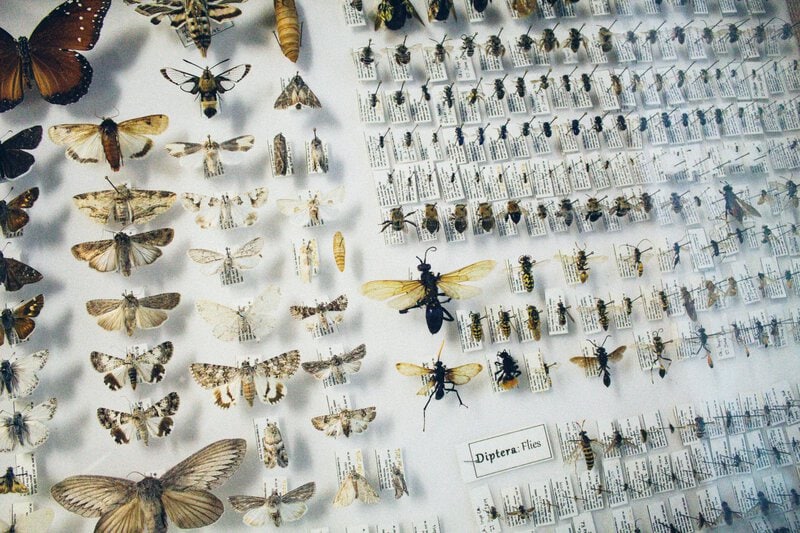
Vox journalists collected insects across New York City neighborhoods using a randomized sampling methodology designed to avoid cherry-picking charismatic or conspicuous specimens — an approach that mirrors citizen-science protocols used in formal biodiversity surveys. The specimens were submitted for expert analysis to determine whether any fell outside known species records.
Several collected specimens displayed characteristics that experts flagged as potentially belonging to species not yet recorded in scientific literature. That finding is significant, but it requires careful framing. Formal description and peer-reviewed publication — the steps required before a species is officially recognized by the scientific community — had not been completed at the time of reporting. The distinction between “we think this may be new” and “this is confirmed as new” is not a technicality. It is the difference between a hypothesis and a scientific finding. What the project demonstrated is a plausible frontier, not a closed discovery, and it should be read as such.
The project also clarified a practical reality about how initial discoveries happen. The barrier is rarely sophisticated equipment or remote fieldwork. It is systematic collection in places researchers have historically overlooked, combined with access to a taxonomist who can evaluate the material. New York City — which has both abundant overlooked habitat and proximity to major taxonomic institutions, including the American Museum of Natural History — is well-positioned for exactly this kind of work.
DNA barcoding, a technique that matches short genetic sequences against known species databases, has accelerated preliminary screening and is likely part of how flagged specimens get evaluated. But barcoding cannot by itself constitute a formal species description. It is a filter, not a finish line. Specimens that appear anomalous in a barcode scan still require the judgment of a qualified taxonomist and eventual publication in a peer-reviewed journal before they enter the official record of life on Earth.
For more on the methodology and findings behind the project, Vox senior correspondent coverage of the New York City species question offers additional context on what the search involved and what it revealed.
Central Park and the Northern Dusky Salamander: Evolution Underway
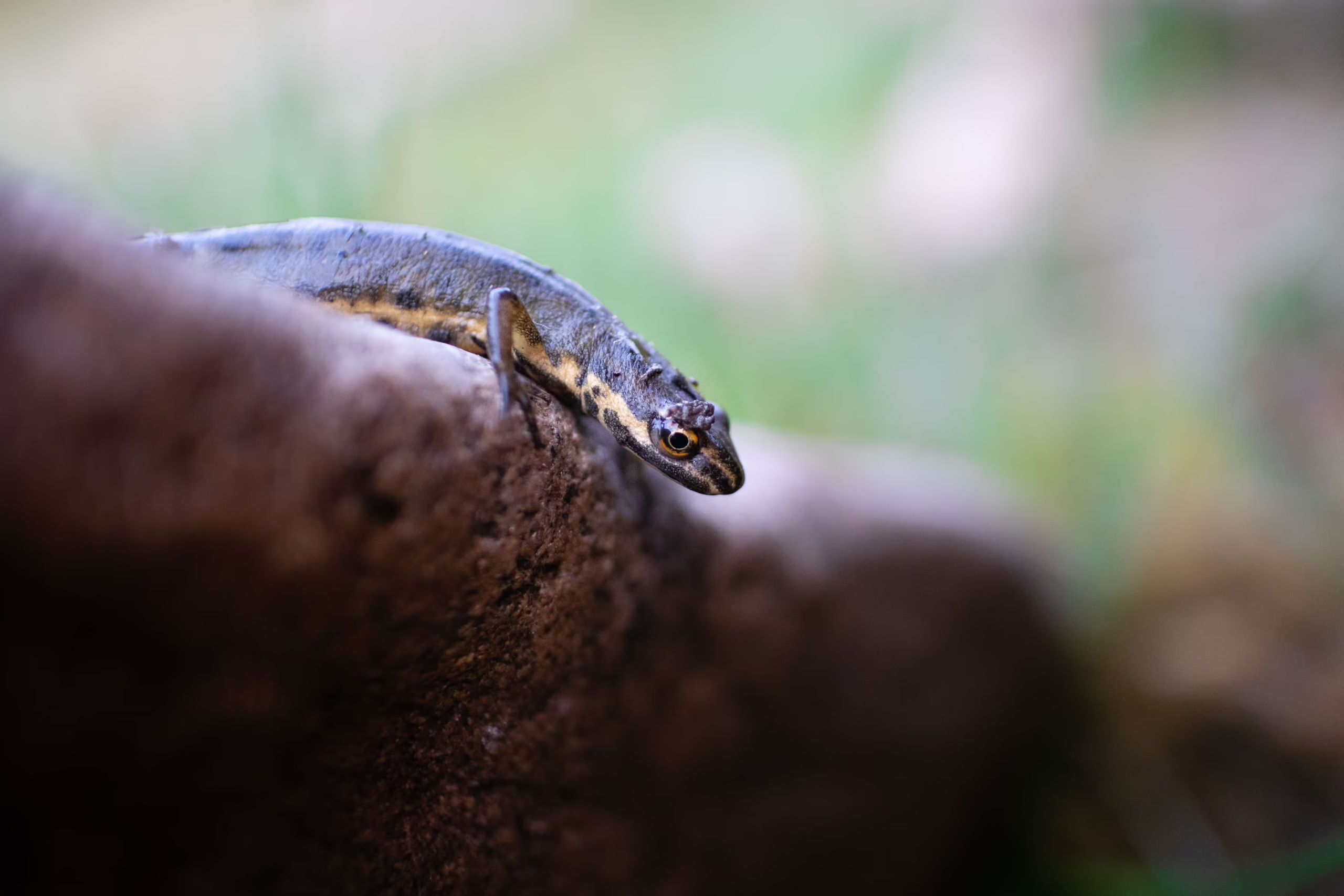
While the Vox project tracked insects and the Staten Island frog was being formally recognized, a quieter story was developing in Central Park. As the BBC has reported, the northern dusky salamander — a small, mottled amphibian found in Central Park — is showing measurable biological changes consistent with adaptation to urban conditions. Researchers describe these changes as a trajectory that could, over sufficient time and successive generations, produce a reproductively isolated population distinct enough to constitute a new species.
Speciation — the process by which one species diverges into two — requires populations to become genetically distinct enough that interbreeding either stops or produces less viable offspring. Urban isolation, where habitat fragments are surrounded by roads, buildings, and other surfaces impermeable to small animals, can accelerate that separation by cutting off gene flow between city populations and rural ones. Central Park’s salamanders are geographically isolated in ways that a salamander population within continuous forest habitat would not be, and that isolation has been in place long enough to generate detectable differences.
This remains an emerging and contested area of science. Researchers studying the Central Park population have not declared a new species. They have identified directional biological change — an important distinction that separates documented observation from speculative conclusion. Whether the changes observed are the early stages of speciation or reversible adaptations that would diminish if habitat connectivity were restored is a question the current data cannot fully answer. The salamander case is evidence of a process in motion, not proof of an outcome already reached.
The Scale of What Remains Unknown, and What It Means for Policy
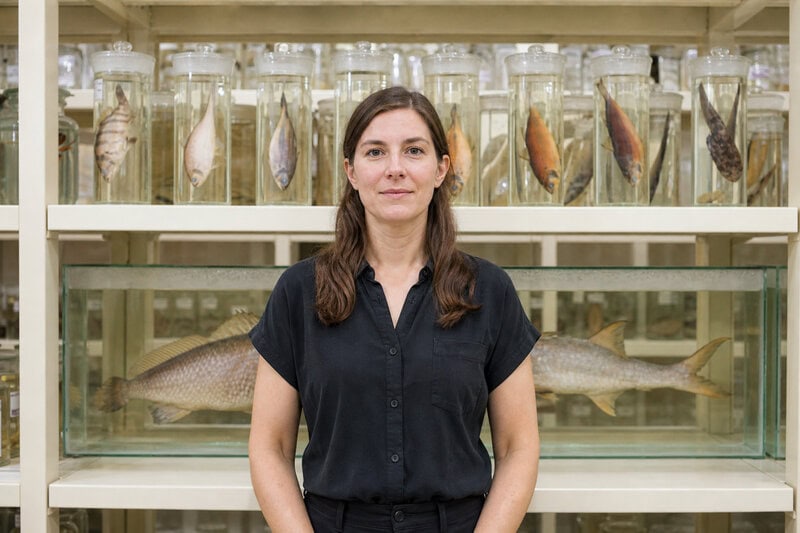
Urban ecology has expanded significantly as a discipline since the early 2000s, but taxonomic capacity — the number of scientists trained to formally describe and name new species — has not kept pace. This mismatch creates a bottleneck in which collected specimens sit in museum storage for years, sometimes decades, before reaching a specialist with the expertise to evaluate them. The problem is not a shortage of potentially new species. It is a shortage of the human infrastructure required to recognize and document them before the populations they represent face additional pressure.
New York City’s ecological complexity makes this bottleneck especially consequential. The city’s combination of overlapping ecological zones, introduced species with centuries of establishment, isolated habitat fragments, and continuous biological mixing means that distinguishing the familiar from the genuinely novel demands more expert time than has historically been allocated to urban environments. Systematic biodiversity surveys — randomized, comprehensive, and supported by institutions with real taxonomic depth — could begin to close that gap in ways that ad hoc collection cannot.
The conservation implications are direct and underappreciated. If New York City harbors undescribed species and populations undergoing active evolutionary change, then conservation frameworks focused exclusively on remote wilderness are operating with an incomplete map of where meaningful biological diversity actually resides. Urban green spaces — Central Park, the Staten Island Greenbelt, the city’s wetland corridors — function as de facto refugia, areas where species persist when surrounding habitat has been eliminated. Discoveries of new or diverging species strengthen the empirical case for protecting and expanding those spaces, not as recreational amenities, but as repositories of life that in some cases exists nowhere else on Earth.
The broader implication is both accessible and consequential. The next undiscovered species is not necessarily in a rainforest canopy or a deep-sea trench. It may be in the leaf litter beneath a park bench, in the margin of a Staten Island marsh, or in a collection tray waiting for a taxonomist’s attention. The frontier has always been closer than assumed. The question is whether the scientific and institutional will exists to kneel down and look for it systematically, before more of what remains unknown quietly disappears.