
For decades, a massive fossil sat inside the Pennsylvania State Museum, labeled as a known dinosaur species — a clerical error of prehistoric proportions that concealed an entirely new animal from science. Researchers didn’t uncover it on a remote expedition; they walked into an existing museum storage room and looked harder.
The Wrong Label on a 75-Million-Year-Old Giant
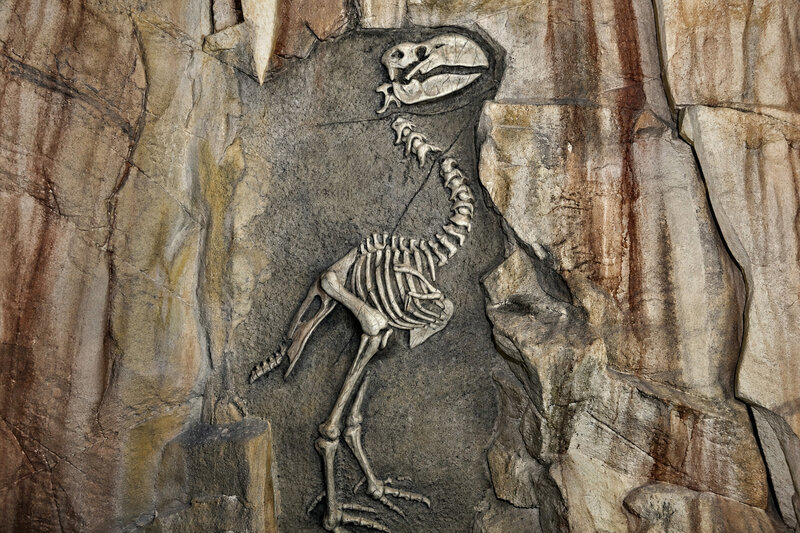
The fossil belonged to a hadrosaur — a large, plant-eating dinosaur characterized by its wide, flat “duck bill,” used to crop and process vegetation — and had been classified for years as a previously known species. Only through modern reanalysis was it recognized as something distinct: a massive duck-billed dinosaur that science had never formally named. Penn State’s reporting on the new duck-billed dinosaur identification confirms the discovery, which centers on a specimen already held within an institutional collection rather than extracted from a newly excavated dig site.
This is not an isolated quirk. Museum collections worldwide hold hundreds of millions of catalogued specimens, and scientists increasingly recognize that misidentified or inadequately studied fossils represent one of paleontology’s richest — and most underutilized — frontiers. The Pennsylvania State Museum cases make that point with unusual clarity: two distinct new dinosaur species, confirmed from material that had technically been “in a museum” for years, waiting for someone to look again.
What Was Actually Found — and Where
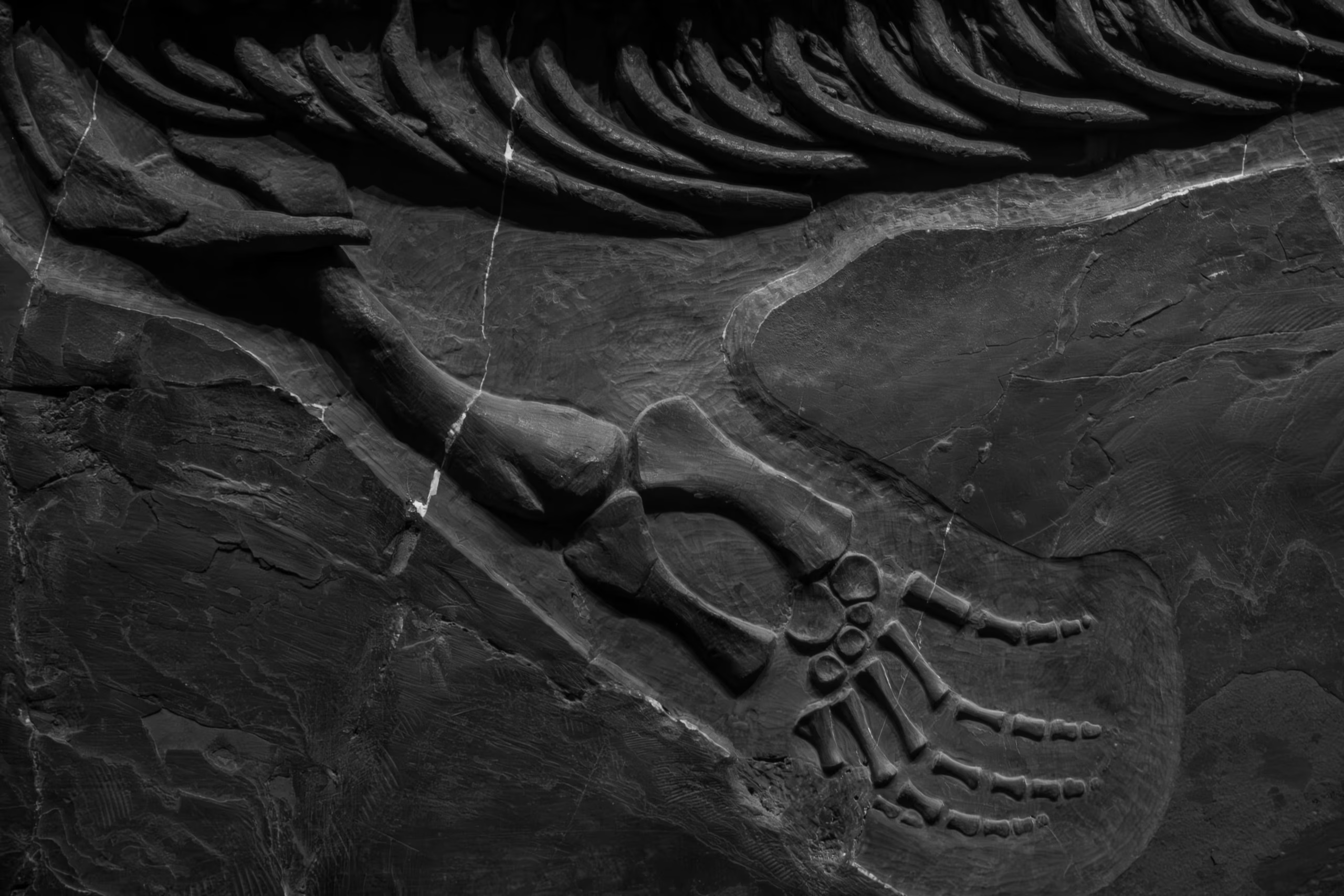
The first discovery is the hadrosaur fossil described above: a specimen previously filed under an existing species name that has now been formally identified as its own distinct animal. It lived approximately 75 million years ago during the Late Cretaceous period, a geological epoch during which much of interior North America was bisected by a shallow inland body of water known as the Western Interior Seaway, creating distinct ecological zones on either side.
The second discovery is a separate find entirely. A confirmed new dinosaur species known as Daemonosaurus chauliodous was identified from a fossil recovered inside a large mudstone block originating from New Mexico — material already part of the Pennsylvania State Museum’s holdings that also contained other fossil specimens. The two finds are unrelated species, recovered through distinct processes, and should not be conflated. The misidentified hadrosaur and Daemonosaurus chauliodous represent two separate chapters of the same broader story about the scientific value of museum collections.
How a Dinosaur Gets Misidentified — The Science of Fossil Classification
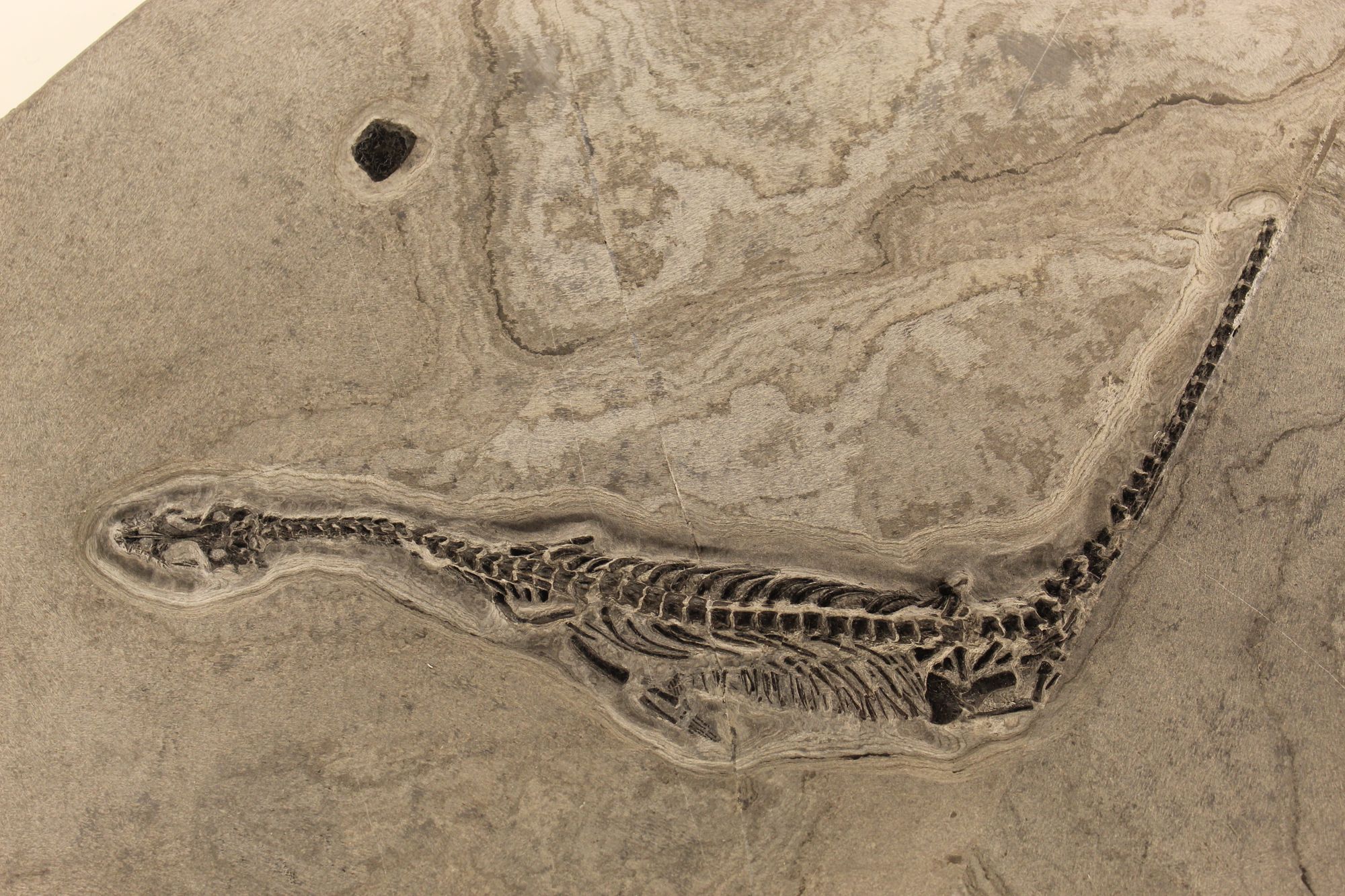
To understand why this happens, it helps to know how paleontologists classify dinosaurs in the first place. The primary method is morphological taxonomy — the systematic comparison of physical features such as bone shape, size ratios, and joint socket placement against the documented characteristics of known species. When a fossil is first catalogued, it is measured against whatever comparative data existed at that time. If it closely resembles an already-named animal, it is filed accordingly.
Early cataloguing was constrained by the tools and databases of its era. Without modern imaging technology such as CT scanning — which allows researchers to examine internal bone structures non-destructively — or access to comprehensive phylogenetic databases mapping evolutionary relationships across thousands of species, a subtle but scientifically significant difference between a known species and an unknown one could go undetected for generations.
Misidentification is not rare; it is a documented, recurring feature of natural history collections worldwide, and reclassification is considered a normal, healthy part of the scientific process rather than evidence of past failure. Each era of science works with the tools it has. What changes is what those tools can reveal.
The Hadrosaur: Portrait of a Newly Named Giant
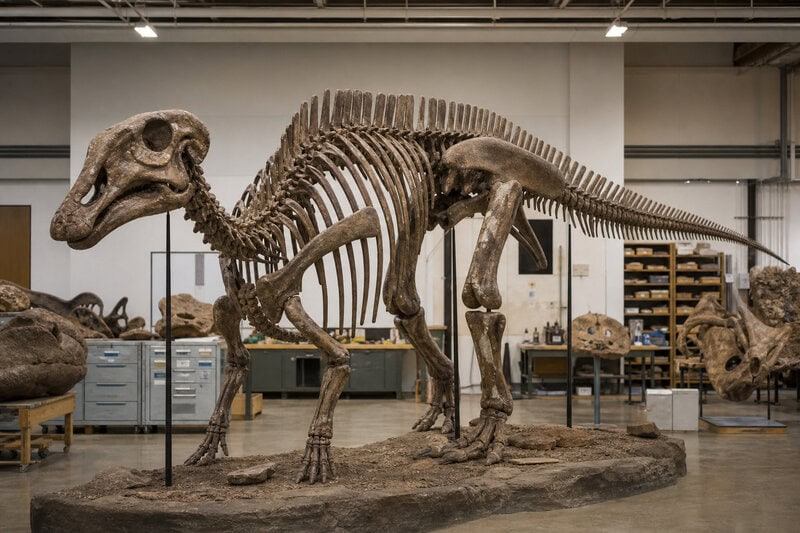
What is scientifically confirmed about the newly identified hadrosaur is this: it was massive, it belonged to the hadrosaur family, and it lived approximately 75 million years ago. Hadrosaurs were among the most successful and diverse dinosaur groups of the Late Cretaceous, spreading widely across ancient North America and developing a remarkable range of crests, body sizes, and ecological adaptations.
Identifying a new species within the family is scientifically meaningful because it helps researchers refine their understanding of how these animals diversified across distinct ancient ecosystems separated by the Western Interior Seaway. Each confirmed species adds a data point to models of Late Cretaceous biodiversity and geographic distribution — models that inform broader questions about how large herbivores partition resources and drive ecological change.
What remains subject to further study includes the full ecological niche this animal occupied, its precise geographic range, and the complete anatomical profile that formally distinguishes it from its closest relatives. Formal species descriptions in paleontology undergo peer review, and the details of this animal’s biology will sharpen as more researchers examine the material. Readers should treat specific anatomical claims beyond what has been institutionally confirmed as preliminary.
Daemonosaurus Chauliodous: The Monster in the Mudstone
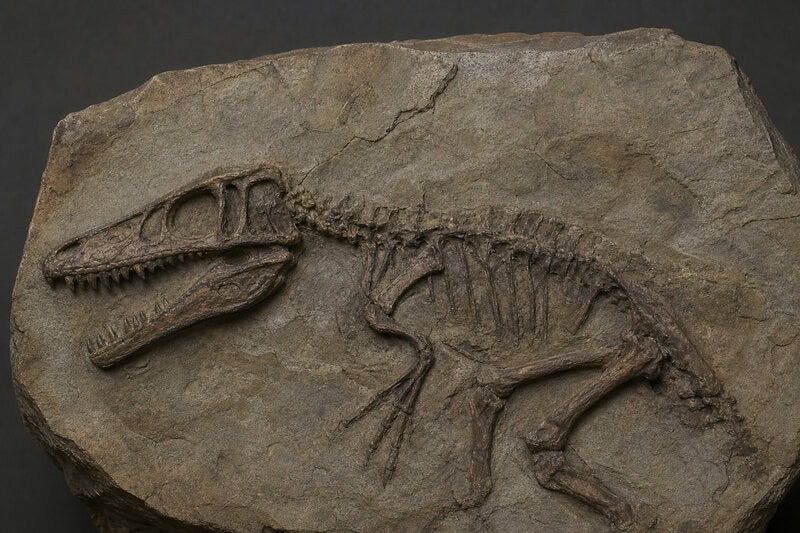
The genus name Daemonosaurus translates roughly to “demon lizard” — a name that reflects the dramatic appearance these early dinosaurs are inferred to have had. Its species name, chauliodous, refers to prominent teeth. The species was confirmed from a fossil found within a large mudstone block from New Mexico that was already part of the Pennsylvania State Museum’s collection and that contained additional fossil material alongside it.
The mudstone block context matters scientifically. Fossils encased in surrounding rock matrix alongside other specimens can require years of careful physical preparation before the contained bones are fully exposed and identifiable. This is one of the primary reasons a new species can emerge from material that has technically been housed in a museum for a long time: the specimen exists in the collection, but the preparation and analysis needed to characterize it fully takes time, expertise, and institutional resources that are not always immediately available.
What is confirmed is the species identification and the mudstone provenance from New Mexico. Any broader claims about Daemonosaurus‘s diet, social behavior, or ecological role should be understood as interpretive and preliminary, grounded in inference from comparative anatomy rather than direct evidence from this specific specimen.
Why Museum Collections Are Paleontology’s Hidden Gold Mine
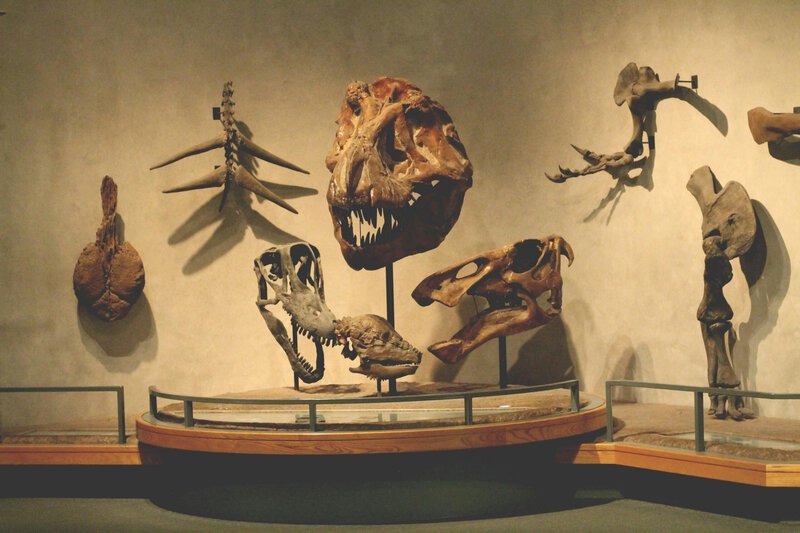
Natural history museums collectively hold an estimated 400 million catalogued specimens globally, the vast majority of which have never been subjected to the analytical techniques now available to researchers. That figure — a well-established approximation cited across the scientific literature on collection-based research — underscores the scale of what may remain undiscovered on existing shelves.
The Pennsylvania State Museum cases exemplify a broader scientific movement sometimes called collection-based discovery, in which research effort and institutional funding are directed at reanalyzing archived material rather than exclusively supporting new field excavations. This approach carries practical advantages: it does not require travel to remote sites, does not depend on the geological luck of surface exposure, and can be conducted collaboratively by researchers across institutions who share access to digitized records.
Advances in high-resolution CT scanning, three-dimensional surface modeling, and computational phylogenetics have made it faster and more accurate than ever to compare a specimen against the full global record of known species. A researcher in Pennsylvania can now cross-reference bone geometry against databases containing thousands of described species in ways that were simply not possible twenty years ago. The barrier to discovery, in many cases, is no longer access to fossils — it is access to time, expertise, and analytical resources.
The practical implication is a quiet but significant shift in how paleontologists think about where discovery happens. The next major dinosaur find may not come from a remote badlands expedition. It may come from a researcher with a scanning rig in a museum storage room.
What This Means for Science — and What Comes Next
Both discoveries contribute directly to the scientific record of Late Cretaceous biodiversity. Each confirmed species helps paleontologists reconstruct which animals shared environments, how ecosystems were structured across ancient North America, and where the boundaries between species fell as hadrosaurs and early dinosaur lineages diversified over millions of years.
Formal peer-reviewed species descriptions, complete anatomical analyses, and any widely adopted common names for these animals remain subject to the ongoing scientific publication process. That process is deliberate by design: independent expert review is what transforms a promising identification into an accepted part of the scientific record, and some details will be refined as additional researchers examine the material.
What the Pennsylvania State Museum cases have already demonstrated — regardless of what further study adds — is a concrete institutional argument: systematic investment in collection curation, specimen preparation, and collaborative research access produces measurable scientific returns without requiring new fieldwork budgets or excavation permits. New species. New knowledge. New chapters in the history of life, found not in the field but on the shelf.
Two new dinosaur species identified from fossils already in hand at the Pennsylvania State Museum are a reminder that the age of discovery in paleontology is far from over. It is simply, and increasingly, moving indoors.