
For roughly 40 years, scientists knew the ancient mammal group Zhelestidae almost entirely from isolated teeth — fragments so small they offered little more than a name and an unanswered question about where this lineage belonged in the mammal family tree. A single, remarkably complete skeleton unearthed in Mongolia’s Gobi Desert has now supplied the bones that teeth alone could never provide, forcing researchers to redraw a key branch of early mammal evolution.
One Nearly Complete Skeleton, Four Decades of Unanswered Questions
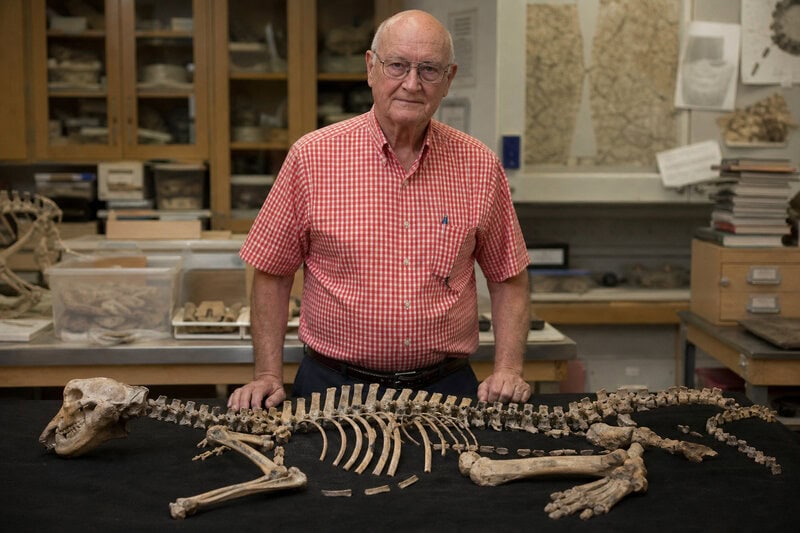
The specimen, formally named Ravjaa ishii, sat undescribed for more than 20 years after its initial discovery before a detailed analysis revealed its full significance. That long delay — not unusual in paleontology, where specimen preparation, funding cycles, and comparative study can span generations of researchers — makes the findings no less consequential for scientists studying life during the age of dinosaurs. According to the American Museum of Natural History, the discovery is actively reshaping scientists’ understanding of mammal evolution during the Cretaceous period.
The case of Ravjaa ishii illustrates a recurring truth in paleontology: a single well-preserved fossil can overturn decades of consensus built on fragmentary evidence. When the only record of an entire animal group consists of teeth, researchers are effectively trying to reconstruct a novel from a handful of sentences. Bones change everything.
What Is Zhelestidae — and Why Did Its Placement Matter So Much?
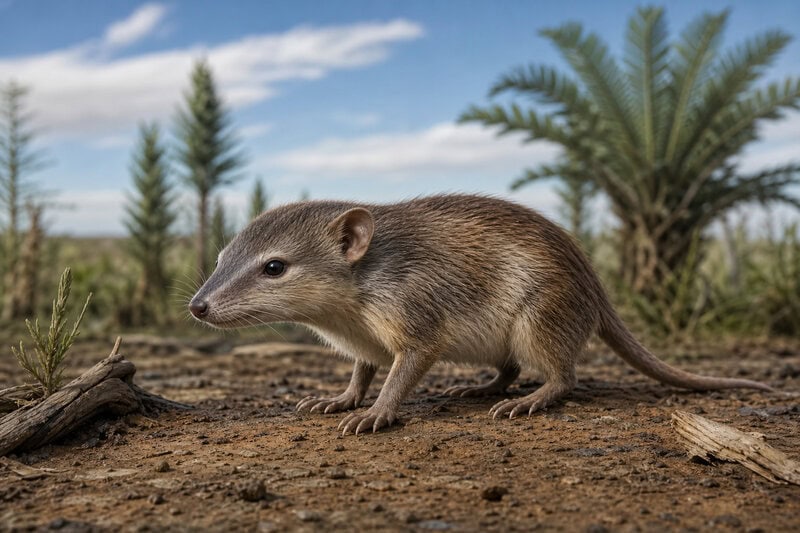
Zhelestidae (pronounced zheh-LES-tih-day) is an extinct group of early placental-grade mammals that lived alongside dinosaurs during the Late Cretaceous period, roughly 66 to 100 million years ago. The term “placental-grade” means these animals occupied an evolutionary position similar to, or within, the broader lineage that eventually produced all living placental mammals — the group that today includes everything from mice to whales to humans. Because zhelestids were known almost exclusively from teeth for approximately four decades, their placement in the mammal phylogeny — the branching diagram of evolutionary relationships — remained bitterly contested.
The stakes of that debate were substantial. Some researchers argued that zhelestids were close relatives of modern ungulates — hoofed mammals such as horses, cows, and their kin — a position that, if correct, would push the deep origins of major placental mammal groups back into the dinosaur era itself. Others maintained the group was far more primitive, representing an early side-branch that left no living descendants. That distinction carries profound implications for how scientists date the explosive diversification of mammals that followed the dinosaurs’ extinction 66 million years ago.
Compounding the difficulty, molecular clocks — estimates of evolutionary timing derived from comparing DNA sequences across living species — and the physical fossil record have long been in tension on this question. Molecular data frequently suggest that placental mammal lineages began diverging well before the end-Cretaceous mass extinction, while the fossil record has struggled to supply the skeletal evidence needed to confirm or refute that picture. Zhelestidae sat at the center of that unresolved argument for four decades.
The Discovery: A Desert, a Long Wait, and a New Name
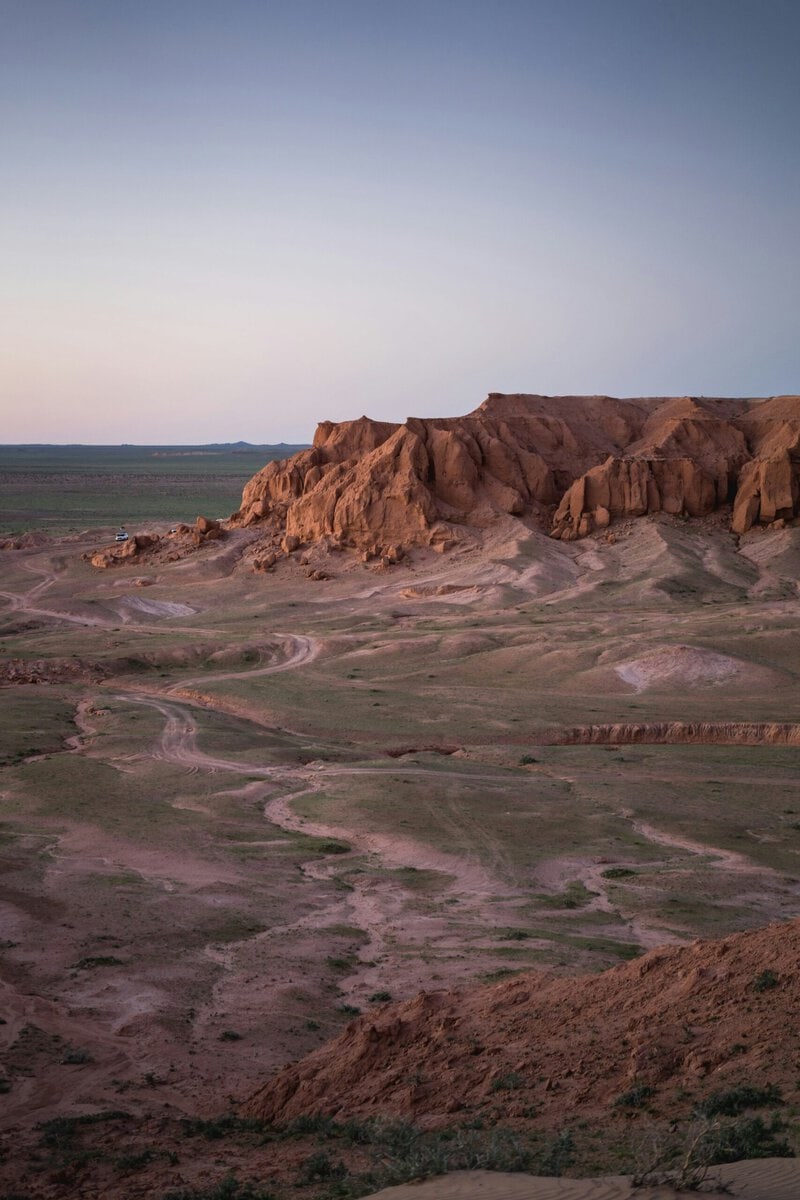
The fossil was recovered from the Gobi Desert of Mongolia, one of the world’s most productive paleontological regions. Arid conditions and relentlessly eroding sediments have preserved an extraordinary record of Cretaceous life across the Gobi’s vast exposures, making it a destination for international research teams decade after decade. As Earth.com reports, this latest find from the region is already being described as rewriting a chapter of mammal evolution.
More than two decades elapsed between the specimen’s initial recovery and the publication of its formal scientific analysis — a timeline that reflects the reality of modern paleontology rather than any oversight. Describing a new species requires meticulous physical preparation of the rock matrix surrounding the bones, access to comparative collections of related specimens housed in museums around the world, and the painstaking work of placing the animal within a quantitative phylogenetic framework alongside hundreds of other taxa. Each of those steps demands specialist expertise and, frequently, years of iterative analysis.
The specimen was named Ravjaa ishii following the scientific convention of honoring both the locality’s cultural heritage and individuals involved in the research. Crucially, the animal is described by the researchers as remarkably complete — preserving skeletal elements far beyond teeth, supplying the anatomical detail needed to place it confidently within the broader mammal family tree for the first time.
What the Bones Revealed: Reading an Evolutionary Reshuffle
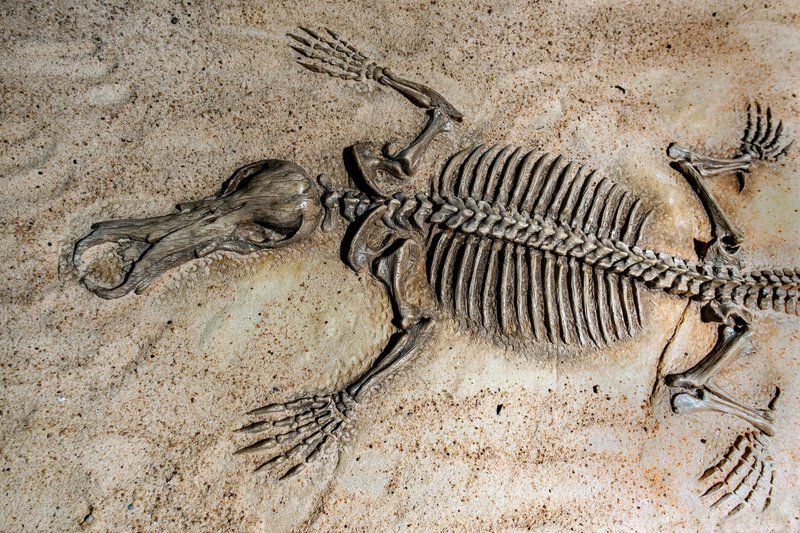
A nearly complete skeleton provides far more phylogenetic information than teeth alone. Limb proportions, wrist and ankle bones, and skull architecture each carry independent lines of evidence about evolutionary relationships — evidence that can be cross-checked against competing hypotheses and entered into the large data matrices that modern phylogenetic analyses require. Teeth, by contrast, are subject to convergent evolution: distantly related animals can independently evolve similar tooth shapes in response to similar diets, making dental evidence alone an unreliable guide to true ancestry. This is precisely why zhelestid relationships remained so murky for so long.
Analysis of Ravjaa ishii confirmed its membership in Zhelestidae, but the skeletal data allowed researchers to place the group’s position in the mammal family tree with a precision previously impossible. According to coverage from the University of Arizona, the new Gobi fossil is helping resolve a decades-long scientific debate about where this extinct group fits among early mammals. In practical terms, the discovery is effectively repositioning an entire branch that had been speculatively placed for roughly 40 years — a significant restructuring of early mammal phylogeny.
The findings indicate that the evolutionary branching point associated with zhelestids occurred in a different relationship to other mammal groups than the teeth-only record implied. The precise details of that repositioning are subject to the standard process of independent testing by other research teams, who will incorporate the new skeletal data into their own phylogenetic datasets — the mechanism by which contested findings either harden into consensus or invite further revision.
Why This Reshapes the Mammal Family Tree — Not Just a Single Species
Phylogenetic placement of an extinct group has cascading consequences that extend far beyond the species in question. Shifting where zhelestids sit in the tree changes scientists’ estimates of when and how rapidly the lineages leading to modern placentals began to diverge from one another. It also affects the calibration of molecular clocks, which rely partly on fossil evidence to anchor their timing estimates to real geological time — meaning a repositioned zhelestid branch can ripple through dozens of downstream evolutionary calculations.
If zhelestids are confirmed to sit outside the crown placental group — the clade defined by all living placental mammals and their most recent common ancestor — it would weaken the argument that diverse placental body plans were already proliferating deep in the Cretaceous alongside dinosaurs. A more nested position, placing them closer within the crown group, would support a longer and richer Cretaceous history for placental-grade mammals. As AMNH coverage of the discovery notes, this is precisely the kind of question the new specimen is helping to address.
The Ravjaa ishii analysis does not close every debate. Researchers caution that further specimens will be needed to fully stabilize the group’s phylogenetic position. What the study does supply is the most substantial skeletal evidence yet brought to bear on the zhelestid question — after four decades in which that evidence was entirely absent.
The Gobi Desert as a Window Into Mammal Origins
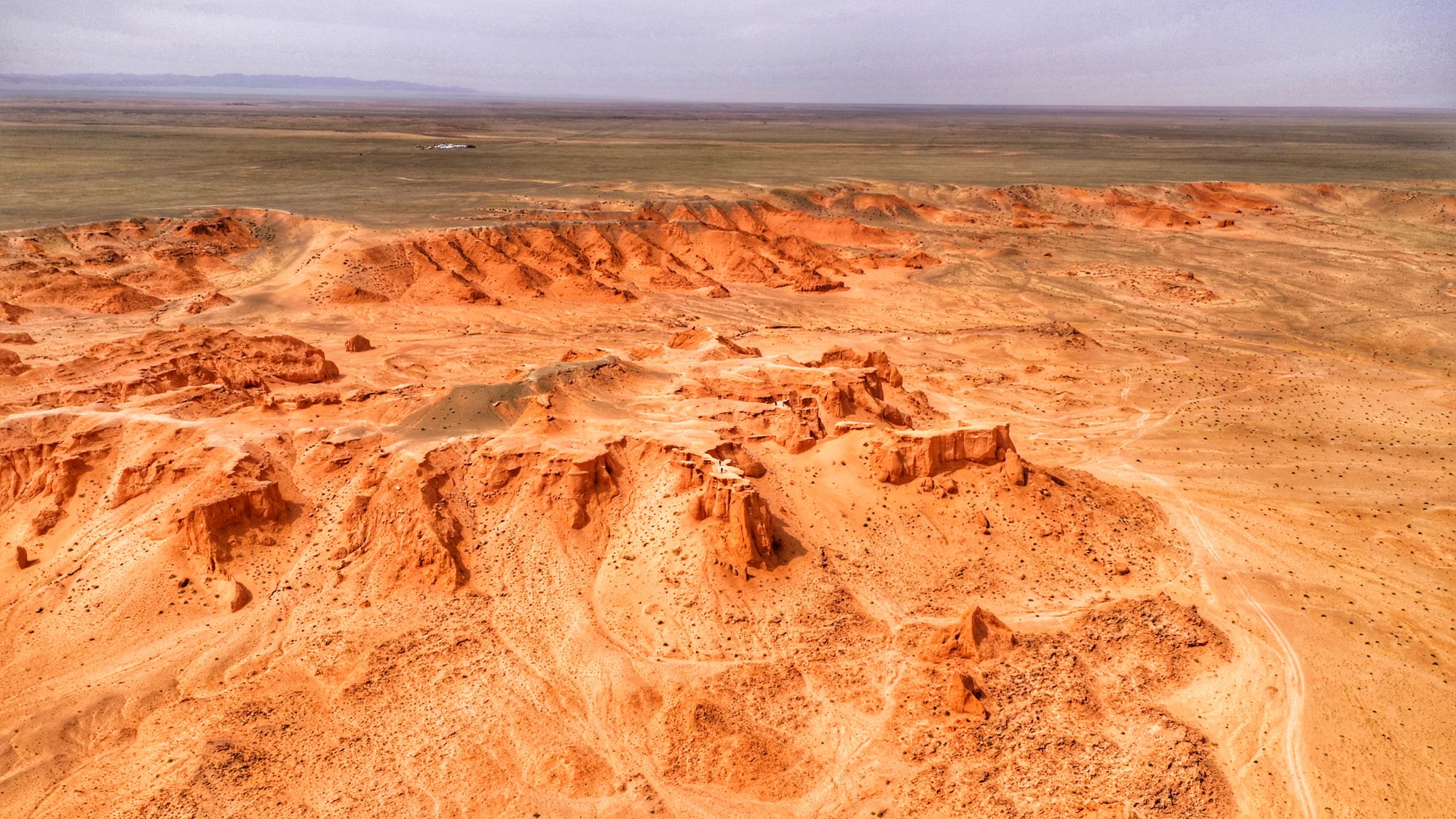
Mongolia’s Gobi Desert has produced a disproportionate share of landmark Cretaceous mammal fossils — multituberculates, early therians, and now a key zhelestid — making it one of the most important localities on Earth for understanding mammal evolution during the dinosaur era. The region’s arid, erosion-prone terrain continuously exposes Late Cretaceous sediments across vast areas, increasing the probability that well-preserved specimens will gradually weather to the surface. Paleontologists exploit this geological lottery through repeated field surveys, returning to productive localities across multiple seasons and decades.
International collaborations between Mongolian institutions and research teams worldwide have been central to extracting and interpreting the scientific value of Gobi fossil material, and the Ravjaa ishii study exemplifies that cooperative model. The two-decade gap between the specimen’s discovery and its published analysis also underscores a broader point: the Gobi’s existing museum collections almost certainly contain additional specimens whose significance has yet to be fully assessed. Discussion of the find, including additional context from the research team, has been shared through the American Museum of Natural History’s public channels.
Open Questions and the Limits of One Fossil
Even a remarkably complete single specimen carries inherent uncertainty. Individual variation among animals of the same species, preservation artifacts introduced by millions of years of geological pressure, and the absence of growth-series data — fossils representing juveniles and adults of the same species — mean that some anatomical interpretations may be revised as additional material comes to light. Paleontology is a discipline built on accumulating evidence, and any single discovery, however significant, is a contribution to an ongoing argument rather than its final word.
The broader debate about the timing of placental mammal diversification — whether the major lineages leading to today’s diverse placentals originated before or after the end-Cretaceous mass extinction 66 million years ago — remains one of the most actively contested questions in vertebrate paleontology. The zhelestid placement supplied by Ravjaa ishii is one important data point among many that researchers are actively weighing against molecular clock estimates, biogeographic patterns, and the broader Cretaceous fossil record. No single fossil resolves that argument, but the best fossils sharpen it — and that is exactly what this specimen does.
For now, Ravjaa ishii stands as the most complete window yet into a group that was little more than a handful of teeth for four decades. Its discovery confirms, once again, that the Gobi Desert has not finished rewriting the mammal family tree — and that the next specimen capable of reshaping our understanding of early mammal evolution may already be weathering slowly toward the surface somewhere in Mongolia’s vast, ancient sediments.