
Sixty-five tons. That is the confirmed mass estimate for Dreadnoughtus schrani, a titanosaur sauropod heavier than a space shuttle and one of the largest land animals ever documented by science. In three weeks, an animal built on that same paleontological foundation walks back into multiplexes when Jurassic World Rebirth opens as July 2025’s most anticipated blockbuster. The question worth asking before you buy your ticket is not simply whether the film is realistic — it isn’t, entirely — but which parts of it track closer to peer-reviewed evidence than audiences might expect, and which parts real paleontology has already left behind.
The Science Baseline: What We Actually Know About Dinosaurs in 2025
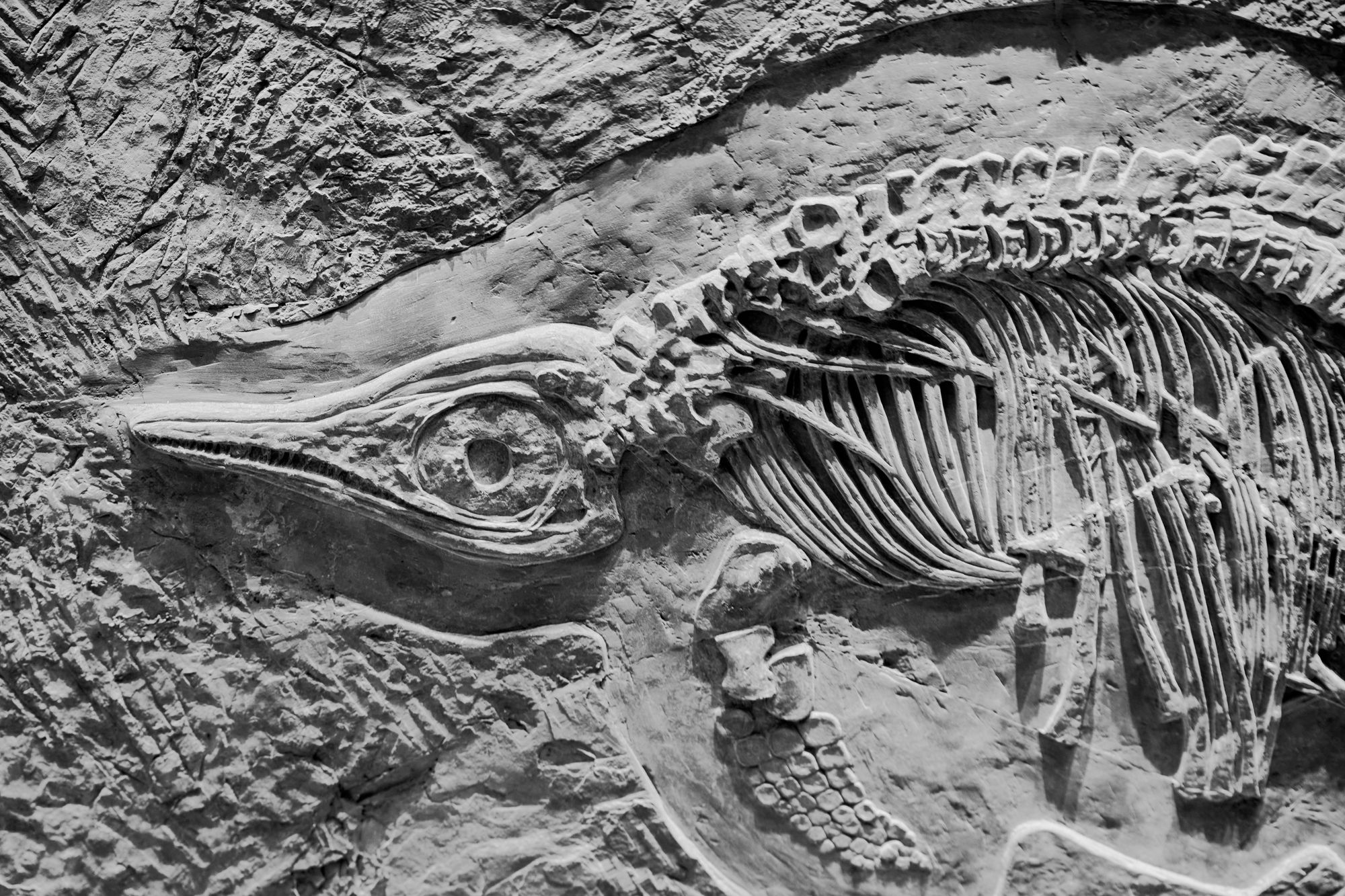
Any honest audit of the Jurassic World franchise has to begin with its foundational premise: that non-avian dinosaurs could be reconstructed from ancient DNA preserved inside amber-trapped insects. That premise, compelling when Michael Crichton introduced it in 1990, has no viable scientific pathway in 2025. Research published in PLOS ONE in 2013, co-authored by Morten Allentoft and colleagues, established that DNA has a half-life of roughly 521 years under favorable preservation conditions. The Cretaceous period ended approximately 66 million years ago. No known preservation mechanism bridges that gap, and the study confirmed that readable genetic sequences cannot persist beyond approximately one million years even under ideal circumstances. The core plot engine of the entire franchise is, by current scientific consensus, impossible.
What paleontology has confirmed with high confidence is considerably more interesting than the films often acknowledge. Many theropod dinosaurs — the bipedal, often predatory group that includes Tyrannosaurus rex and Velociraptor — were warm-blooded, fast-growing, and in many cases feathered. This conclusion is supported by bone histology studies and extensive fossil evidence reviewed by institutions including the American Museum of Natural History. The evolutionary relationship between non-avian dinosaurs and modern birds is among the most robustly supported findings in contemporary paleontology, not a contested fringe position.
Size estimates for the largest dinosaurs, including titanosaur sauropods like Dreadnoughtus, are derived from regression equations applied to limb-bone measurements — a methodology published by Kenneth Lacovara and colleagues in Scientific Reports in 2014. Those figures carry a precise but not infallible scientific basis; they are the best available inference from physical evidence, not direct measurement. Genuinely contested areas include the full vocal range of non-avian dinosaurs, the exact social complexity of species historically described as pack hunters, and the precise coloration of skin and plumage beyond the small number of melanin-preserved specimens studied to date.
What Jurassic World Rebirth Gets Surprisingly Right
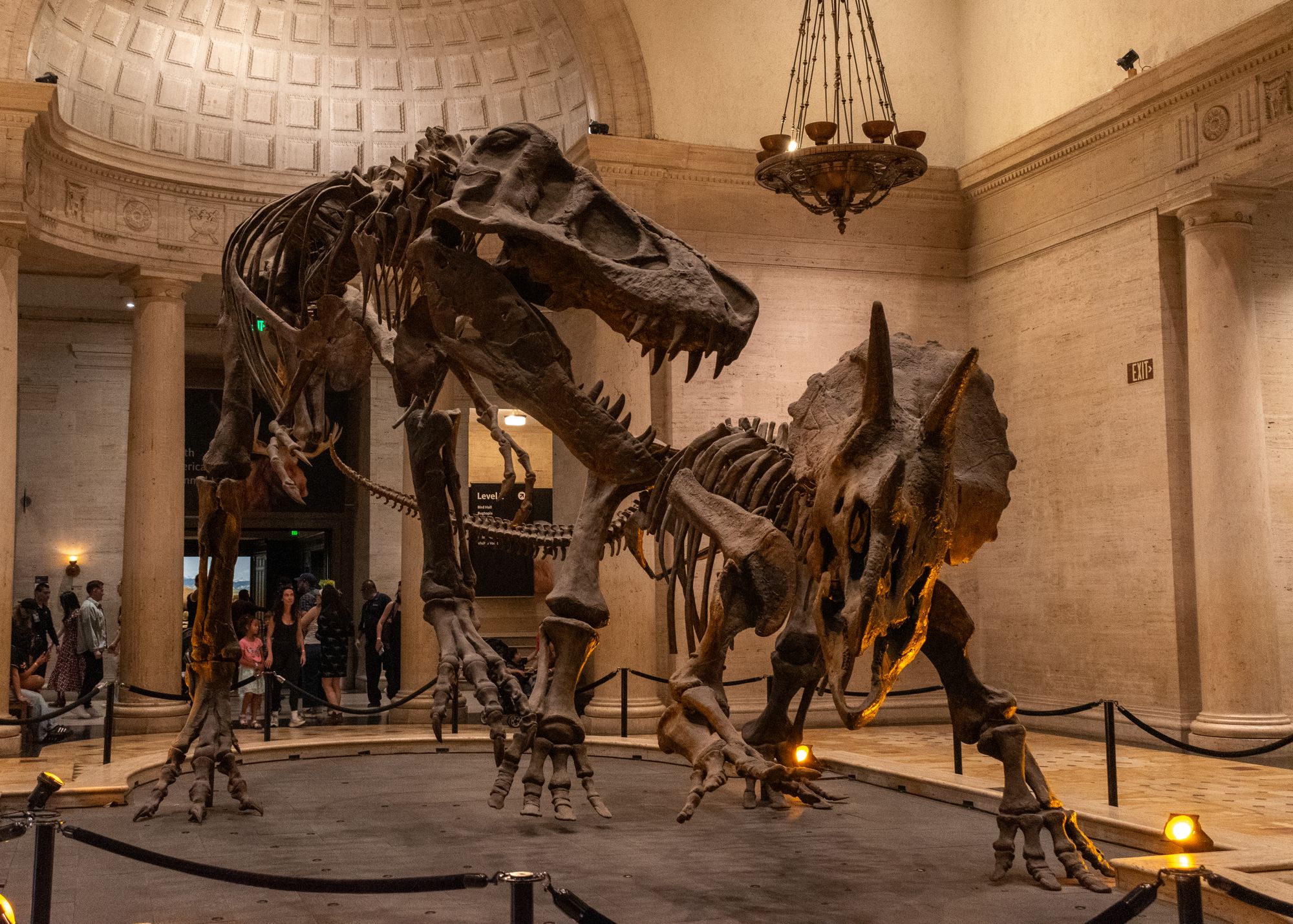
The production team’s decision to build large-scale practical animatronic dinosaurs for Jurassic World Rebirth — a process that reportedly required months of engineering work — aligns, inadvertently or not, with current biomechanical thinking. Engineers designing moving, weight-bearing animatronics must solve the same load-distribution problems that real titanosaurs faced. A 65-ton animal cannot stand, let alone walk, without specific skeletal geometry and muscular support. When filmmakers are forced by the laws of physics to make a physical object hold itself up and move convincingly, the resulting posture and gait can end up more plausible than pure CGI creatures unconstrained by mechanical reality. The animatronic discipline imposes a kind of accidental scientific rigor.
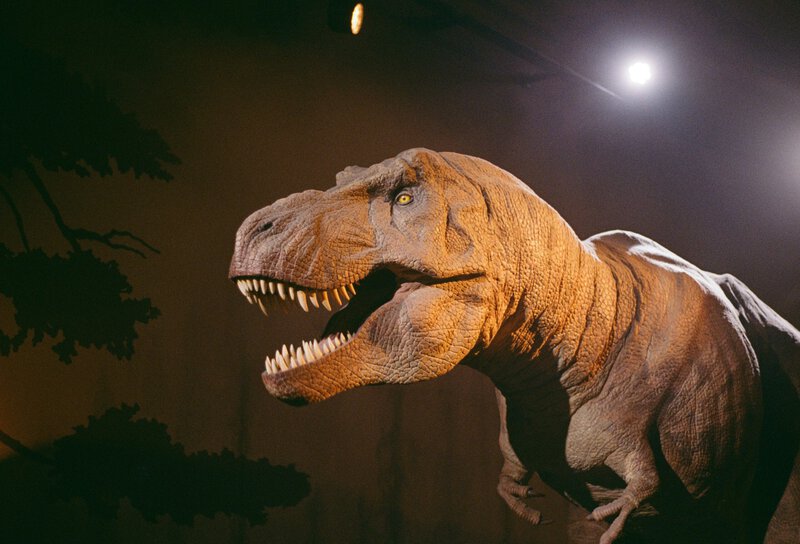
The franchise’s long-running portrayal of T. rex as an active, pursuit-capable predator rather than a passive scavenger is also consistent with scientific consensus. Biomechanical modeling work by John Hutchinson at the Royal Veterinary College has supported T. rex‘s capacity for sustained locomotion, though top speed estimates remain an area of active research and debate. The scavenger hypothesis, once seriously proposed, has not gained meaningful traction in the peer-reviewed literature.
More recent science offers partial support for the franchise’s treatment of dinosaur cognition. A 2023 study published in Science Advances used CT scanning to analyze T. rex brain endocasts — internal skull casts that preserve the rough shape of the brain — and found evidence of relatively complex sensory processing. The Jurassic World films have increasingly depicted large dinosaurs as animals with individual behavior, memory, and apparent social bonds. That framing is not well-supported by direct fossil evidence, but it is no longer as categorically implausible as it once seemed. The science here is genuinely unsettled rather than settled against the films.
And then there is the matter of sheer scale. Dreadnoughtus schrani, discovered by a Philadelphia-area paleontologist and featured in the Jurassic World franchise, is one of the most completely recovered giant titanosaur skeletons ever excavated. Its 65-ton mass estimate rests on the same femur-circumference regression methods used for all large sauropod estimates, giving it firmer evidentiary footing than many popular size claims. The franchise’s instinct for overwhelming physical spectacle, in this specific case, tracks with verified paleontological data.
Where the Science Breaks Down: The Franchise’s Persistent Myths
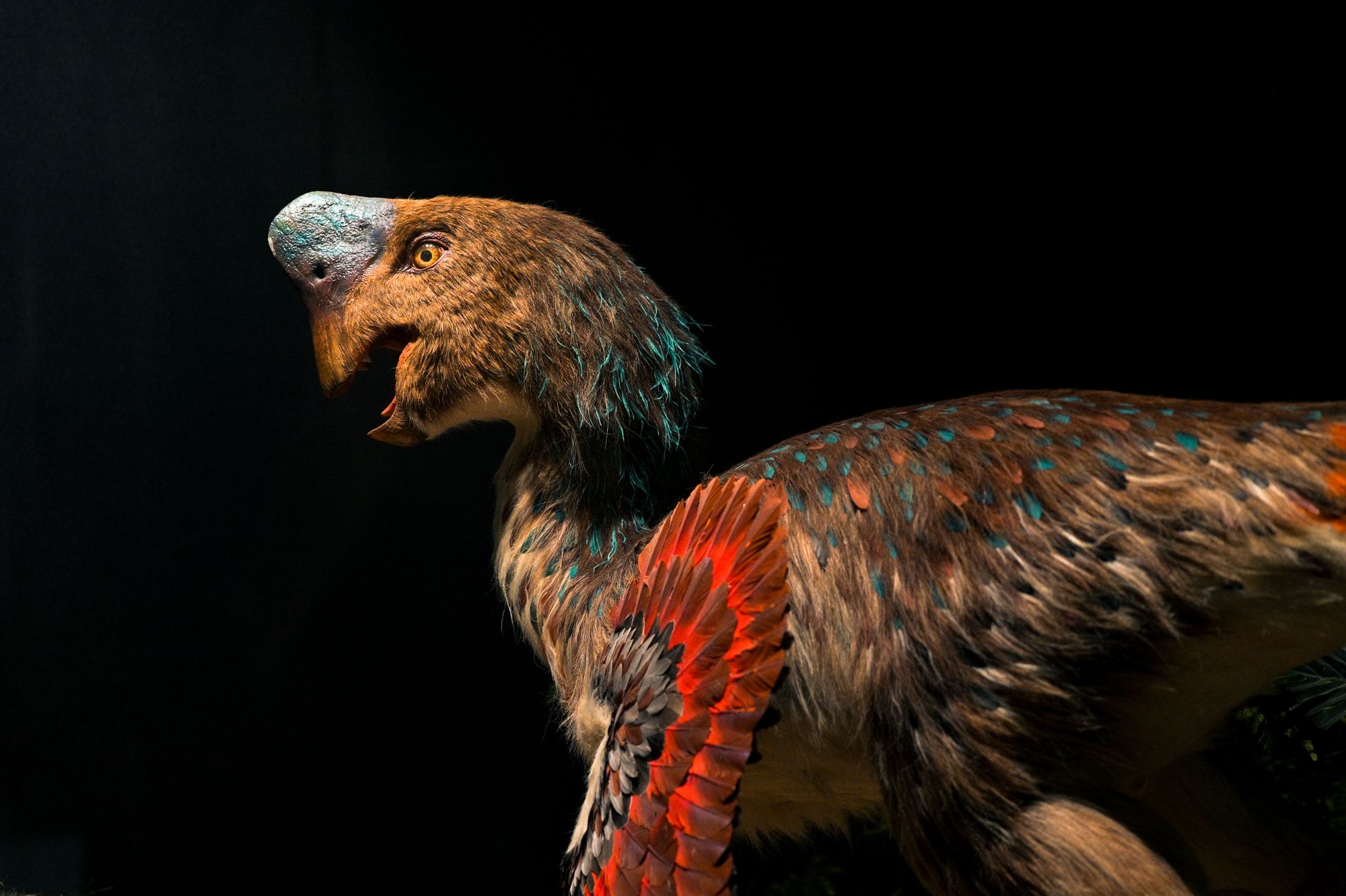
The most significant and well-documented gap between the Jurassic World films and current science involves integumentary biology — the external covering of skin, scales, and feathers. The franchise consistently depicts Velociraptor as a scaly, roughly human-sized predator. The real animal was approximately turkey-sized. More critically, fossil specimens of Velociraptor mongoliensis described by paleontologist Alan Turner and colleagues in Science in 2007 preserve quill knobs — attachment points for large feathers — on the forearm bones. The scientific consensus, supported by this and subsequent fossil evidence, is that Velociraptor was almost certainly feathered. The franchise’s version belongs to 1990s paleontology, not 2025’s.
The films also persistently portray Dilophosaurus as a venom-spitting animal with a retractable neck frill. Neither feature has any fossil support. This depiction originated with Crichton’s novel and has been carried forward through multiple films without corroborating paleontological evidence, according to the Smithsonian National Museum of Natural History. It is, in blunt terms, invented biology that has been repeated often enough to feel authoritative.
Pack-hunting behavior in Velociraptor, a dramatic centerpiece of the franchise, also remains scientifically contested. While some trackway evidence suggests herding behavior in large herbivorous dinosaurs, direct fossil evidence for coordinated predatory pack behavior in dromaeosaurids — the family to which Velociraptor belongs — is limited and disputed among researchers. The franchise presents it as established fact; the science treats it as an open question.
The Dreadnoughtus Case Study: When Hollywood and Science Briefly Align
Dreadnoughtus represents a rare and instructive case of recent scientific discovery moving rapidly into mainstream popular culture. Lacovara named and formally described the animal in 2014; it appeared in the Jurassic World franchise within a decade of that publication. Lacovara has acknowledged the franchise appearance as a tool for public science engagement — a feedback loop between the research literature and the audience that watches summer blockbusters.
But the Dreadnoughtus example also illustrates where Hollywood accuracy reliably breaks down. The animal’s real biology — likely slow-moving, dependent on a fermentation-based digestive process similar to that of modern large herbivores, and probably not particularly dramatic in its day-to-day behavior — would not sustain a blockbuster’s pacing. Hollywood accuracy is most achievable at the level of scale and gross anatomy, where physical evidence is most direct and measurement-based. It is least achievable at the level of behavior, ecology, and moment-to-moment physiology, where the fossil record goes largely silent and filmmakers must fill that silence with drama.
Why Accuracy Matters Beyond Fact-Checking
The stakes of this gap extend beyond trivia. A 2019 survey by the Pew Research Center found that popular media ranks among the top sources through which American adults report learning about science, placing franchise films like Jurassic World in a de facto science communication role whether their creators intend it or not. Paleontologist Stephen Brusatte of the University of Edinburgh has noted that the persistent feather-free depiction of theropod dinosaurs in the Jurassic World films contributes to public misconceptions about the avian-dinosaur evolutionary relationship — one of the most consequential and well-supported findings in modern biology.
The countervailing force is equally real. The Jurassic World franchise has measurably increased museum attendance and interest in paleontology programs following major releases, according to reporting from institutions including the Natural History Museum in London. Scientifically imperfect spectacle can and does drive genuine scientific curiosity. The productive question is whether that curiosity can be channeled more precisely — whether future installments might consult more directly with active researchers, as some paleontologists have done with documentary productions, to correct the most consequential inaccuracies without sacrificing dramatic tension.
Grading Jurassic World Rebirth on the 2025 Science Curve
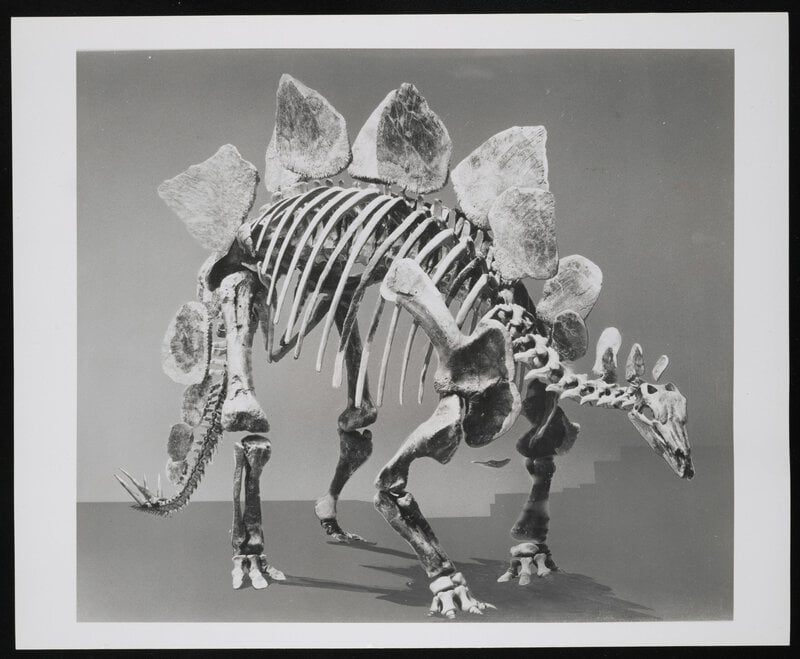
On scale and gross anatomy, the franchise earns high marks. The physical dimensions and basic skeletal proportions of its featured animals are grounded in the same measurement-based science that produced Dreadnoughtus‘s 65-ton estimate, and the use of practical animatronics enforces a degree of biomechanical plausibility that unconstrained CGI workflows do not require.
On integumentary biology — what the animals actually looked like on the outside — the franchise remains firmly in 1990s science, depicting creatures that the last decade of fossil discovery has shown were almost certainly far more bird-like than any Jurassic World film has portrayed. That is the single largest divergence between the films and current consensus, and it is large enough to matter.
On behavior and cognition, the franchise is operating in legitimately contested scientific territory. The social intelligence and individual personality it ascribes to its dinosaurs is not well-supported by direct evidence, but it is not definitively ruled out either. Those narrative choices occupy a gray zone rather than a red one.
Jurassic World Rebirth will not be a paleontology lecture, nor should it be. But as the biggest dinosaur movie of 2025 arrives in theaters, the most productive frame for an informed audience is not a binary question of real versus fake. It is a more precise one: which parts of this are closer to the evidence than you might expect — and which parts is real science rapidly, and quietly, leaving behind?