
When researchers examined Pleistocene-era bear bones recovered from Portuguese fossil sites, they expected to sort the specimens into two familiar categories: the extinct cave bear (Ursus spelaeus), a massive Ice Age giant that disappeared roughly 24,000 years ago, and the brown bear (Ursus arctos) we know today. What they found instead was both simpler and more troubling — brown bears so enormous they were nearly indistinguishable from cave bears, and a fossil record showing those same bears growing measurably, consistently smaller over thousands of years.
The Bear That Fooled the Fossil Record
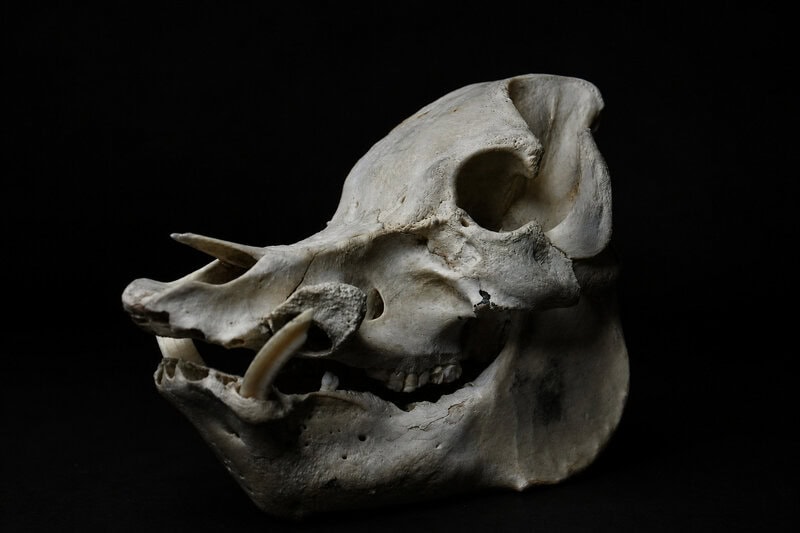
A new study of Pleistocene bear skeletal remains from Portugal has produced two findings that ripple outward from each other. First, the research found no confirmed cave bear remains in Portugal at all. The oversized specimens previously suspected or misidentified as Ursus spelaeus were, on rigorous morphological analysis, brown bears at the largest end of their ancient size range. Second, and more consequentially, those brown bear populations underwent a measurable, millennia-long reduction in body size across the fossil record. According to the study’s authors, human hunting pressure is proposed as a contributing driver of that shrinkage — not climate change alone.
The last wild bear in Portugal was shot in 1843, making it one of the earlier large-carnivore extinctions in Western Europe. But if this research is correct, the forces that erased those bears were not simply a matter of rifles and agricultural expansion in the modern era. They may have begun operating thousands of years earlier, written quietly into bone and body mass across generation after generation.
What the Fossils Actually Show
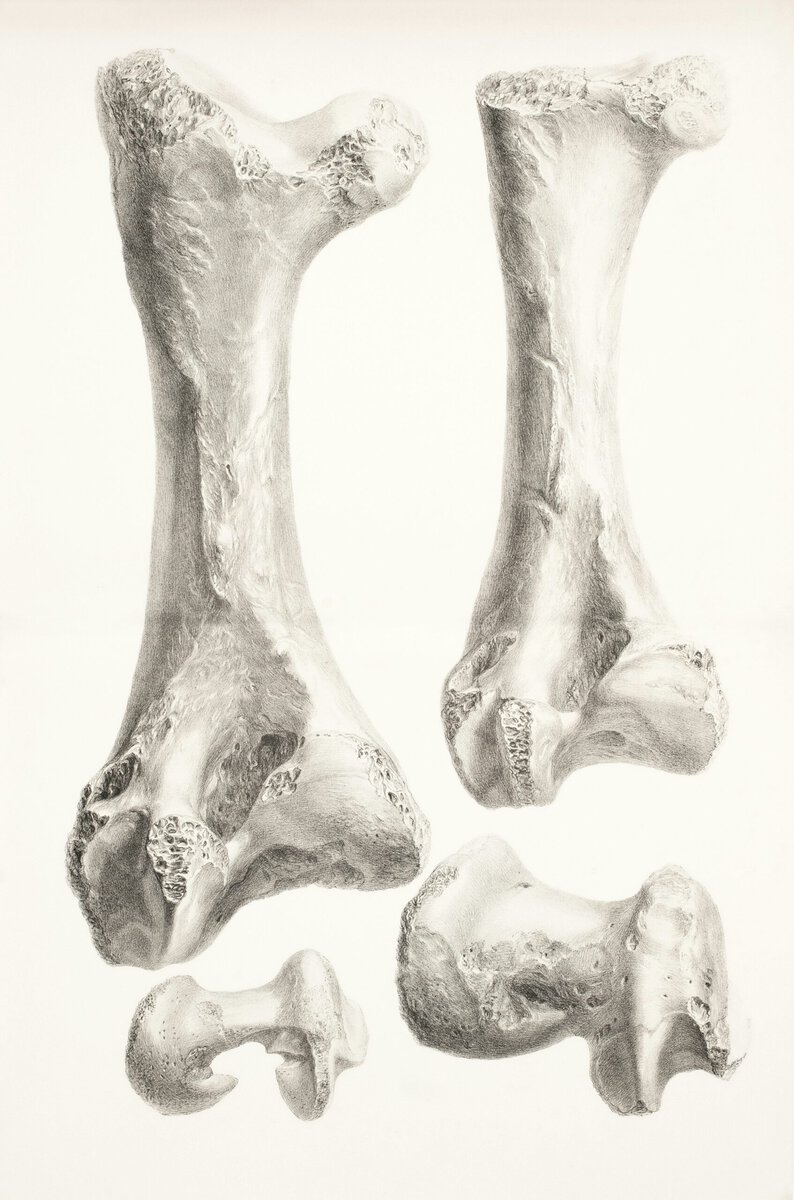
The researchers analyzed Pleistocene bear skeletal material recovered from Portuguese sites, using limb-bone dimensions and other measurable skeletal proxies to estimate body size and track how that size changed across different time horizons. The dataset is regional — this is a study of Portugal’s fossil record specifically, not a pan-European survey — and broader geographic replication would meaningfully strengthen its conclusions. That caveat noted, the size trajectory the study documents is the headline: across thousands of years, Iberian brown bear populations trended progressively smaller.
The correction of earlier misidentifications is itself scientifically significant. The absence of cave bears in Portugal refines the known southern range limit of Ursus spelaeus and illustrates how consequential it can be to assume that any unusually large bear fossil must belong to the cave bear lineage. Phys.org has reported on the study’s central finding: that what Portugal had were not cave bears, but brown bears of a size that no longer exists anywhere on Earth.
Scientists use the term selective size reduction to describe the process by which external stressors cause a population to trend toward smaller body sizes over successive generations. The Portugal fossil record, the study argues, shows precisely this pattern playing out across deep time.
How Human Hunting Can Make Animals Smaller
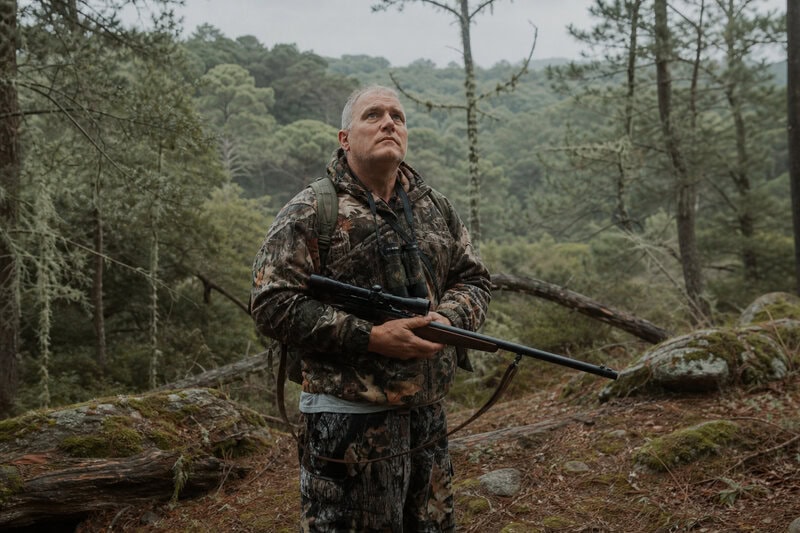
The mechanism the researchers invoke is well-established in evolutionary biology, even if its application to prehistoric bears remains actively debated. When hunters consistently target the largest, most visible individuals in a population — the biggest males, the heaviest animals — they remove those genes from the breeding pool. Over generations, smaller body size becomes a heritable trait in the surviving population. Biologists call this process harvest-induced evolution, or more broadly, anthropogenic size selection.
This is not a fringe hypothesis. Harvest-induced evolution is documented across multiple well-studied species. Bighorn sheep in North America subjected to trophy hunting showed measurable declines in horn size and body mass within decades. Atlantic cod populations under intensive commercial fishing shifted toward smaller average body size and earlier sexual maturity within a historically compressed timeframe. These cases give the Portugal bear hypothesis a robust biological framework. The question is not whether the mechanism exists, but whether it was operating on Iberian brown bears thousands of years ago.
The study’s authors argue that the timing and pattern of size reduction in Portugal’s bears does not fit neatly with climate-driven explanations alone. Bergmann’s Rule — the ecological observation that animals in colder climates tend to evolve larger body sizes — does predict that bears should trend smaller as Ice Age climates warmed. But the researchers contend that climate change as a sole explanation is insufficient to account for the pattern they observed, and that human hunting pressure must be considered as an additional or primary driver.
It is important to flag the contested terrain honestly. Disentangling human pressure from climate pressure in the fossil record is methodologically difficult. The human-hunting hypothesis, while plausible and supported by the broader framework of harvest-induced evolution, remains an interpretation. It requires further corroboration — particularly from direct archaeological evidence such as bear-bone butchery marks at human occupation sites contemporaneous with the size-reduction signal in the fossil record.
Iberia as a Unique Laboratory for Bear Evolution
The Iberian Peninsula occupies a special position in Pleistocene biology. During the cold peaks of the Ice Age, it functioned as a glacial refugium — a geographic pocket where temperatures remained survivable and species persisted even as they were extinguished across much of northern Europe. This means Portugal’s bear fossil record is unusually continuous, offering a longer and more unbroken window into long-term evolutionary trends than many other European sites can provide.
Human presence in Iberia during the Pleistocene is well-documented. Neanderthals occupied the peninsula for hundreds of thousands of years. Anatomically modern Homo sapiens arrived later and were capable, documented hunters of large game. Both populations represent historically plausible actors who could have exerted the kind of chronic hunting pressure the study proposes. The timeline of shrinkage — unfolding across thousands of years rather than centuries — is precisely what harvest-induced evolution predicts when hunting pressure is sustained rather than catastrophic. A slow signal, accumulated across many generations, is the expected biological signature.
From Ancient Giant to Extinction: Portugal’s Bears in Historical Time
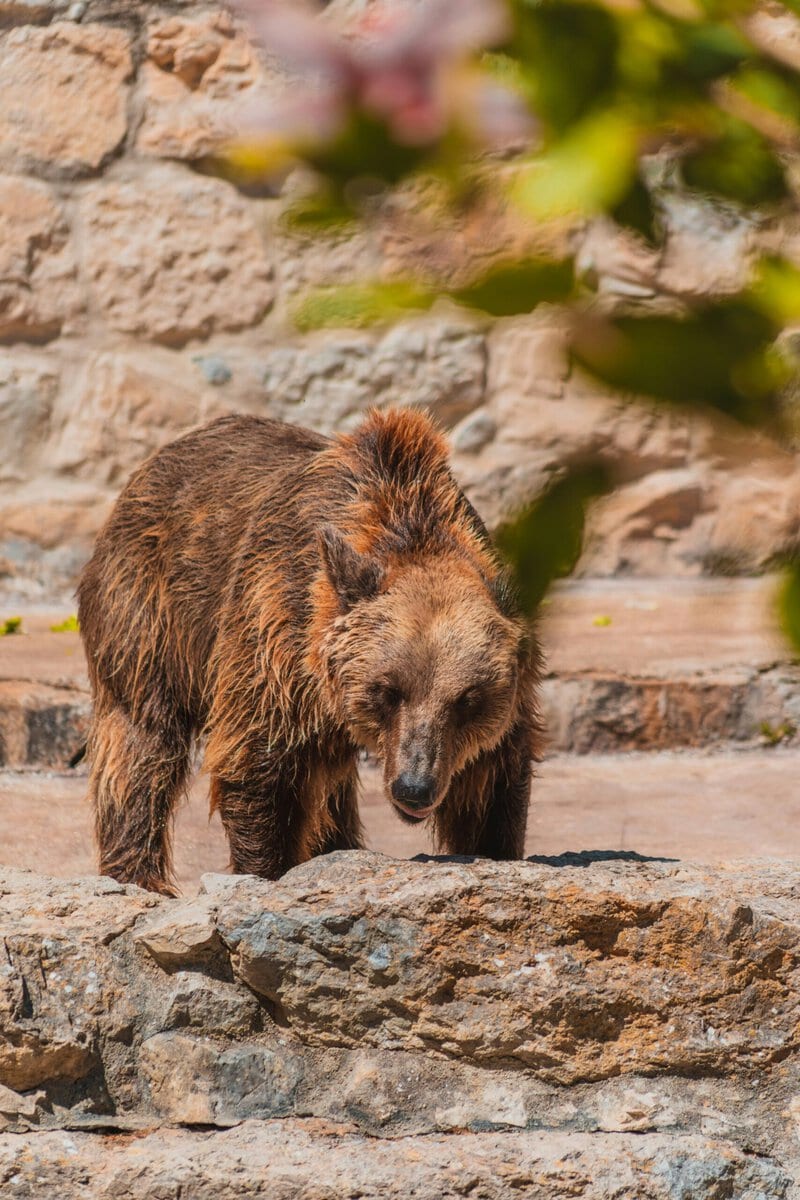
By the time written historical records begin, brown bears in Portugal were already a shadow population, retreating into mountain refuges as human settlement, agriculture, and deliberate persecution expanded across the peninsula. The end of that story arrived with a specific, recorded date: the last confirmed brown bear in Portugal was reportedly killed in 1843, making the country one of the earlier Western European nations to lose its top ursine predator entirely.
Portugal’s bears are now classified as nationally extinct — formally extirpated — placing them in the same grim category as the Iberian lion and, far earlier, the aurochs. What the fossil record suggests is that this final extinction was not a sudden event imposed on a healthy population, but rather the terminal chapter of a biological story that had been unfolding for millennia.
The coda to that story is unexpected. A brown bear was confirmed in Portugal for the first time since 1843, almost certainly a wanderer from the small but recovering Cantabrian brown bear population in northern Spain. The sighting does not signal a population recovery — one individual crossing a border does not constitute recolonization — but it demonstrates that ecological history is not always permanently closed.
Why This Finding Matters Beyond Portugal
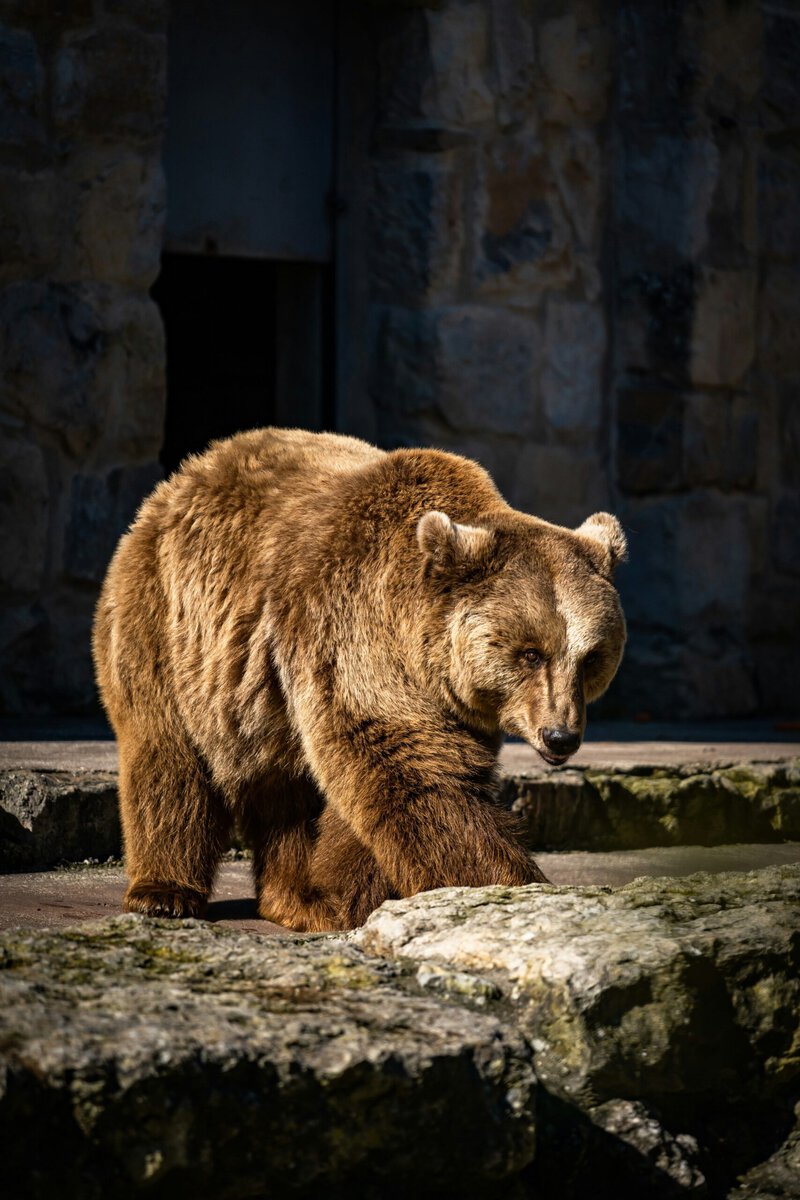
The broader implication of the Portugal study is unsettling in proportion to how widely the mechanism may apply. If chronic human hunting can drive measurable, heritable size reduction in a large apex predator over thousands of years, then the impressive animals preserved in natural history museum displays and wildlife documentary footage may already be evolutionary shadows of what their ancestors were — shaped by millennia of human selection pressure that scientists are only beginning to systematically account for.
This reframes what conservation biologists call the shifting baseline problem. Rewilding and ecological restoration projects typically aim to return ecosystems to something resembling a pre-industrial state. But if human hunting was already reshaping animal body sizes thousands of years before industrialization — before organized agriculture, before firearms — then the baseline those projects are targeting may itself be an anthropogenically altered condition. The brown bears of medieval Europe, the wolves of the Roman period, the aurochs of the Bronze Age: none of these may have been the same animals, in body size or in ecology, as their deep-prehistoric ancestors.
The Portugal research adds to a growing body of evidence — encompassing work on mammoths, giant deer, and Pleistocene megafauna across multiple continents — suggesting that the human hand in reshaping animal evolution reaches far deeper into prehistory than the industrial era or even recorded history.
For wildlife managers and policymakers, the practical implication is concrete. Hunting regulations designed to protect the largest individuals in a population — rather than specifically targeting them as trophies — are not merely an aesthetic or ethical preference. This research suggests they may be essential to preventing the slow evolutionary erosion of body size that humans have been inadvertently engineering for thousands of years.
Open Questions and the Road to Replication
The Portugal study represents a compelling regional case, but the human-hunting hypothesis needs additional lines of evidence before it can move from plausible to confirmed. Researchers need to pair the fossil size-reduction data with archaeological evidence from human occupation sites — butchery marks on bear bones, hunting assemblages, and proxies for human population density — that demonstrate the temporal overlap and intensity of human predation required to produce a generational evolutionary signal.
Genomic analysis of ancient DNA extracted from the Portuguese fossil material would offer an independent test. If the size reduction carries a genetic signature consistent with directional selection pressure — rather than the more diffuse developmental changes associated with resource scarcity during climate shifts — that would substantially strengthen the human-hunting explanation and help resolve the central ambiguity the current study leaves open.
The recent confirmed bear sighting in Portugal also opens a longer-term conservation conversation. Should the Iberian Peninsula, and Portugal specifically, be evaluated as a candidate for formal brown bear reintroduction? If so, what does the fossil record tell us about what a genuinely natural Iberian bear population looked like before thousands of years of human influence began reshaping it? These are questions the bones in Portugal’s caves cannot yet fully answer — but they are questions that the bones have, in an important sense, now made it possible to ask.
The skeletal remains buried in Portugal’s Pleistocene sites are not simply a record of animals that lived and died across the Ice Age. They are a slow-motion archive of how humans reshape life on Earth, written in the progressively shrinking skeletons of bears that once stood among the largest predators on the continent.