
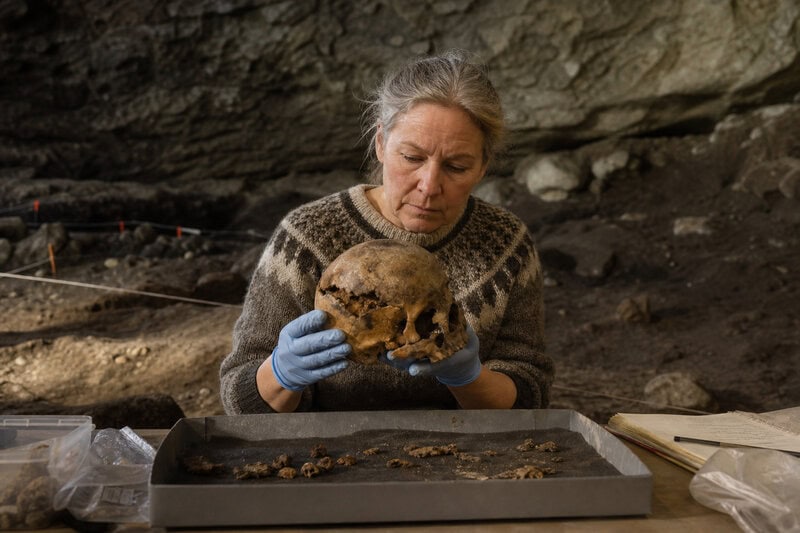
Fragments of a child’s skull, pulled from the sheltered darkness of a coastal Norwegian cave and dated to approximately 4,000 years ago, are giving researchers one of their clearest windows yet into how farming first reached Scandinavia’s rugged western edge. The find, made by a team at the University of Bergen, is not merely a curiosity of ancient bone — it is a data-rich artifact that, combined with modern analytical techniques, links Norway’s deep prehistoric past to a continent-wide agricultural revolution whose full story is still being written.
A Small Skull, A Giant Leap Back in Time
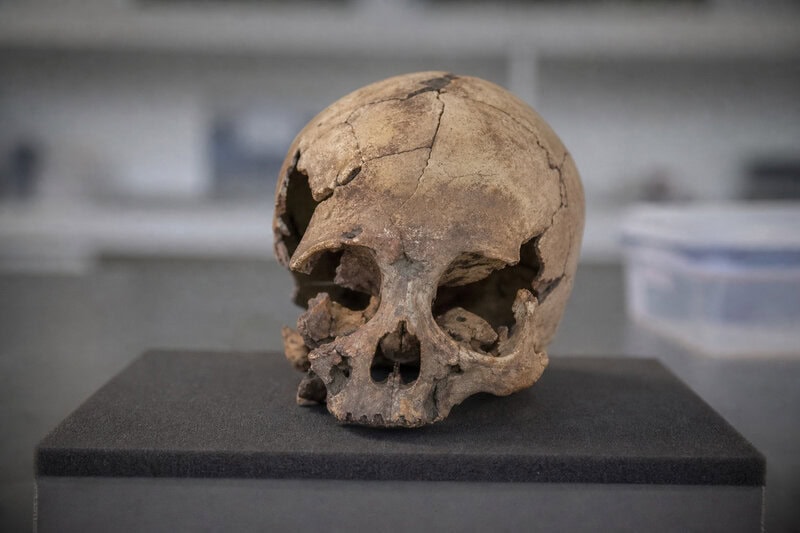
Among the oldest human remains ever recovered in Norway, these cranial fragments represent something rare in a country where skeletal evidence from the Neolithic period — the New Stone Age, running roughly from 4000 to 1800 BCE in Scandinavia — is exceptionally scarce. The University of Bergen research team located the remains at a cave site on Norway’s west coast, a landscape of fjords and sea cliffs that, nearly four millennia ago, looked markedly different from today: sea levels were lower, and dense postglacial forest pressed into the coastal highlands. The cave’s sheltered environment is almost certainly the reason any recoverable biological material survived at all — Norway’s notoriously acidic soils destroy organic matter rapidly, and open-air Neolithic burials rarely yield usable skeletal remains.
According to reporting on the discovery and its implications for early prehistoric farmers of Norway, the find is described as shedding genuine scientific light on farming communities of the period — a carefully measured phrase that signals real significance while acknowledging that full analysis is still underway.
What Was Found and Why Bone Fragments Matter So Much
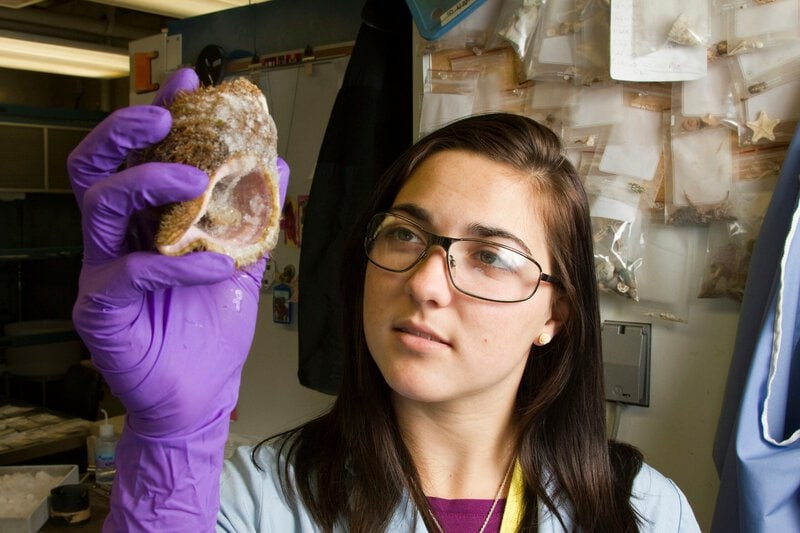
Cranial fragments are among the most informationally dense materials an archaeologist can recover. Skull shape and growth plates can reveal a child’s approximate age at death and, in some cases, biological sex. Dental development — where teeth are present — provides a precise developmental timeline and can expose evidence of nutritional stress or illness during life. Critically, the dense petrous bone located behind the ear is the single best-preserving reservoir of ancient DNA in the human skeleton, routinely yielding usable genetic material even when surrounding bone has degraded beyond recovery. Its presence in a child’s skull of this age and condition makes the Bergen find unusually promising for genomic study.
The remains were found in association with material evidence consistent with early Neolithic farming communities. The designation “early prehistoric farmers” is grounded in the broader archaeological context of the site, which may include pottery styles, animal bone assemblages, and other material culture characteristic of farming groups active in the region during this period. What has not yet been fully published or confirmed is the child’s complete genomic profile and precise cultural affiliation. The scientific case is illuminating, but not yet closed.
Who Were Norway’s First Farmers?
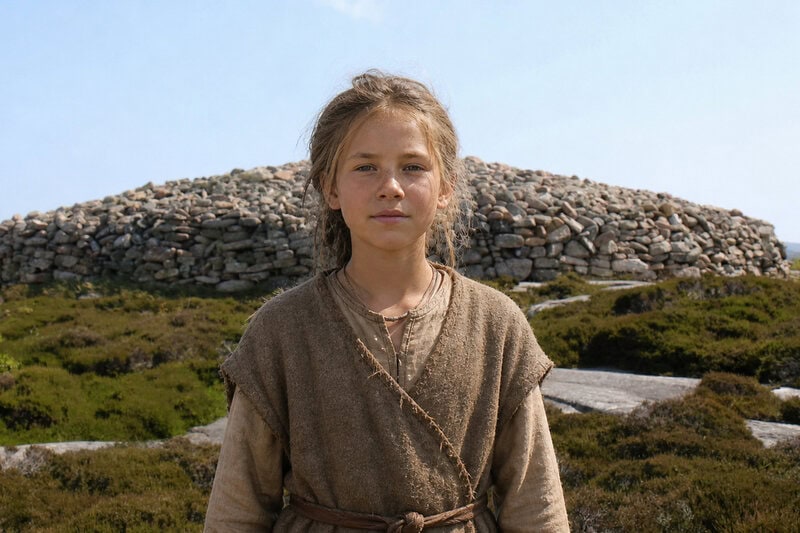
To understand why this discovery matters, it helps to understand the Neolithic transition itself. Roughly 6,000 years ago, populations of hunter-gatherers across Europe began encountering — and in many regions were largely replaced by — people who kept domestic animals, cultivated crops, and established permanent settlements. Genomic studies published in journals including Nature and Science between 2015 and 2022 established a clear consensus: farming spread into northern Europe primarily through the migration of people with Anatolian-descended ancestry, tracing back to what is now Turkey and the Levant, rather than simply through the adoption of farming ideas by existing hunter-gatherer populations.
Norway presents a specific and still-contested puzzle within that broader story. Scandinavia was one of the last regions of Europe to receive farming. Its west coast in particular remained a stronghold of hunter-gatherer populations — associated archaeologically with the Ertebølle culture — even as agricultural communities belonging to the Funnel Beaker culture (known by its German acronym TRB, for Trichterbecherkultur) expanded northward from what is now Germany and Denmark. Farming arrived in southern Scandinavia around 4000-3900 BCE; what remains actively debated is the precise timing, route, and demographic character of its arrival on Norway’s Atlantic coast specifically.
Researchers working across archaeology and prehistoric population studies disagree on whether farming’s spread to Norway’s west coast was driven by large-scale migration of Anatolian-descended farmers, a smaller-scale elite diffusion, or a more complex mosaic of interaction and intermarriage with indigenous hunter-gatherers. A child’s remains speak directly to this question in a way that adult remains often cannot: subadult individuals reveal whether a farming community was locally reproducing across generations — indicating a settled, multigenerational resident population — rather than representing a temporary adult trading outpost or seasonal encampment.
The Science: How Bone, DNA, and Chemistry Tell a Life Story
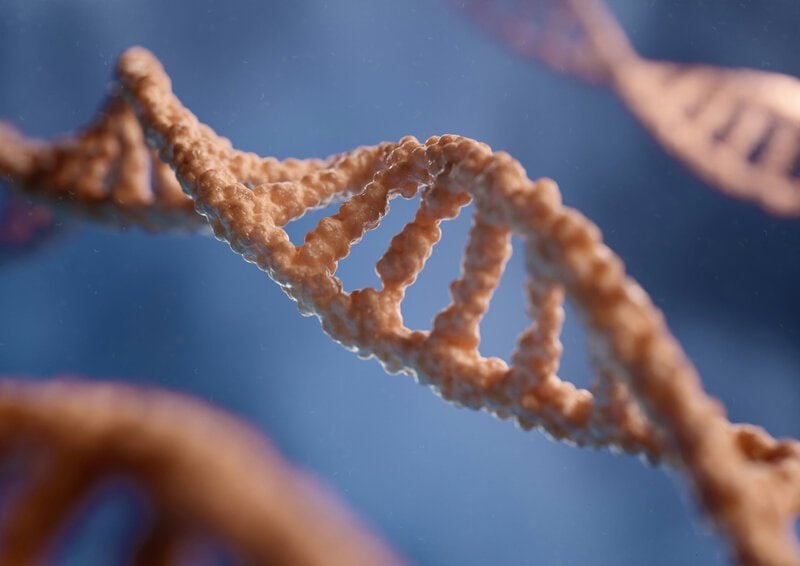
Three overlapping analytical methods will determine how much this discovery ultimately reveals.
The first is ancient DNA analysis. Scientists extract genetic material from dense skeletal elements such as the petrous bone, sequence it, and compare it against reference panels of ancient and modern populations. This process can identify ancestry, biological relatedness to other individuals, dietary genetic adaptations, and markers of disease resistance — all without a single written word from the people involved.
The second is osteology, the formal study of bones. Even without any recoverable DNA, the skull’s morphology can establish the child’s developmental stage, offer clues about health during life, and place the individual within broader patterns of physical variation seen across prehistoric European populations.
The third method is stable isotope analysis — measuring ratios of carbon, nitrogen, and strontium atoms locked permanently into tooth enamel during childhood growth. Carbon and nitrogen ratios reveal diet: specifically, whether the child ate primarily marine or terrestrial foods, and what proportion of their nutrition came from cultivated grains versus wild sources. Strontium ratios, which vary geographically based on underlying geology, can indicate whether the child was born locally or had migrated from elsewhere during their lifetime — a detail with significant implications for understanding whether farming communities on Norway’s coast were resident populations or mobile groups passing through.
One transparency caveat is worth stating plainly. Ancient DNA degrades over millennia, and Norway’s acidic soils accelerate that destruction. The cave’s protected microenvironment may be the precise reason any usable genetic material survived here when it would not have survived elsewhere nearby. Researchers and readers alike should interpret eventual genomic results with that preservation bias in mind: the cave selects for a specific depositional context and may not represent the full range of Neolithic activity across the region.
Norway’s Place in the Ancient DNA Map of Scandinavia
Earlier landmark research — including large consortium studies of Scandinavian prehistory associated with researchers such as population geneticist Eske Willerslev — established that the region experienced at least two major prehistoric genetic turnovers: first by Anatolian-descended farmers, and subsequently by Yamnaya-related steppe herders arriving from the Pontic-Caspian region. These findings, replicated across multiple studies, represent the established scientific consensus for Scandinavia broadly.
A wave of ancient DNA studies published in 2022 and 2023 dramatically expanded sample sizes for Sweden and Denmark, sharpening the genomic picture of those countries’ prehistoric populations considerably. Norway — and its western coast in particular — remained a significant gap in that record, largely because Norwegian Neolithic archaeology has historically relied on material culture such as pottery, flint tools, and megalithic tomb architecture rather than on human skeletal remains. Any Norwegian skeletal find with DNA potential is therefore disproportionately valuable to researchers attempting to close that gap.
The west coast’s geography adds another dimension of importance. Accessible by sea, the Norwegian Atlantic coast may have served as a maritime corridor for farming populations moving northward along the Atlantic façade of Europe — a route distinct from the well-documented inland spread of agriculture through central Europe, and one that remains genomically undersampled compared with those inland paths. If ancient DNA analysis of the Bergen skull confirms Anatolian farmer ancestry, it would push the confirmed presence of immigrant farming communities further north and potentially earlier in time than previously documented for this specific stretch of coastline.
Open Questions and the Road to Answers
The current framing of this find as “shedding light” on early prehistoric farmers reflects a discovery phase, not a completed case. Full genomic sequencing, cross-validated radiocarbon dating, stable isotope dietary profiling, and comparative morphological study must all be completed and subjected to peer review before definitive conclusions can responsibly be drawn.
The central question researchers will attempt to answer is straightforward to state, if genuinely difficult to resolve: does this child’s ancestry align with Anatolian-descended Funnel Beaker farming populations, with local Scandinavian hunter-gatherers, or with an admixed community representing sustained contact and intermarriage between the two groups? Each answer carries different implications for how abrupt or gradual the Neolithic transition was on Norway’s west coast — and whether it more closely resembles the migration-driven replacement documented for Britain and Ireland or the more mosaic patterns observed in parts of continental Europe.
The University of Bergen team’s cave excavation is likely part of a broader survey program of coastal Neolithic sites, meaning this skull may be the first of multiple finds that together could begin to map the demographic contours of early farming along Norway’s Atlantic edge. As analysis progresses, the research community will be watching closely. In prehistoric population genetics, individual-level evidence of this quality — from a region this poorly sampled — carries scientific weight far exceeding the small physical size of the bones themselves.
A single child’s remains cannot, by themselves, rewrite prehistoric history. But they represent precisely the kind of high-resolution, individual-level evidence that, accumulated across sites and interpreted with modern genomic and isotopic tools, is steadily transforming how science understands who the first farmers of northern Europe actually were, how far they traveled, and what ultimately became of them.