
Buried in Taiwan’s fossil record was a bird bigger than any peacock alive today — magnificent, endemic, and utterly unknown to science until a team of researchers looked closely at bones that had waited tens of thousands of years to tell their story. The discovery of Pavo miejue, an Ice Age peafowl, is one of those rare moments when paleontology pulls a lost world briefly back into view.
A Giant Bird Hidden in Stone
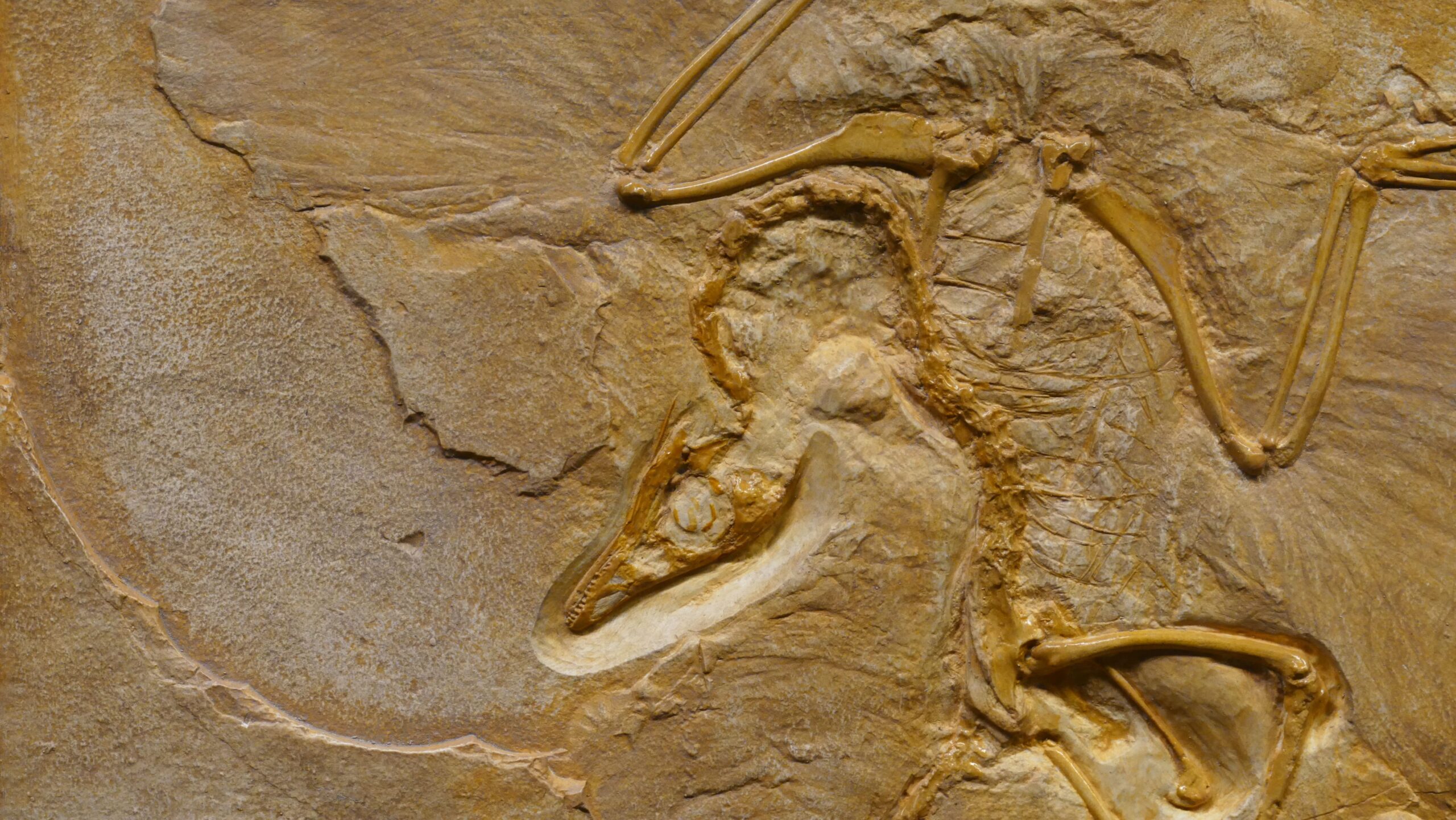
Researchers at National Taiwan University have formally identified a previously unknown extinct species of peafowl from fossil evidence discovered in Taiwan. Reported in June 2026, the finding is documented in a peer-reviewed study titled A new Pleistocene peafowl from Taiwan reveals the extinction of a large galliform bird in East Asia, and it introduces the world to a creature that vanished long before written history began.
The species has been named Pavo miejue — a name that carries its own quiet gravity. The word miejue means “extinct” in Chinese, making the full name a fitting epitaph for an animal lost to deep time. It is both a scientific designation and an acknowledgment of irreversible loss: a lineage that evolved, flourished, and disappeared on an island where no one had previously suspected a peacock had ever lived.
What Made This Peacock Extraordinary
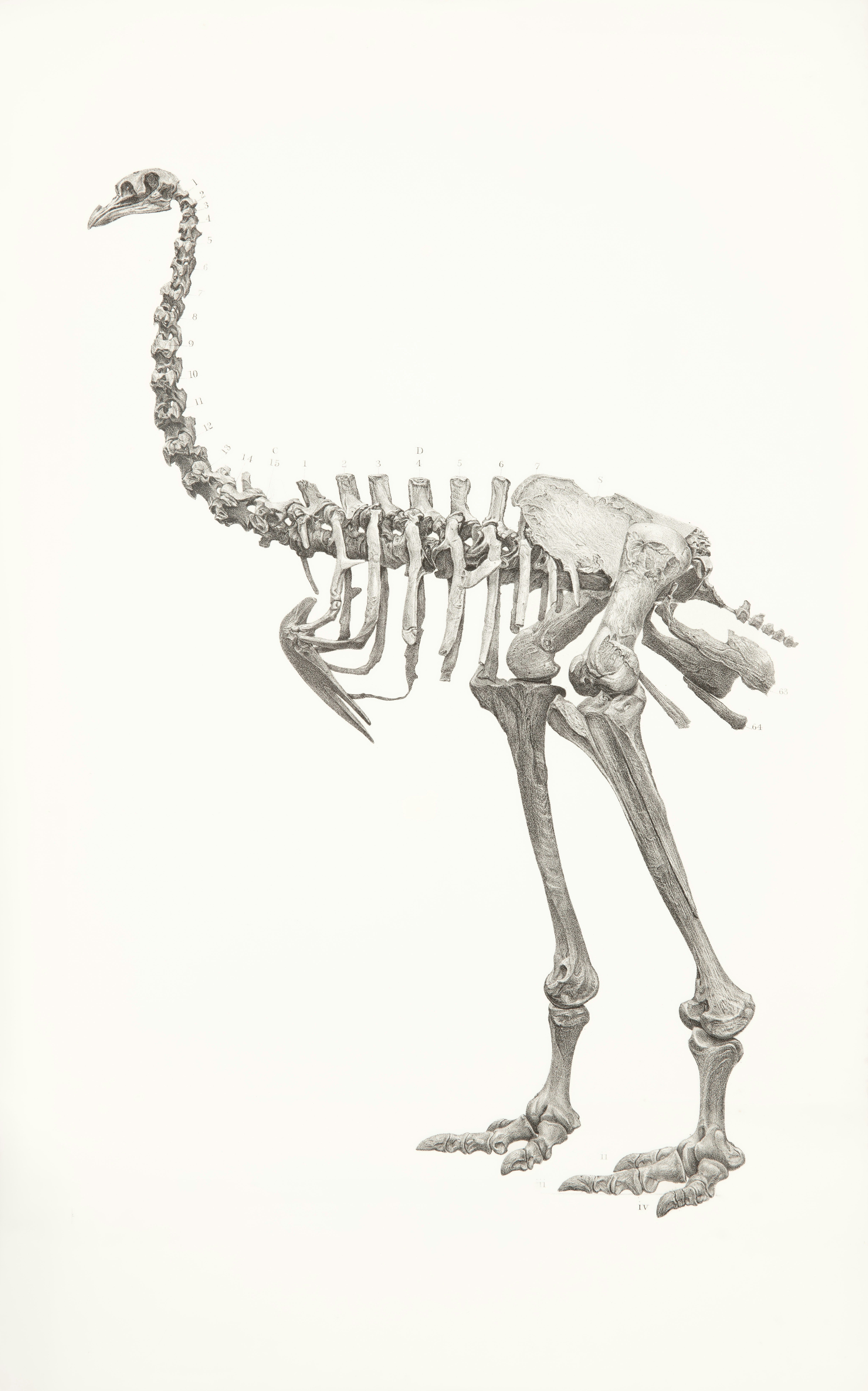
Pavo miejue is classified as a Pleistocene peafowl, placing its existence within the Ice Age epoch that ended roughly 11,700 years ago. But its significance goes beyond its age. The species is described as the largest endemic bird ever identified from Taiwan — dwarfing the island’s modern avifauna and representing a scale of animal that the island’s ecosystems no longer support.
Endemism — the condition of existing nowhere else on Earth — makes this discovery especially striking. Pavo miejue was not a visitor or a migrant passing through. It evolved in Taiwan and lived there exclusively, which means its extinction was total. When it disappeared, so did every individual of its kind, anywhere in the world. Its loss represents the complete erasure of a large galliform bird — the group that includes peacocks, pheasants, turkeys, and their relatives — from East Asia’s fauna.
How Paleontologists Identify a New Species from Fossils
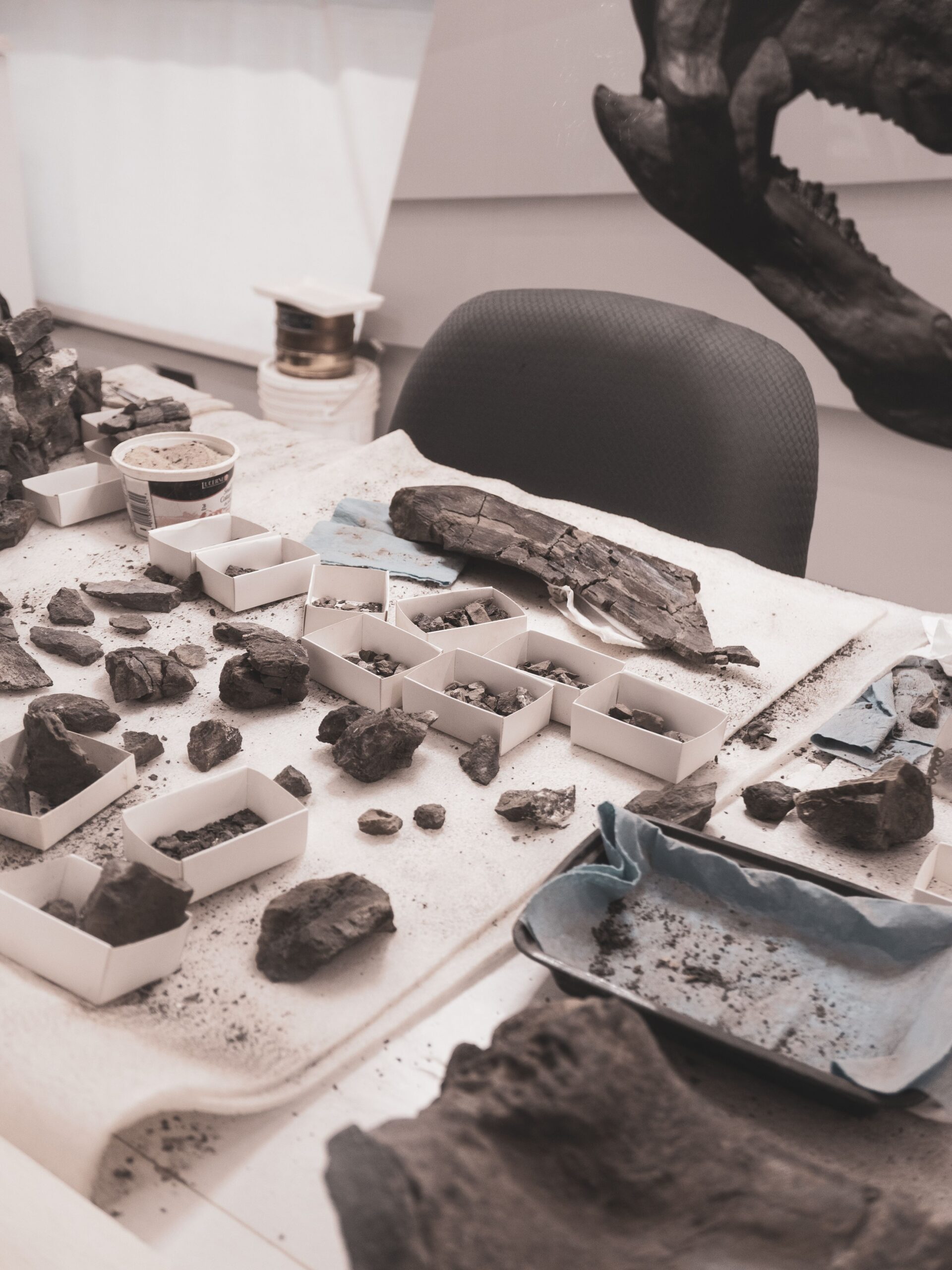
Identifying a genuinely new species from fossil material is painstaking work. It requires researchers to compare bone morphology — the shape, structure, and proportions of skeletal remains — against exhaustive records of known species, looking for characteristics that cannot be explained by individual variation, age, or sex differences within an existing lineage.
Paleontologists examine features including bone density, joint architecture, and the relative proportions of skeletal elements. Each of these can carry evolutionary signatures that distinguish one species from another, even when the overall form looks superficially similar. For older Pleistocene specimens, direct ancient DNA analysis is rarely possible given degradation over time, so the identification case rests on skeletal morphology — demanding a rigorous standard of anatomical evidence before a new name can be formally applied.
The National Taiwan University team’s analysis met that threshold. By demonstrating a sufficient suite of distinct anatomical characteristics — features that set the fossil material apart from both living peacock species and other known extinct relatives — they established the scientific basis for naming Pavo miejue as something genuinely new to knowledge. Focus Taiwan reported on the findings following the study’s release.
Taiwan as an Ice Age Biodiversity Hotspot

The existence of Pavo miejue makes more sense when viewed against the backdrop of Ice Age geography. During the Pleistocene, sea levels were dramatically lower than they are today — low enough, at intervals, to expose land bridges connecting Taiwan to the Asian mainland. These connections allowed animal populations to move onto the island, after which rising seas could isolate them, cutting off gene flow and setting the conditions for independent evolution.
This cycle of connection and isolation is a well-documented engine of endemism. Populations separated from their mainland relatives face different selective pressures, different prey and predators, and different vegetation — and over generations, they diverge into distinct species. Taiwan’s fossil record has previously yielded evidence of other Ice Age megafauna, suggesting the island once supported a richer, larger-bodied community of animals than its modern wildlife would imply. Pavo miejue adds a striking new entry to that picture, and deepens understanding of how Ice Age Taiwan’s ecosystems actually functioned.
The Phasianidae Family Tree: Where Peacocks Fit
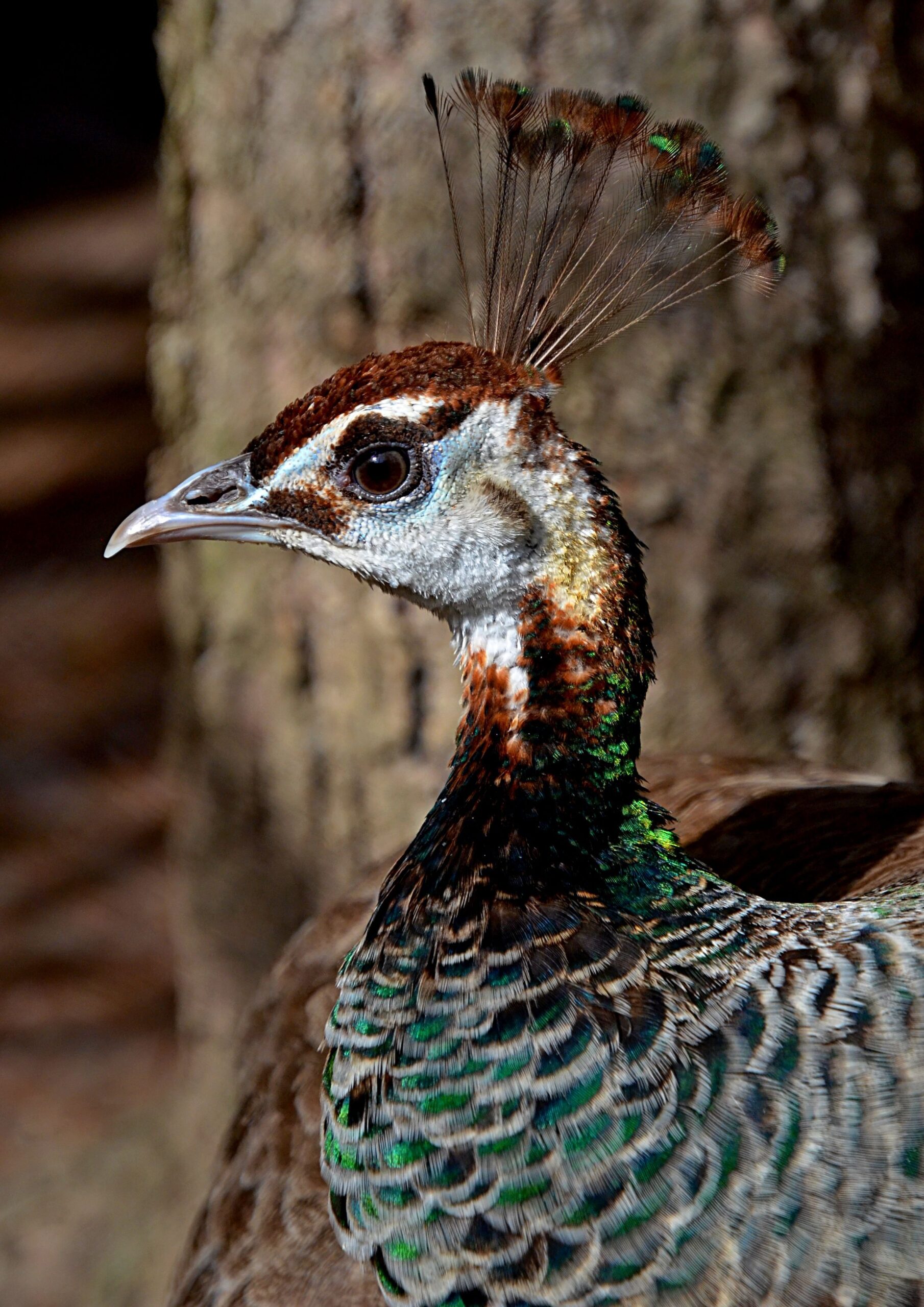
Peacocks belong to Phasianidae, one of the most evolutionarily successful bird families on the planet, with origins stretching back tens of millions of years. The family encompasses an enormous range of birds — pheasants, partridges, quails, grouse, and turkeys among them — and has proven adaptable across a wide variety of habitats and climates.
The two living peacock species, the Indian peafowl (Pavo cristatus) and the Green peafowl (Pavo muticus), are native to South and Southeast Asia. The existence of an extinct Taiwanese peafowl therefore represents a significant geographic data point: it suggests that the genus Pavo once occupied a broader range across East Asia than surviving species alone would indicate. Each extinct Phasianidae species that researchers recover and formally identify helps scientists map the ways that climate shifts, sea-level changes, and habitat transformation have shaped the evolutionary history of modern birds — and illuminates why today’s distribution of species looks the way it does.
Why Did the Ice Age Peacock Disappear?
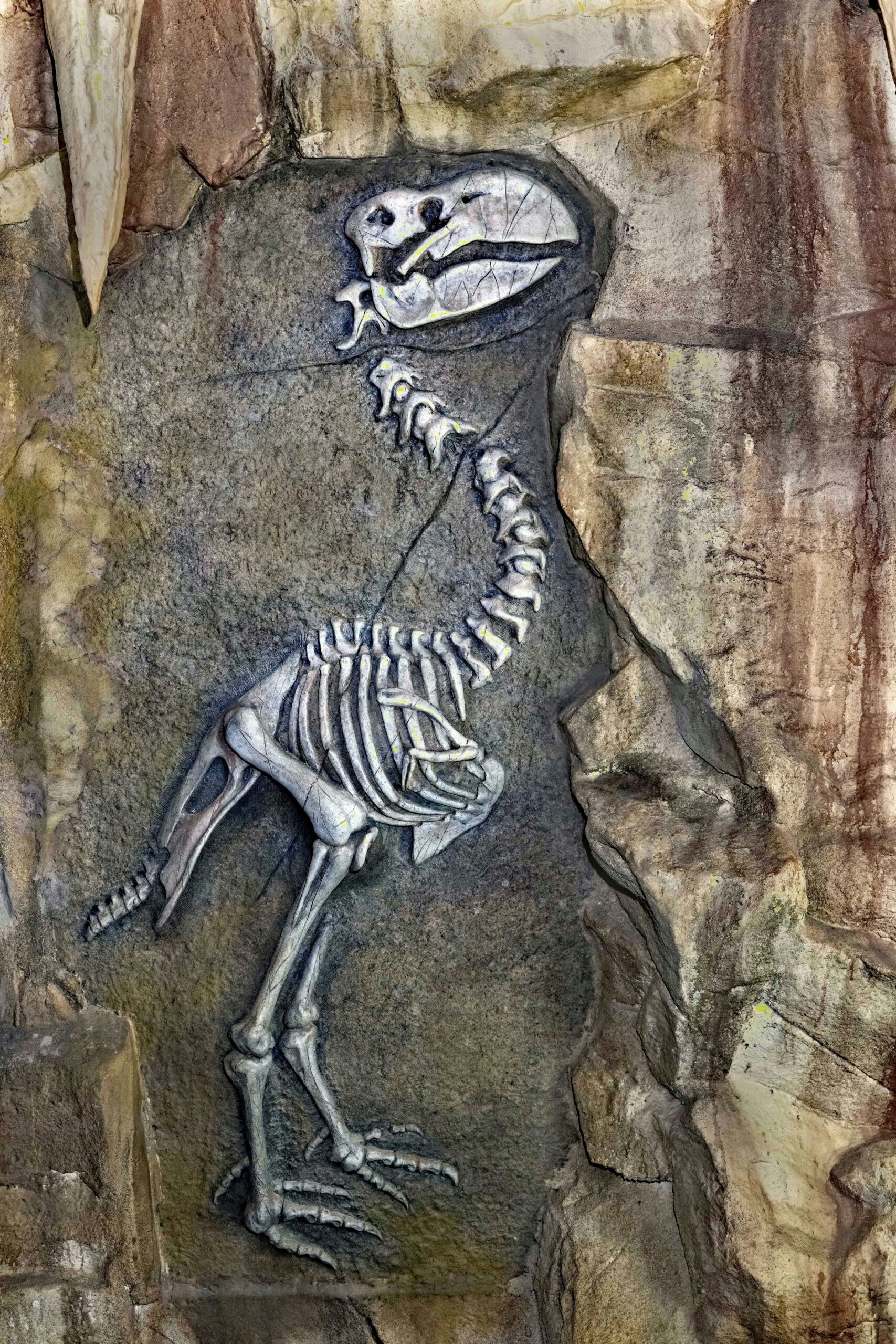
The extinction of Pavo miejue almost certainly had multiple causes working in combination. Pleistocene bird extinctions across East Asia were driven by climate change, habitat transformation, and — increasingly toward the end of the epoch — the expansion of human populations. As the Ice Age ended, dramatic shifts in vegetation reshaped the forest and grassland habitats that large galliforms depend on, potentially fragmenting or eliminating the ecosystems this peacock relied upon.
Large-bodied endemic species are particularly vulnerable to these pressures. They tend to reproduce slowly, require significant territory, and may lack the behavioral or physiological flexibility to adapt quickly to rapid environmental change. A species confined to a single island, with no refuge elsewhere, has nowhere to go when conditions deteriorate. The researchers frame Pavo miejue‘s disappearance as part of a broader pattern of large galliform bird loss across East Asia — a trend with uncomfortable resonance in what is happening to global biodiversity today.
Why This Discovery Matters Now
Every newly identified extinct species expands the baseline that scientists use to understand what genuinely biodiverse, ecologically intact ecosystems looked like before human activity altered them. Pavo miejue is a vivid reminder that extinction is not only a modern crisis — entire spectacular lineages have vanished from regions where no trace of them was previously suspected, taking with them ecological roles and evolutionary history that can never be fully recovered.
The methods used by the National Taiwan University team continue to advance. Improved imaging technologies, refined comparative databases, and growing repositories of skeletal reference material mean that more lost species likely await recognition — in museum collections, in unstudied fossil archives, and in sites yet to be excavated. Understanding Pleistocene bird extinctions also informs conservation strategy in the present, sharpening scientists’ sense of which species, habitats, and pressures demand the most urgent attention before living relatives of birds like Pavo miejue follow the same path.
For now, a peacock that no living person has ever seen has a name, a place in the scientific record, and a story worth telling. The Taipei Times covered the announcement as researchers shared their findings with the wider world — ensuring that Pavo miejue, the extinct peacock, is at least remembered.