
On the morning of June 12, 2026, a Falcon 9 rocket lifted off from Cape Canaveral on a routine Starlink mission — and then its first-stage booster came back down and landed itself, as if returning a borrowed tool to a shelf. At almost the same moment, SpaceX stock began trading on the Nasdaq for the first time. The two events are really the same story: a company that rewrote the physics of rocket flight and, in doing so, rewrote the economics of getting to space.
The Day a Booster Landed and a Stock Debuted

The timing of SpaceX’s Starlink launch and its Nasdaq trading debut on June 12, 2026 was not purely coincidental — it was a statement. SpaceX had locked in $75 billion in conjunction with its IPO process, a figure that underscored how a rocket company built on radical reusability had become one of the most valuable industrial enterprises on Earth.
Wall Street did not simply accept Elon Musk’s stated valuation. Analysts assessed SpaceX stock as worth roughly half of Musk’s stated price, setting up a substantive debate about what reusability is actually worth as a long-term asset. To engage that debate seriously, you first have to understand the engineering — because the economics are entirely inseparable from the physics.
Why Rockets Were Treated as Disposable for 60 Years
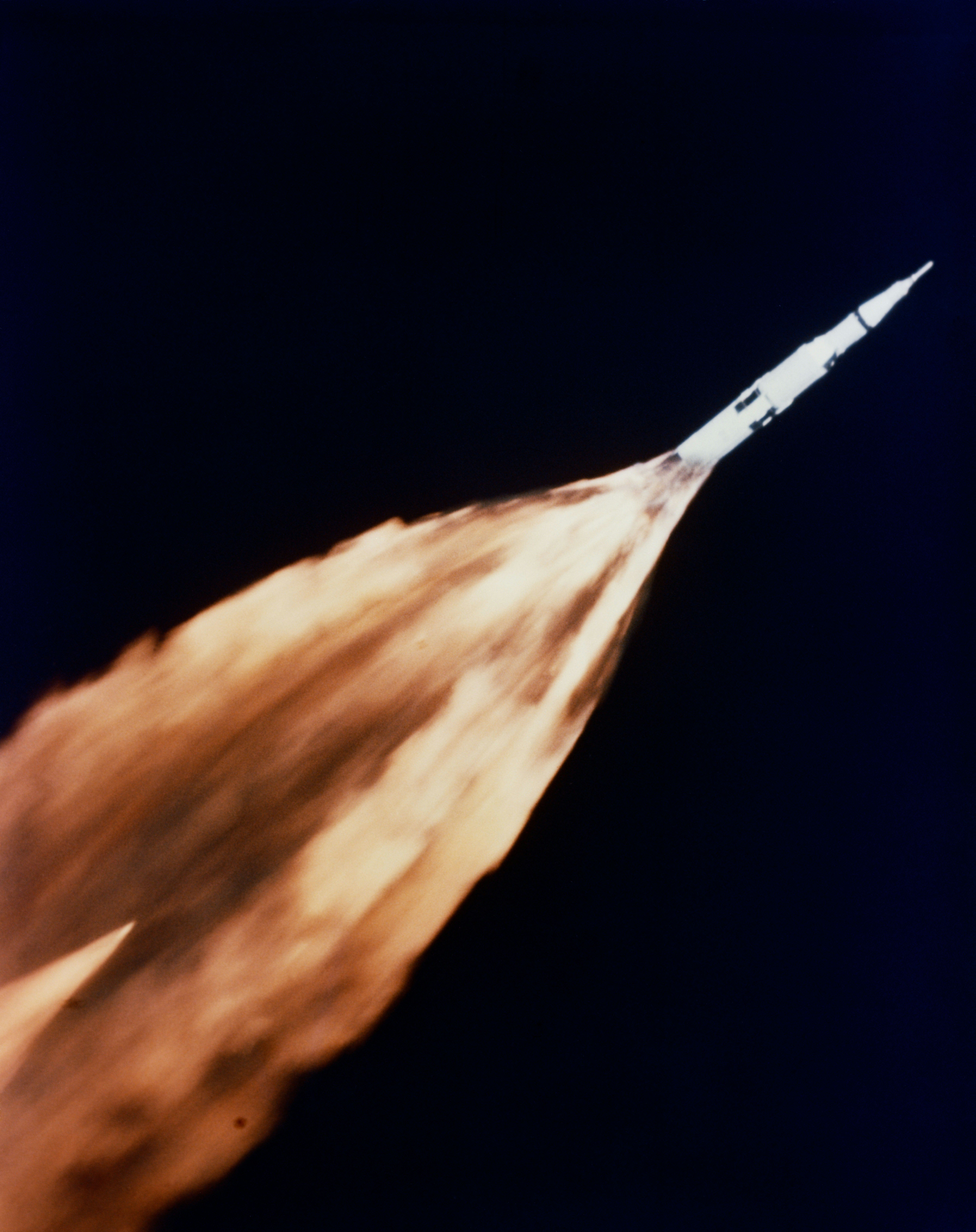
The disposable rocket was not an act of laziness or shortsightedness. It was a considered engineering position rooted in the origins of spaceflight itself. Early space programs borrowed their logic directly from ballistic missiles: build it, burn it, lose it. The hardware experienced extreme stresses during launch — violent vibration, intense aerodynamic heating, acoustic loads powerful enough to damage structures, and the chemical violence of high-thrust combustion — and engineers concluded that safely and economically reconditioning it for a second flight was not practical with the materials and manufacturing techniques then available.
That assumption calcified into industry doctrine over decades. Traditional launch vehicles like the Atlas V and Ariane 5 shed their expensive first stages into the ocean after every mission, discarding the most costly component of the entire system each time. Building a new first stage from scratch cost roughly $30 to $50 million per vehicle, a price absorbed into every government and commercial satellite contract without serious challenge for generations.
SpaceX’s founding premise — borrowed not from aerospace tradition but from commercial aviation economics — was that this model was obviously unsustainable. No airline survives by scrapping its aircraft after a single flight. The question was whether rockets could be made to behave more like airplanes. The answer required solving genuinely hard physics problems that the industry had previously treated as intractable.
The Physics of Getting a Booster Back
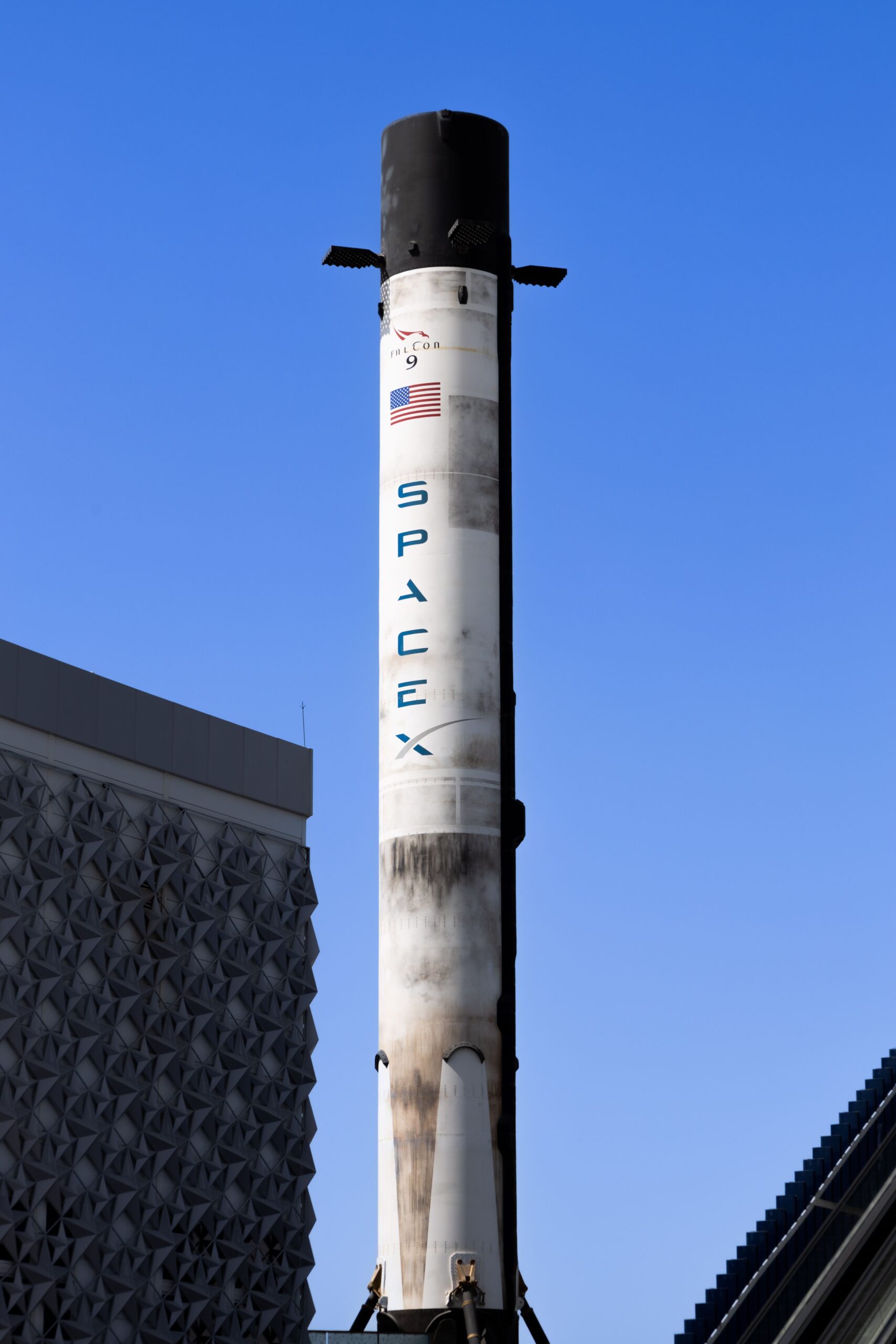
A Falcon 9 first stage separates from its upper stage at an altitude of roughly 70 kilometers, traveling at hypersonic speed. At that moment it is an expensive piece of falling metal, and the atmosphere it is about to re-enter will attempt to destroy it through aerodynamic heating and mechanical stress simultaneously.
SpaceX engineers designed a carefully choreographed sequence of engine burns to manage the return. A boostback burn reverses the booster’s downrange trajectory. An entry burn bleeds off velocity before the vehicle reaches the densest part of the atmosphere, limiting thermal and structural loads. A final landing burn slows the vehicle to near zero just above the surface. Grid fins mounted near the top of the booster — deployable aerodynamic surfaces that resemble metal waffle irons — work in concert with cold-gas thrusters to maintain attitude control throughout the descent. A single Merlin engine, throttled to levels once considered beyond practical limits, handles the final approach.
Landing legs deploy in the last seconds before touchdown. The entire sequence from stage separation to landing takes approximately eight minutes and executes without a human operator in the loop, relying entirely on onboard computers making thousands of real-time decisions. When it works — and it now works with striking regularity — it looks almost mundane. That reliability is itself the achievement, and it did not come easily or quickly.
What Gets Refurbished and What Gets Replaced
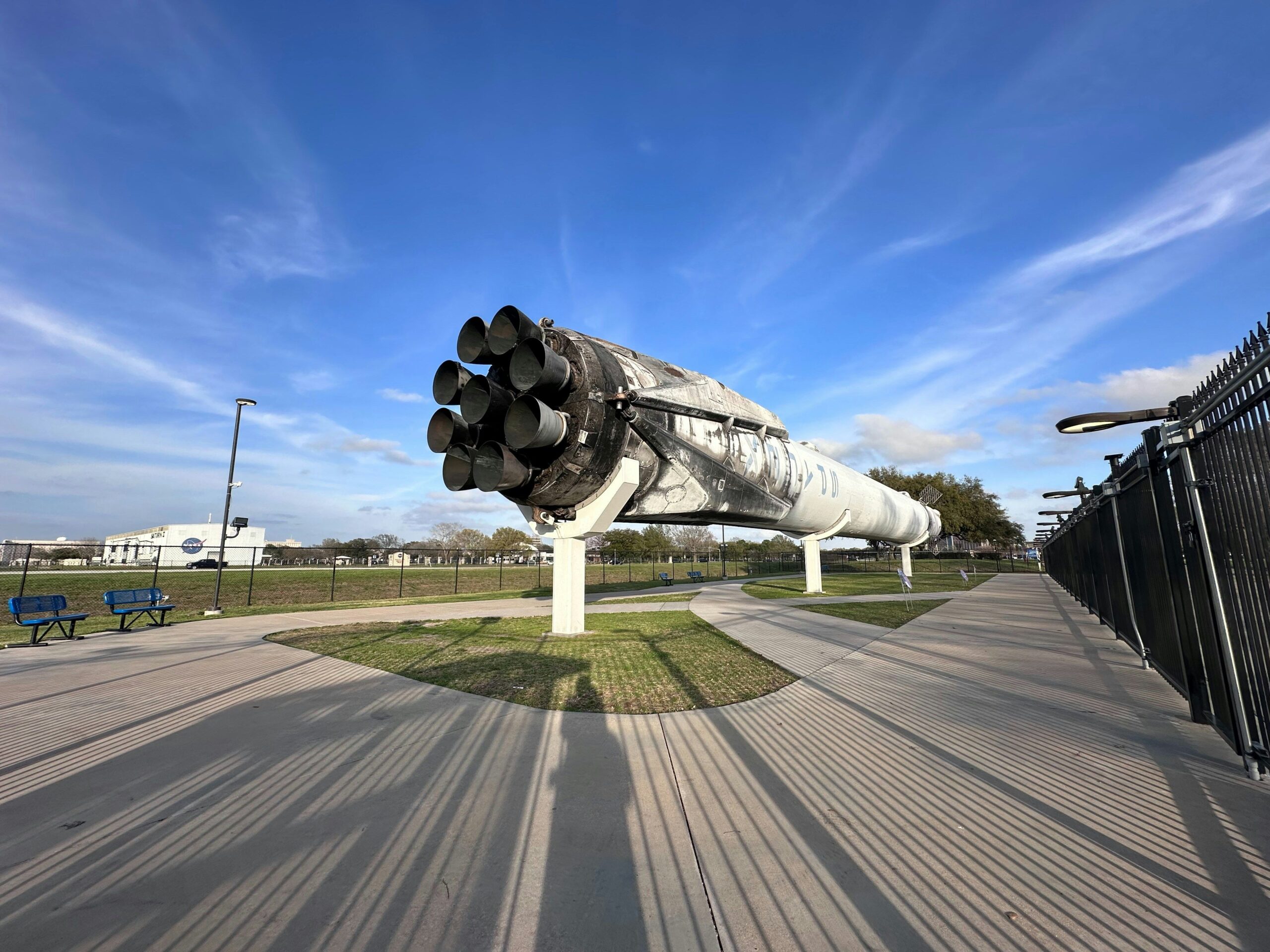
After a booster lands, SpaceX technicians begin a structured inspection process covering the heat shield, engine turbopumps, pressurization systems, and the carbon-fiber composite airframe. Some components are replaced after every flight as a matter of protocol. Others — including the primary structure and the Merlin engines themselves — are inspected, serviced, and returned to flight within weeks.
Some Falcon 9 boosters have surpassed 20 flights on the same core hardware. Each reuse generates operational data. Engineers learn which parts degrade predictably, which failure modes can be anticipated, and where inspection protocols can be tightened without compromising safety margins. Refurbishment costs fall with each generation of accumulated knowledge, creating a compounding operational advantage that competitors cannot replicate simply by copying the hardware design — the institutional learning embedded in the process is as valuable as the hardware itself.
Starship, SpaceX’s next-generation vehicle, is designed to extend this logic further. Both the Super Heavy booster and the Starship upper stage are intended for full and rapid reusability, with turnaround times the company has compared to commercial aircraft operations. The goal is not merely reuse but high-frequency reuse — the same vehicle flying multiple times in a single day if demand warrants it.
The Math Behind the Mission: How Reusability Reshapes Launch Economics
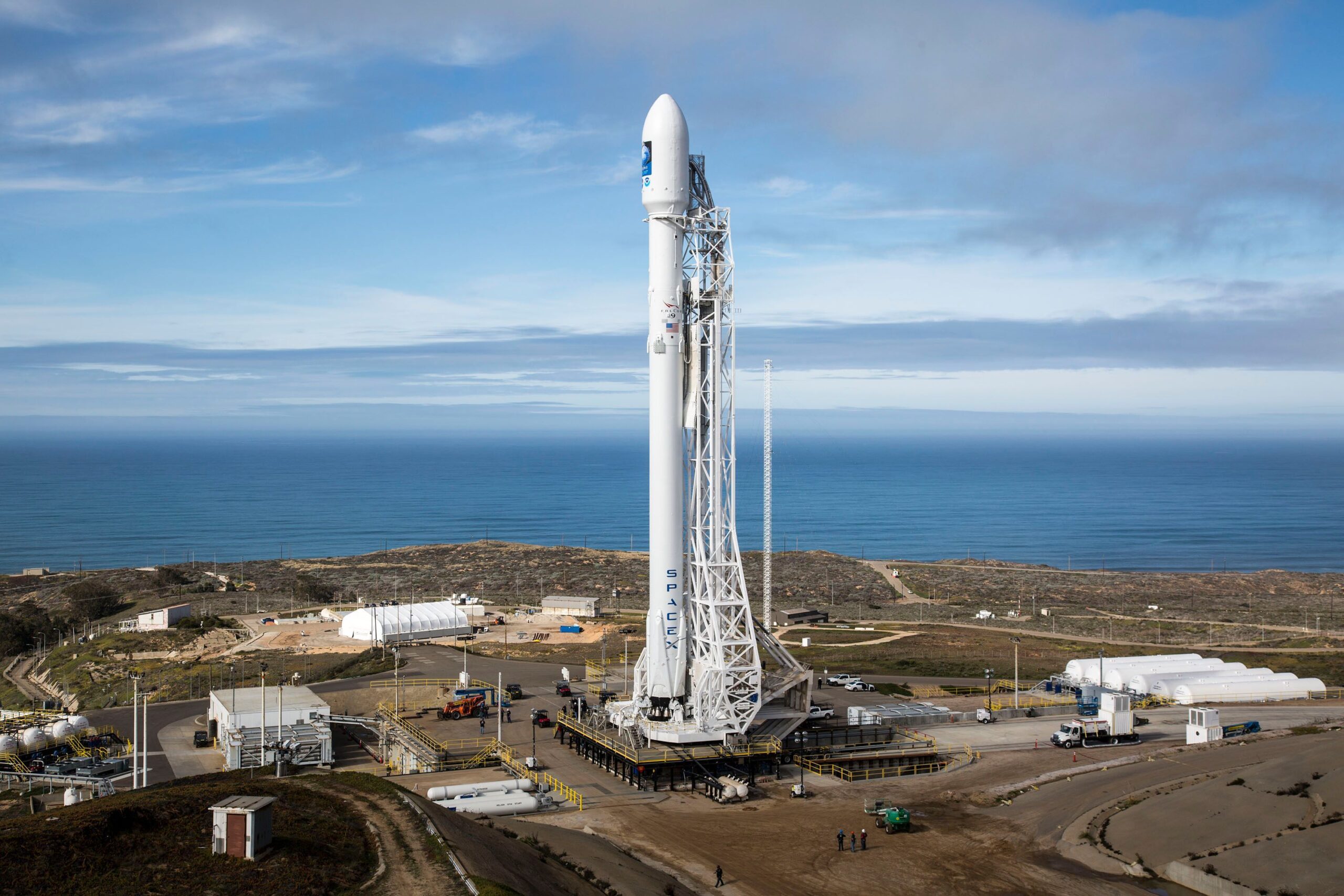
The commercial logic of reusability becomes clear once the engineering is understood. SpaceX has publicly quoted Falcon 9 launch prices starting around $67 million. Legacy competitors have historically charged $150 million or more for comparable payload capacity to low Earth orbit. That gap is not primarily explained by cheaper manufacturing labor or different materials — it is explained by the booster coming back.
When the $30 to $50 million cost of building a first stage is amortized across ten or fifteen flights rather than one, its contribution to each individual launch price drops dramatically. The per-flight hardware cost that once dominated a launch contract becomes a fraction of what it was. That saving flows directly into SpaceX’s ability to underbid rivals, capture market share, reinvest in next-generation vehicles, and still generate the margins that attracted tens of billions in IPO-era capital.
Critics rightly note that SpaceX’s internal cost accounting is not publicly audited in granular detail, and some stated savings reflect vertical integration and manufacturing scale as much as reusability alone. But the market outcome is not in dispute: SpaceX now handles the substantial majority of global commercial orbital launches, a dominance that did not exist fifteen years ago and that competitors have struggled to erode despite sustained effort.
A Competitive Landscape Reshaped
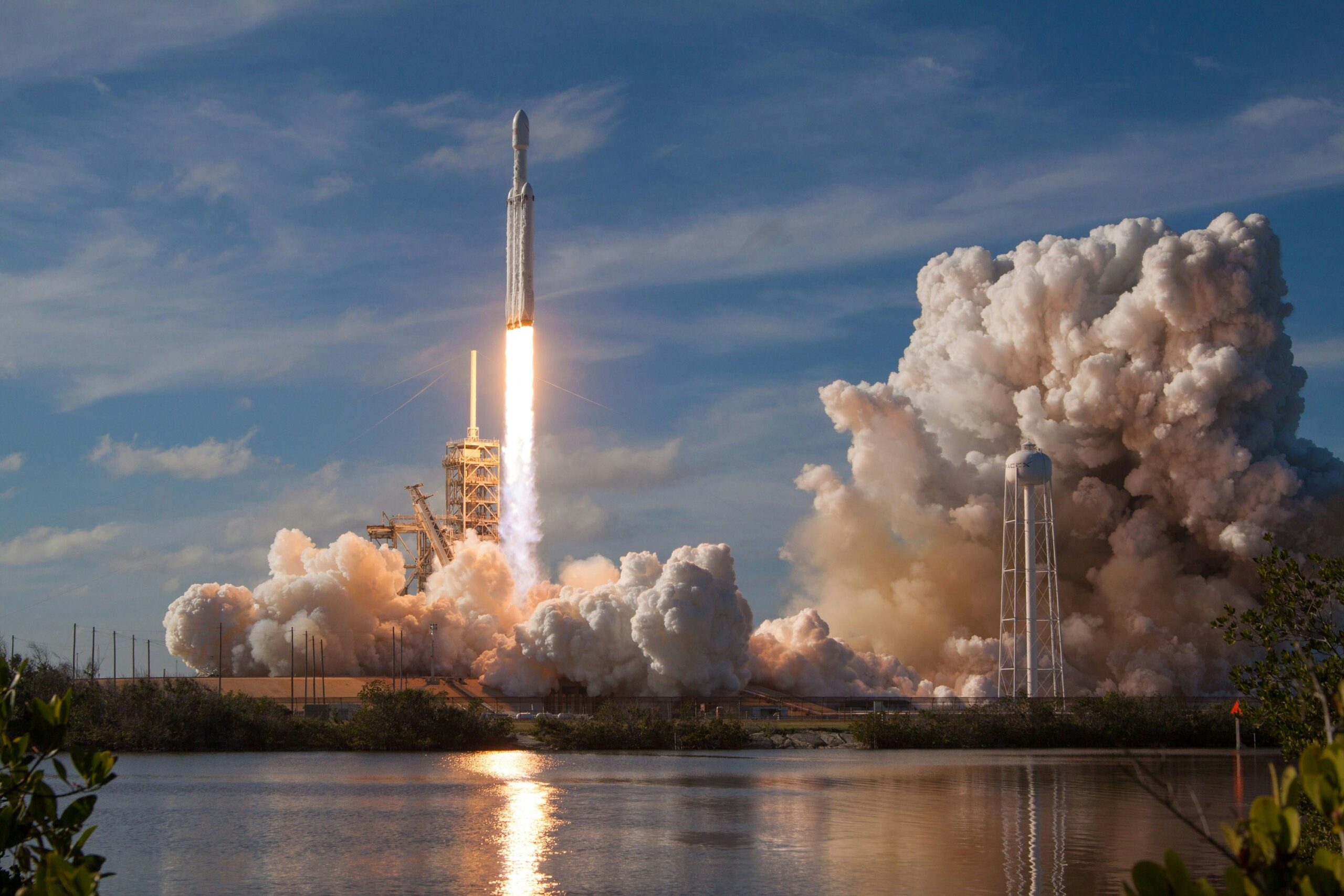
The consequences of reusability have rippled across every established launch provider. United Launch Alliance, Arianespace, and Roscosmos built their business models around expendable rockets priced for an expendable-rocket world. When SpaceX demonstrated that reusability was operationally viable at scale, each faced a structural pricing disadvantage they could not resolve quickly — because closing a cost gap rooted in engineering architecture requires redesigning the architecture, not adjusting a supplier contract.
Europe’s Ariane 6 entered service without reusability features and immediately confronted a price-per-kilogram disadvantage that made winning commercial contracts against SpaceX exceptionally difficult. The European Space Agency has since commissioned development studies for a reusable successor, an acknowledgment that the expendable model cannot persist indefinitely in a reusable-rocket world. New entrants including Rocket Lab and Blue Origin are pursuing their own reusable booster programs, validating at smaller scale the economic model SpaceX proved at larger one.
The competitive gap is not purely about hardware, however. SpaceX’s manufacturing cadence, its degree of vertical integration — building engines, structures, avionics, and software largely in-house — and its software-driven approach to operations create structural advantages that are slow and expensive for rivals to replicate. Wall Street analysts sizing up the IPO were ultimately trying to quantify how durable those advantages are, and how long they persist as competition matures.
What the Valuation Debate Reveals About the Future of Space Access
When analysts placed SpaceX’s stock value at roughly half of Musk’s stated figure, they were not simply being conservative about launch revenues. They were expressing measured skepticism about the timeline and probability of the larger markets that full reusability is supposed to unlock: point-to-point Earth transport, large-scale lunar logistics, orbital manufacturing, and eventually human settlement of Mars. Each of those markets depends on launch costs falling by at least another order of magnitude beyond what Falcon 9 has already achieved — and each carries execution risks that public markets are trained to discount heavily.
That further reduction is precisely what Starship is designed to accomplish. If a fully reusable, rapidly turnaround vehicle can reduce the cost of delivering a kilogram to orbit from the low hundreds of dollars Falcon 9 has already achieved to tens of dollars or less, entirely new categories of economic activity in space become viable. Orbital manufacturing, large-scale space-based solar power research, and higher-volume space tourism shift from speculative concepts to addressable markets with calculable unit economics.
The booster that landed quietly at Cape Canaveral on June 12, 2026, while SpaceX shares opened for trading on the Nasdaq, was a concrete symbol of exactly that wager. The physics already work. The engineering has been demonstrated at operational scale. The question the market is now pricing is not whether rockets can reliably come back — it is how far, and how fast, the economics will follow them down.