48. The Earth may have been purple in ancient history.
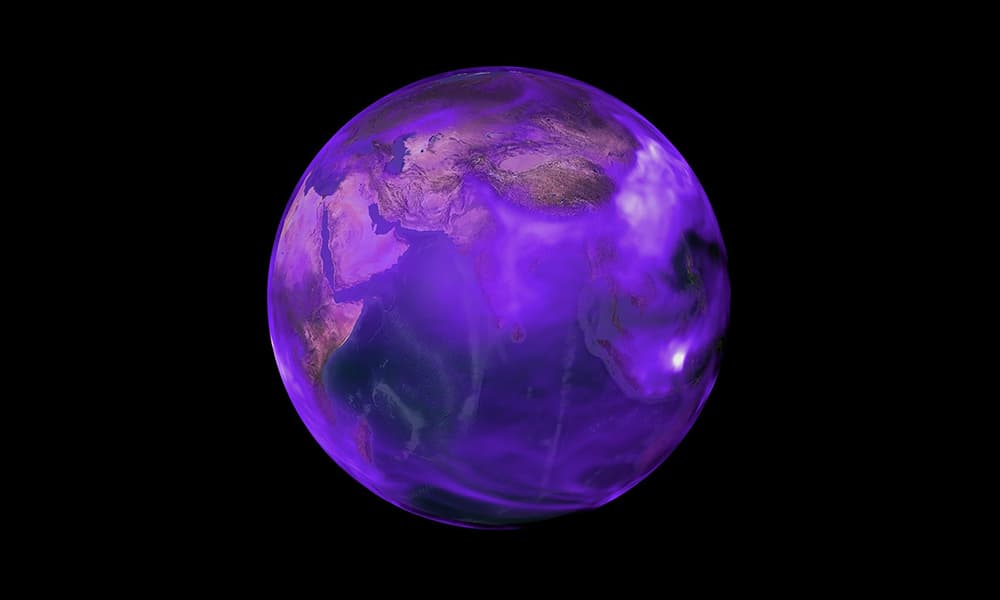
When kids draw the Earth, it’s usually an unmistakable circle of green and blue, even if the continents aren’t clear, but that may not have always been the case. The Earth is known as the blue planet because much of it is covered with water, which gives off a blue tint. The rest of the Earth is green because of the plants that use chlorophyll to harness the sun’s rays and convert them into energy. However, some scientists believe that ancient microbes may have metabolized the sun’s rays with retinal, a molecule that is a deep purple color rather than green. It means that the early Earth may have been purple rather than the characteristic blue and green that we see today.

Some scientists speculate that the reason for this puzzling color change – if it is true – is due to the microbe’s evolutionary process. Microbes that used chlorophyll were unable to compete with the ones that needed retinal, but they evolved to use something else – blue and red light since green light was being absorbed. Since chlorophyll production is more efficient, the ecosystem eventually tipped its balance in favor of that. However, that does pose an interesting question: if this is true for Earth, what should we keep in mind when looking for an indication of life on other planets? Perhaps chlorophyll isn’t always the answer.