Single-Celled Organisms Store Memory Without Brain
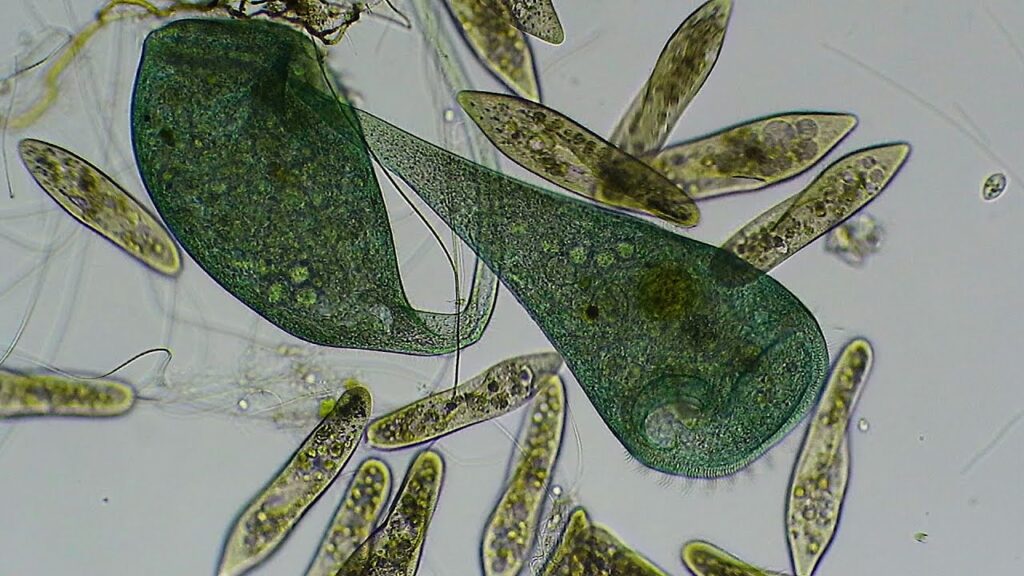
Slime molds record environmental information by changing the diameter of their tubular networks. Despite lacking a brain or nervous system, these organisms strengthen useful pathways and let unsuccessful ones wither, similar to how human brains form memories through synaptic connections. The molds can recall food locations and navigate mazes using this physical memory system, challenging our understanding of intelligence. This 2024 finding suggests new approaches for developing chemical-based information storage systems that don’t require electronic components, particularly useful for soft robotics and adaptive materials.