12. Synthetic Embryos from Stem Cells
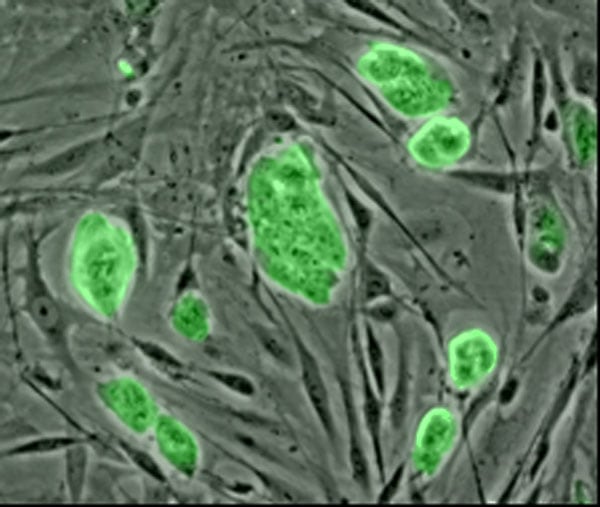
In a breakthrough, researchers coaxed mouse embryonic and trophoblast stem cells to self-organize into embryo-like structures without sperm or eggs. Cultured in 3D extracellular matrices, these “synthetic embryos” progress through gastrulation, neural plate, and heart-like formation over days.
According to a study in Nature, this model recapitulates early organogenesis up to mid-gestation, permitting real-time observation of developmental processes. These models reduce reliance on donor embryos and provide ethical platforms for examining congenital disorders and drug teratogenicity.