3. ‘Phantom Limb’ Sensation Tricks the Brain
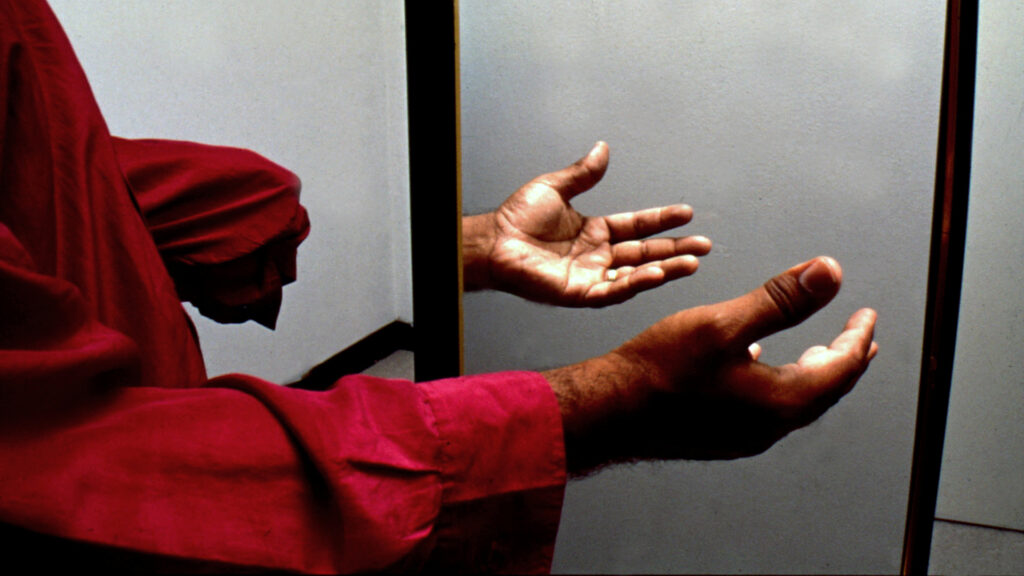
Individuals who lose limbs often continue to feel sensations in the absent limb, a phenomenon known as ‘phantom limb’ sensation. This occurs because the brain’s sensory cortex retains a representation of the missing limb, leading to the perception of its presence. Research indicates that the intensity of phantom limb pain correlates with the extent of cortical reorganization in the somatosensory cortex following amputation. (pubmed.ncbi.nlm.nih.gov) Therapies like mirror therapy aim to alleviate these sensations by providing visual feedback that the limb is still present, thereby reducing the mismatch between sensory inputs and the brain’s representation of the body. (en.wikipedia.org) This phenomenon underscores the brain’s capacity to generate sensory experiences without external stimuli, highlighting the complex relationship between perception and physical reality.