10. Memories Can Be Implanted—Falsely
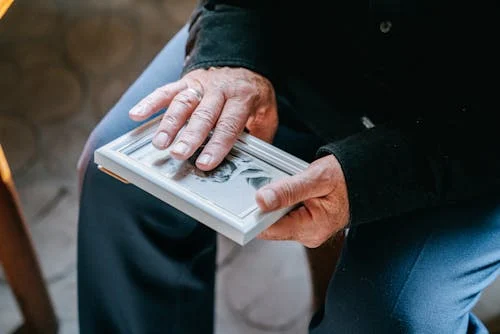
It’s disturbingly easy to ‘plant’ false memories in the minds of others through suggestion or feedback. Experiments have convinced people they had experiences that never happened, raising important questions for eyewitness testimony, therapy, and the nature of personal truth. (news.mit.edu) In a notable study, researchers used the “lost in the mall” technique to implant false memories in participants. They provided participants with narratives of events from their childhood, including one fabricated event of being lost in a shopping mall. Over time, a significant portion of participants began to recall details of the false event, demonstrating the ease with which false memories can be created. (en.wikipedia.org) These findings have profound implications for legal and therapeutic settings, highlighting the need for caution when dealing with memory recall. The susceptibility of human memory to suggestion underscores the importance of corroborative evidence and critical evaluation in situations where memory plays a pivotal role.