3. The Medieval Famine and Climate Anomalies
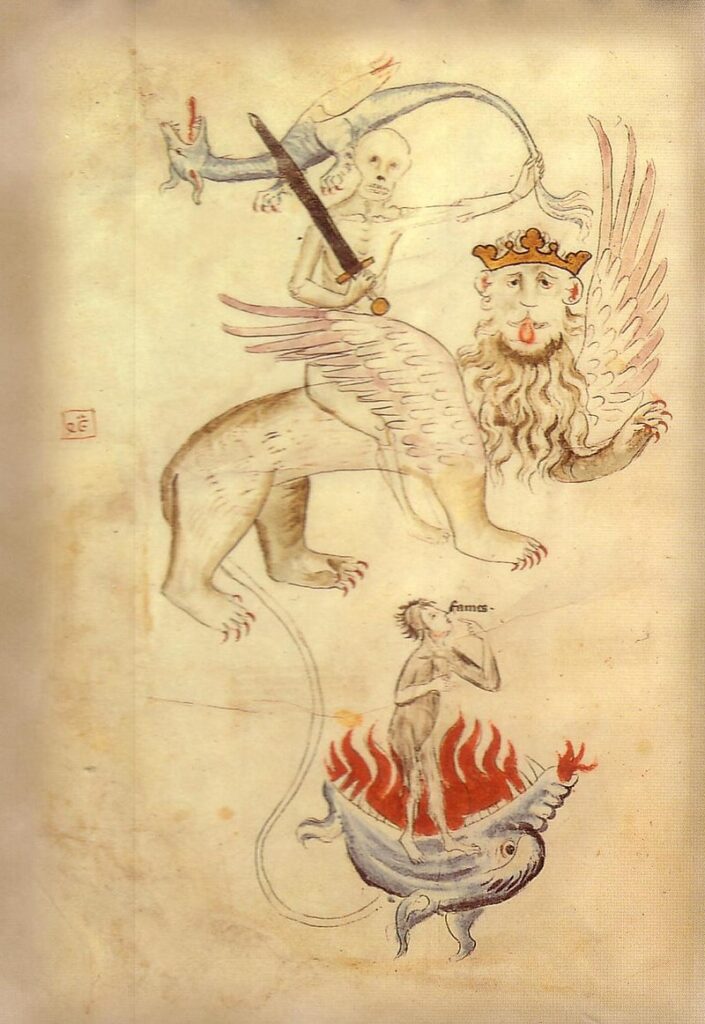
Between 1315 and 1317, Europe experienced the Great Famine, a catastrophic event triggered by severe climatic anomalies. Unusually heavy rainfall during the spring and summer of 1315 led to widespread crop failures, as grains failed to ripen and fields became waterlogged. This resulted in soaring food prices and mass starvation, with mortality rates escalating due to malnutrition and disease. The famine’s severity was exacerbated by the Little Ice Age, which brought cooler temperatures and further disrupted agricultural productivity. The crisis had profound social and economic impacts, including increased crime, social unrest, and a significant decline in population. (en.wikipedia.org)