2. Toxoplasma gondii
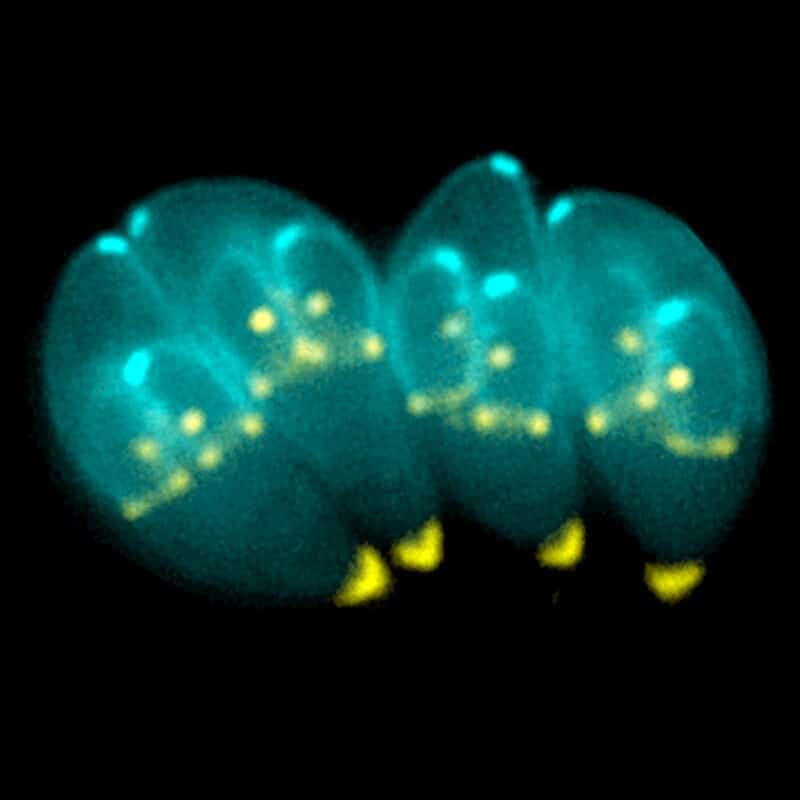
The protozoan parasite Toxoplasma gondii manipulates rodent behavior by altering their innate aversion to cat odors. Infected rodents exhibit attraction to these scents, increasing the likelihood of predation by felines, which are essential for the parasite’s sexual reproduction. This behavioral change is thought to enhance transmission to the definitive host. Research indicates that the parasite’s influence on rodent behavior is highly specific to cat odors, without affecting responses to other stimuli. (pnas.org)
Studies have also explored potential links between T. gondii infection and behavioral changes in humans. Some research suggests associations with increased impulsivity and aggressiveness, but findings are inconsistent, and further investigation is needed to understand these potential effects. (pubmed.ncbi.nlm.nih.gov)