Unmasking the Limits of Antiseptics in WWI
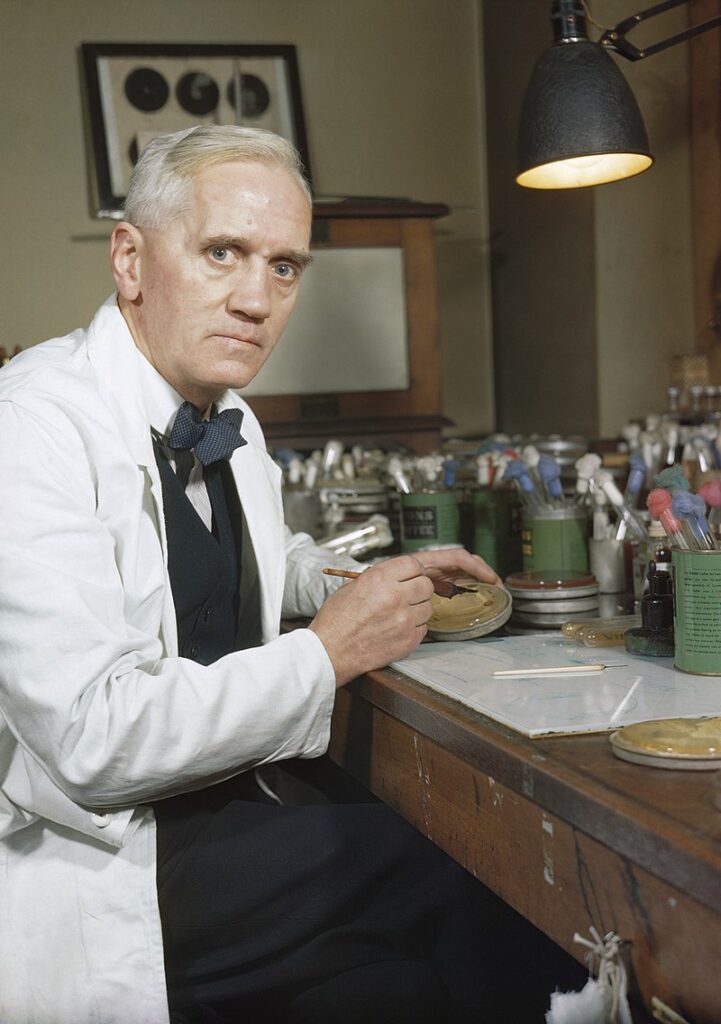
During World War I, Alexander Fleming observed that commonly used antiseptics, such as carbolic acid, were ineffective in sterilizing deep, jagged wounds. He demonstrated that these antiseptics often failed to eliminate bacteria in such wounds and, more critically, destroyed the body’s white blood cells, which are essential for fighting infection. This led to increased mortality rates among soldiers. Fleming advocated for cleaning wounds with mild saline solutions to preserve the body’s natural defenses. (sciencehistory.org)