3. Hiding in Plain Sight for Over 100 Years
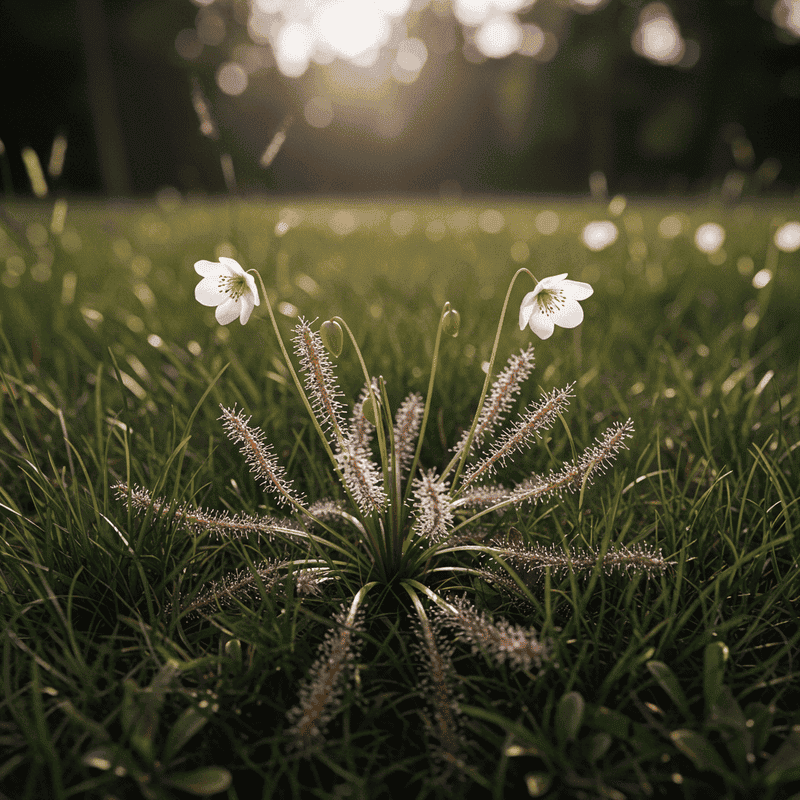
Despite being well-documented by botanists since the 19th century, Triantha occidentalis‘s carnivorous habit remained overlooked for generations. Its delicate, grass-like structure and modest white flowers gave no obvious clues to its predatory abilities. The plant’s carnivory was especially elusive because its sticky flower stalks—unusual among carnivorous plants—were easily mistaken as a simple adaptation rather than a trap. Botanists primarily focused on root, leaf, or flower morphology, causing the subtle evidence of its insect-trapping prowess to go unnoticed for decades, as noted by National Geographic.