10. Avoiding Pollinators: A Clever Strategy
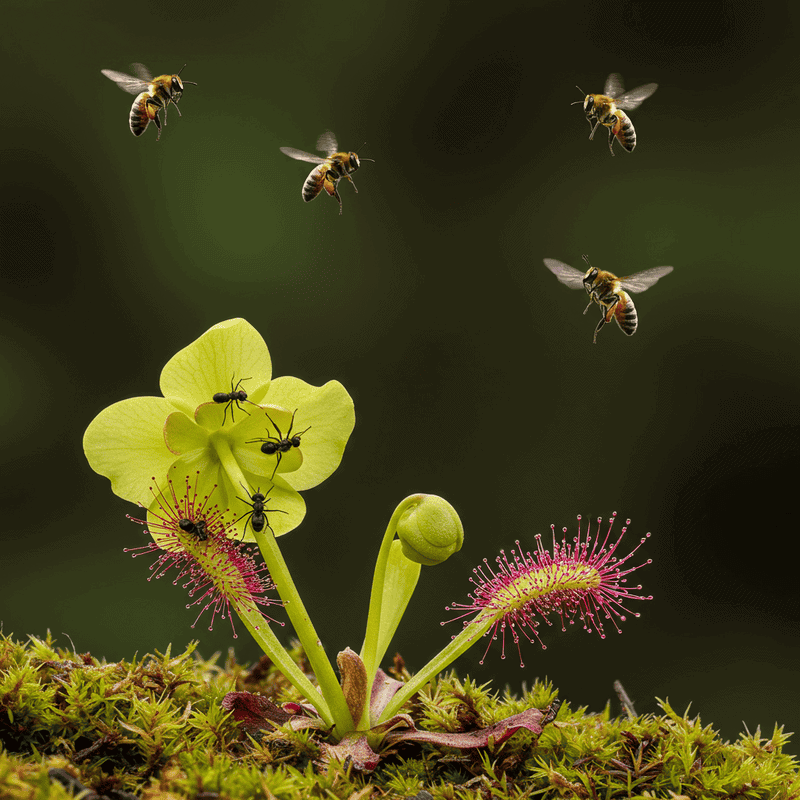
Triantha occidentalis has evolved an ingenious strategy to maximize both nutrition and reproduction. Its sticky flower stalks primarily trap small insects such as ants and flies—organisms unlikely to serve as pollinators. The sticky glands are located below the actual flowers, so larger pollinators like bees and butterflies can visit and pollinate without becoming ensnared. As explained by The New York Times, this separation ensures the plant can feed on insects while still attracting the species essential for its reproduction.