1. The Origins: Francisco Mojica’s Early Observations (1993)
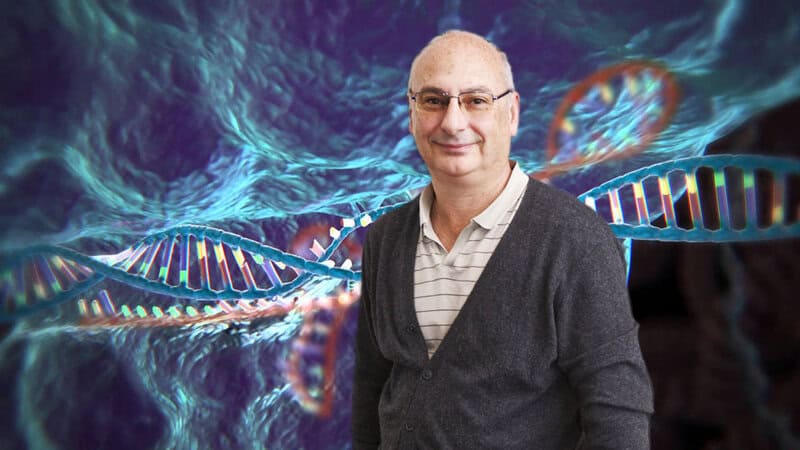
In 1993, Francisco Mojica, a Spanish microbiologist, noticed peculiar repeating DNA sequences in the genome of Haloferax mediterranei, a salt-loving bacterium. These mysterious sequences, later dubbed CRISPR, stood out for their regularity and pattern. Mojica hypothesized that these repeats played a crucial role in bacterial immunity, protecting bacteria from viral invaders. His pioneering work, though initially overlooked, provided the first clues to the biological significance of CRISPR systems. [Source: Nature]