Narwhal

As mentioned previously, there are countless tales from the sea about mysterious animals that sailers will tell others. Most of them are false, but you will occasionally get a few true stories as well. The problem is trying to figure out which is which. Back in the Middle Ages through the Renaissance era, the mythical unicorn with its magical horn was incredibly popular. While usually referenced in known myths, many believed they were real. In fact, some still believe unicorns exist today. However, while it might be a long shot to claim to see a unicorn, this sea creature fits the bill of being extraordinary.
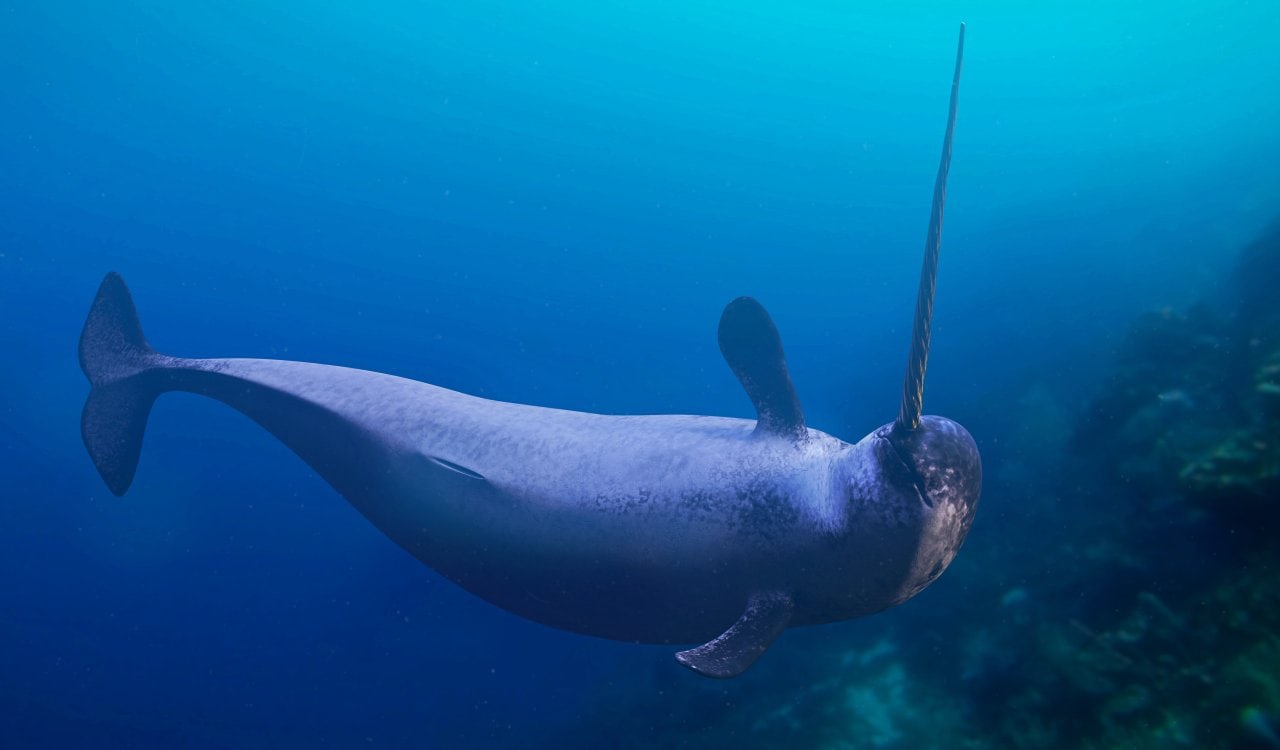
During the aforementioned time period, people used to sell “unicorn horns” which only enhanced the myth. However, they were actually selling the tusks of Narwhals instead. This is a whale species found in the Arctic, often hunted by Vikings. These same Vikings would sell the tusks for high prices to Europeans but did not bother to tell people what animal they came from. This began to change in 1577 after English explorer Martin Frobisher led a Canadian expedition where they came across a deceased narwhal. They called it the “sea-unicorn” at the time, but eventually, it would be renamed to what we see today.