Portuguese Man O’War
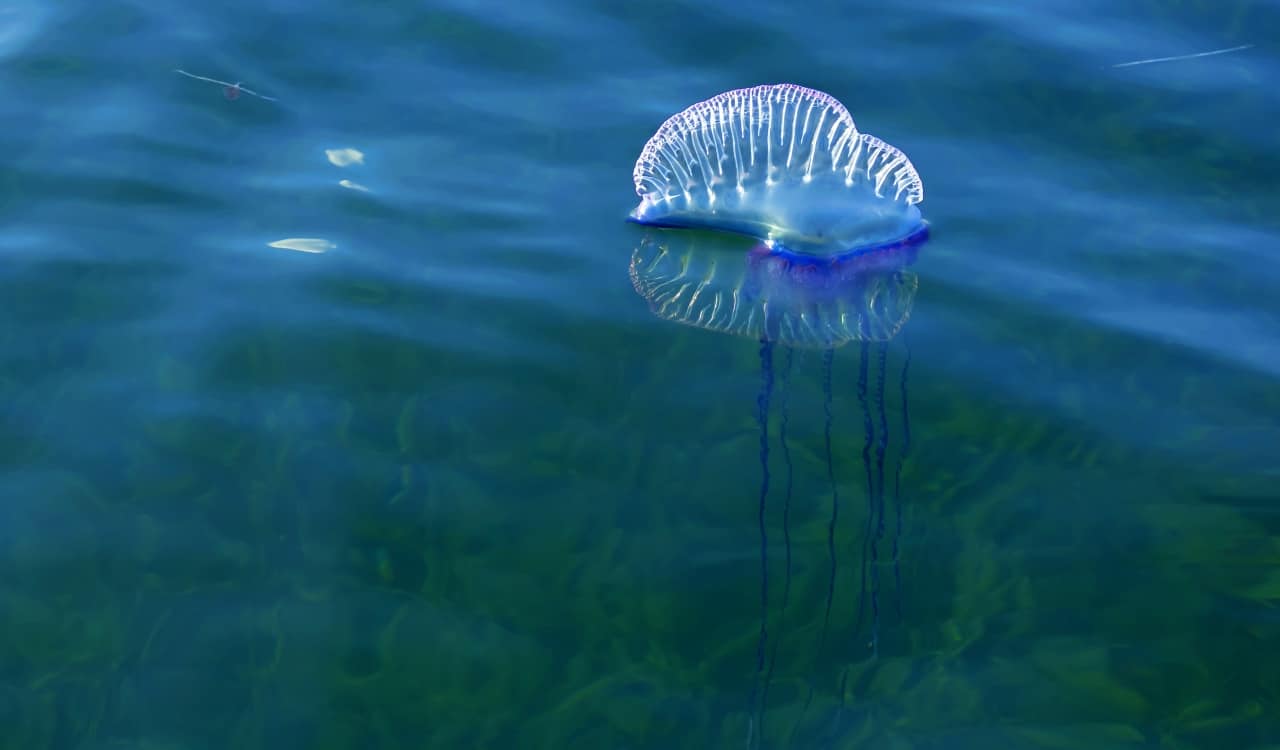
Once assumed to be a jellyfish, the Portuguese Man O’War is far from it. This species is what scientists call a “zooid.” These are multicellular beings that share a common exoskeleton. In the past, zooids exhibited polymorphic behavior where they adapted for different functions like feeding or colony anchoring. This means the Man O’War might look like a complete being but every bit of it is separate from the rest. Thus allowing it to lose part of itself and develop it back later. Sadly due to rising tides, the Man O’War has been washing up on beaches across the world, especially in North America.
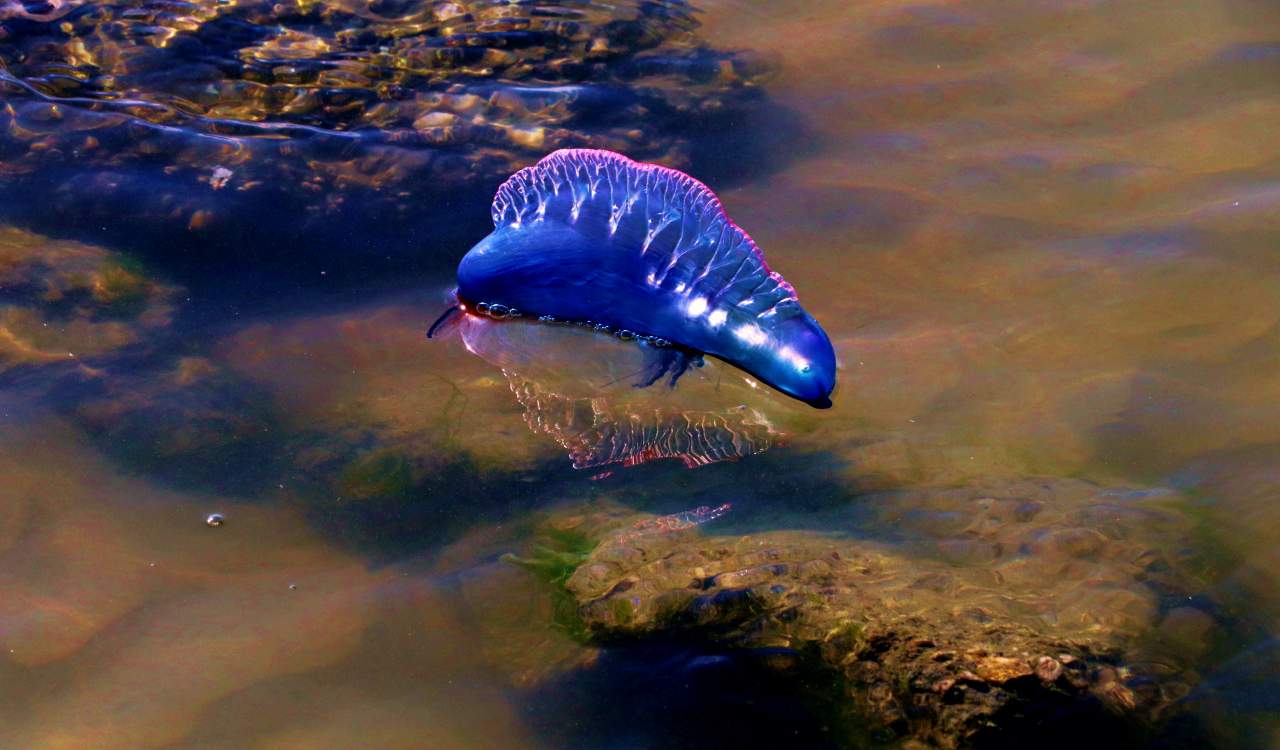
Known for its painful sting, the Portuguese Man O’War was commonly found around Portuguese waters but has since started to migrate out worldwide. Part of its body, the one everyone tends to see at first, rests on top of the water. Meanwhile, tendrils that can be longer than 160 feet, rest below the surface. It’s no wonder why some that have randomly come across them have been shocked by the sight. Often assuming the creature to be a monster, especially as they run into the venomous tendrils. While their sting is very painful, it’s rarely deadly thankfully. The Man O’War is still one of the world’s most mysterious animals that science is still studying.