6. Insights into Human Evolution
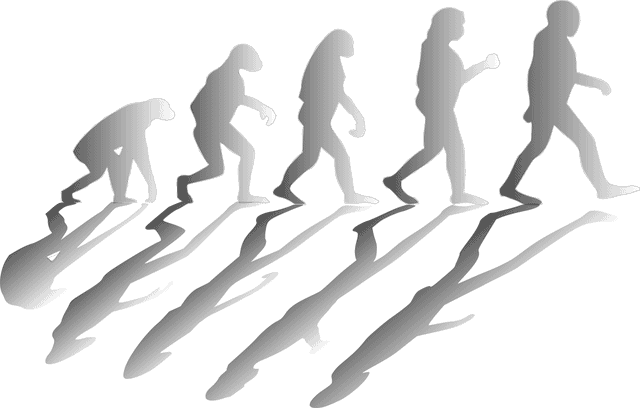
This remarkable discovery compels scientists to reconsider established timelines and migration routes in human evolution. Previously, researchers believed that well-known species like Homo erectus and Neanderthals dominated Eurasia during this era. However, the skull’s unprecedented anatomical features suggest the existence of other, distinct hominin groups coexisting and evolving separately during the same period. Such evidence implies a more diverse and complex evolutionary landscape, marked by multiple migrations and interactions among early human ancestors. Ultimately, this finding challenges traditional evolutionary models, urging a re-examination of how ancient hominins dispersed, adapted, and thrived across the prehistoric world.