Measuring Galaxy Distances
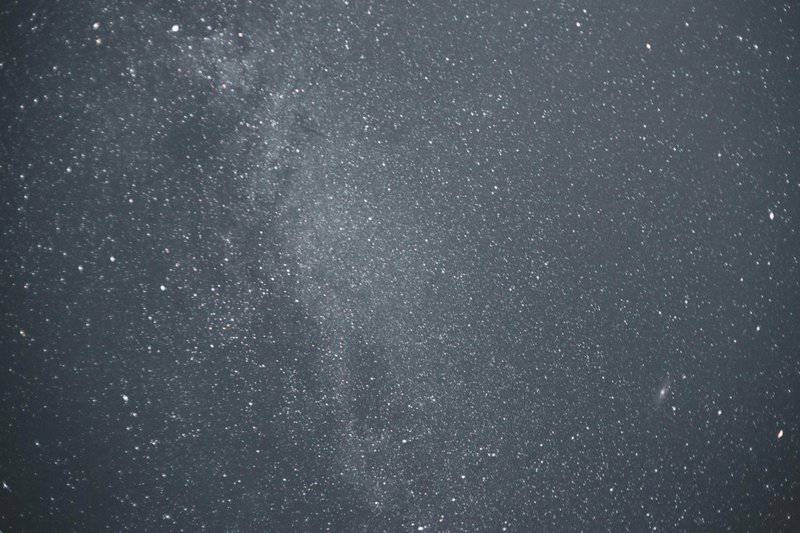
Determining the distance to galaxies is crucial in understanding the universe’s vast scale and structure. Astronomers primarily rely on methods such as standard candles—objects with known intrinsic brightness, like Cepheid variable stars or Type Ia supernovae—to precisely measure distances. By comparing their known luminosity to observed brightness, accurate distances can be calculated.
Another valuable method involves observing a galaxy’s redshift, the shift in its spectral lines toward longer wavelengths due to cosmic expansion. Redshift measurements enable astronomers to estimate distances to faraway galaxies, ultimately providing insights into the universe’s expansion rate and evolutionary history.