6. The Science of Electrolysis in the Deep
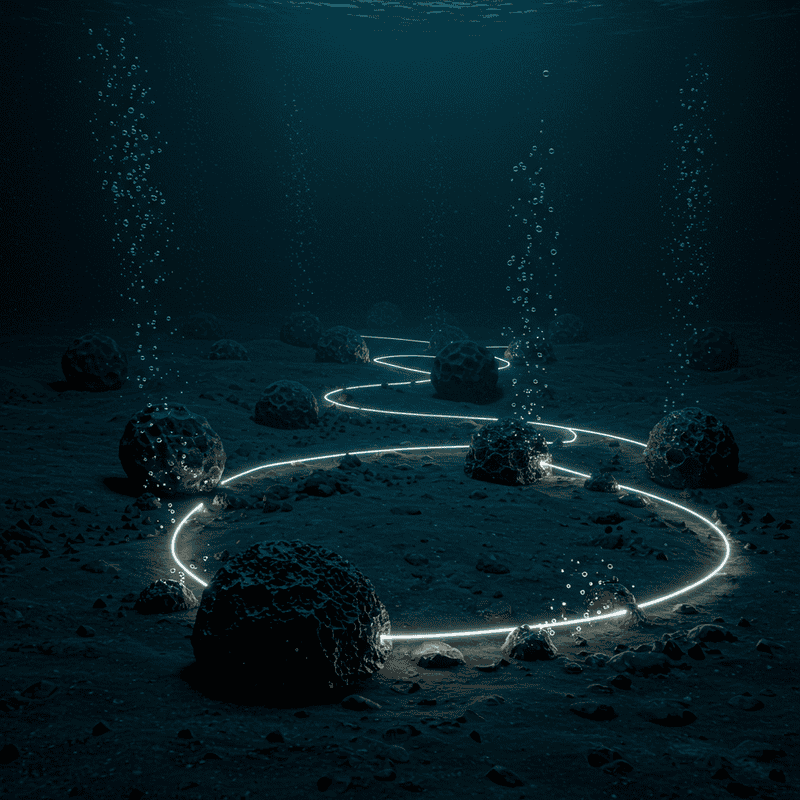
Deep-sea polymetallic nodules create natural electrical currents that mimic artificial electrolysis experiments. These voltages split seawater molecules, producing hydrogen and oxygen gases—just as in laboratory setups. The process involves electrons moving through the nodule, catalyzing the breakdown of H2O. This impressive feat of geochemistry means the ocean floor is not just a passive environment but a dynamic, energy-generating landscape, reshaping our view of the deep-sea’s potential for sustaining life.