
In 1996, a landscaper splitting open a sandstone block in an Australian backyard accidentally exposed a creature that had been sealed inside for 240 million years. Standing nearby was a young boy who noticed the odd shape in the stone — and who would eventually grow up to become the scientist who formally identified what it was.
A Garden Wall With a 240-Million-Year Secret
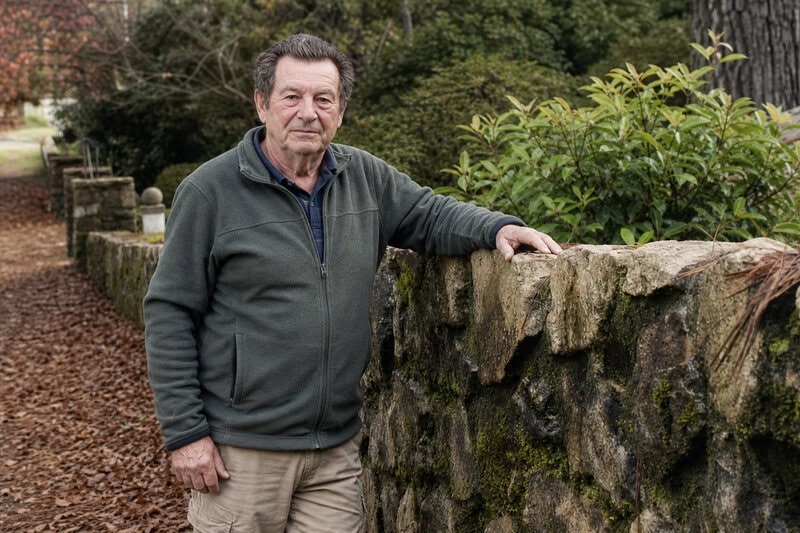
The story begins with a retired poultry farmer named Mihail Mihailidis, who commissioned a landscaper to build a decorative garden wall on his property in Australia. To source the materials, he purchased sandstone blocks from a local quarry — an entirely ordinary transaction. What made this particular block extraordinary was invisible from the outside: buried within it was a fossil from the Triassic period, an ancient amphibian entombed in stone since long before the first dinosaur walked the earth.
When the block was split during construction, the fossil inside was accidentally revealed. No professional excavation team planned it. No paleontologist was on site. It was an unscheduled collision between modern landscaping and deep geological time — the kind of discovery that formal science rarely anticipates and almost never coordinates.
As People reported on the discovery, the fossil is a 240-million-year-old amphibian, making it one of the more striking accidental finds in recent paleontological memory. That it spent nearly three decades embedded in a garden wall before being formally studied only deepens the story.
What a 240-Million-Year-Old Amphibian Actually Means
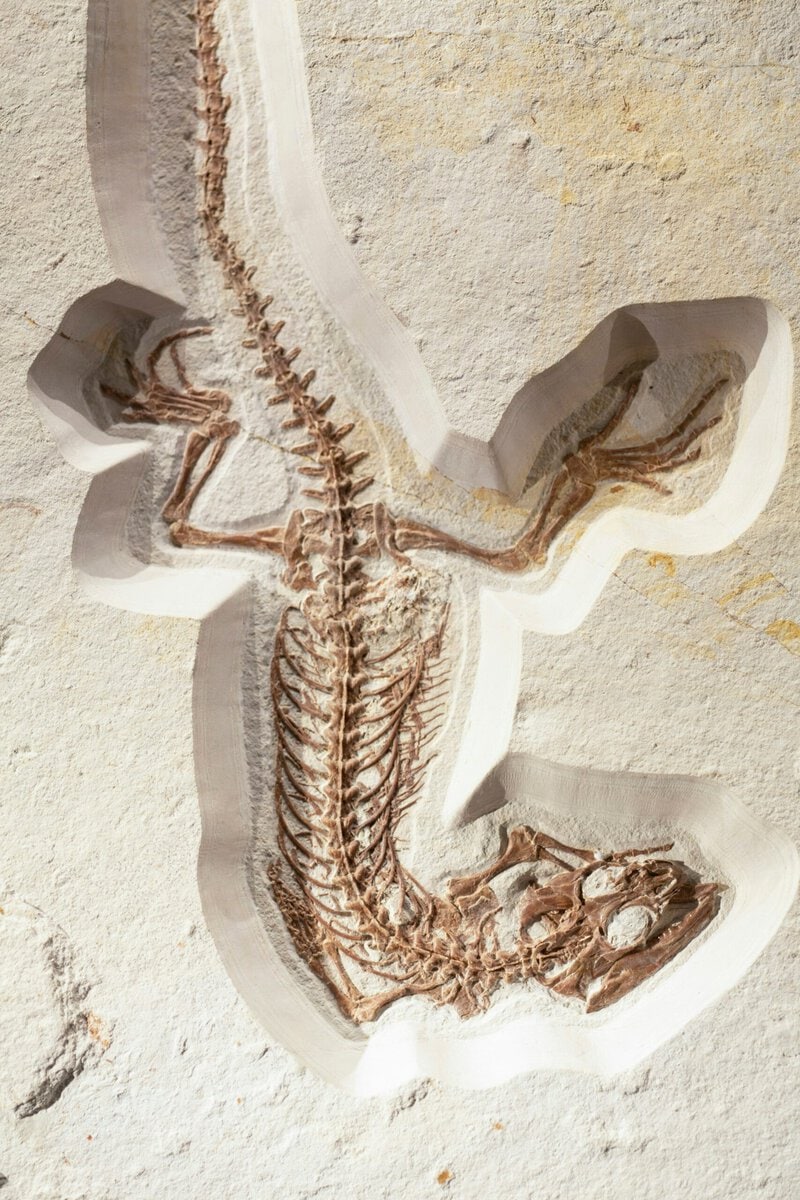
To understand why this fossil matters, it helps to place 240 million years in context. That figure puts this animal firmly in the Triassic period — a geological chapter that opened in the aftermath of the largest mass extinction in Earth’s history, the end-Permian event, which wiped out an estimated 90 percent of all species on the planet. The Triassic was essentially a biological rebuilding phase: a world repopulating itself from the survivors of catastrophe.
Triassic amphibians were not the small, delicate creatures we associate with the word today. Many were large, heavily built animals occupying ecological roles that would later be claimed by reptiles and eventually mammals. A well-preserved specimen from this era is not merely a curiosity — it is a data point in the ongoing effort to understand how life reorganizes itself after near-total collapse.
At 240 million years old, this animal was alive approximately 10 million years before the earliest dinosaurs appeared. That places it in a window of evolutionary history that remains comparatively underexplored, particularly in Australia, where Triassic fossil sites are scientifically significant but have received less systematic attention than equivalent sites in North America, Europe, and China. Each new specimen from this period helps researchers map which species were present, where they lived, and how they related to one another — questions that bear directly on understanding the trajectory of vertebrate evolution.
The Unexpected Twist: A Boy Becomes the Scientist
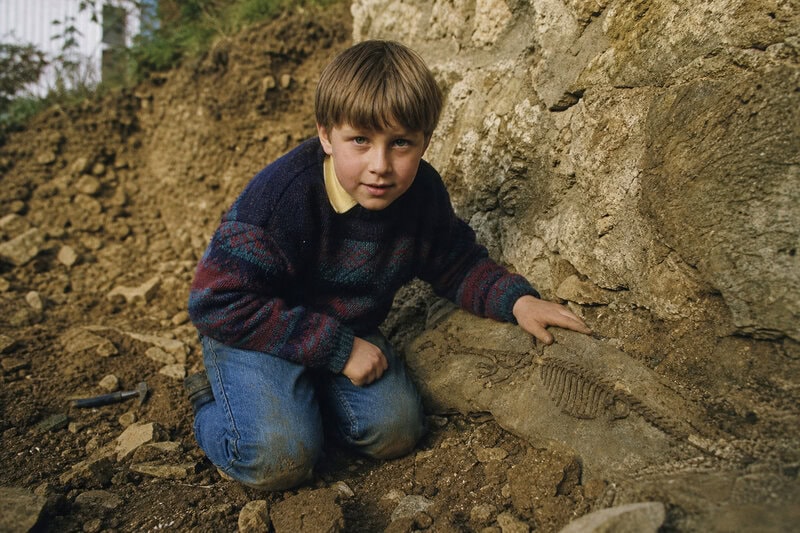
The fossil’s scientific journey did not begin in a laboratory. It began with a child’s curiosity. When the fossil was first exposed in 1996, a young boy was present and noticed it — a moment that at the time would have seemed entirely unremarkable. Children notice things. Most of those moments fade.
This one did not. That boy eventually pursued a career in paleontology, and decades later he became the scientist who formally identified and described the very fossil he had glimpsed as a child. The same eyes that first registered curiosity about an odd-looking rock in a garden ultimately unlocked its scientific meaning for the rest of the world.
It is the kind of origin story that rarely emerges from institutional science, where discoveries are typically the product of funded expeditions and peer-reviewed methodologies rather than childhood memories. The full account of this discovery and its personal dimensions underscores how unpredictable the path to scientific contribution can be — and how early encounters with the natural world can quietly shape entire careers.
Why Quarry Stone Is an Unlikely but Real Fossil Vault
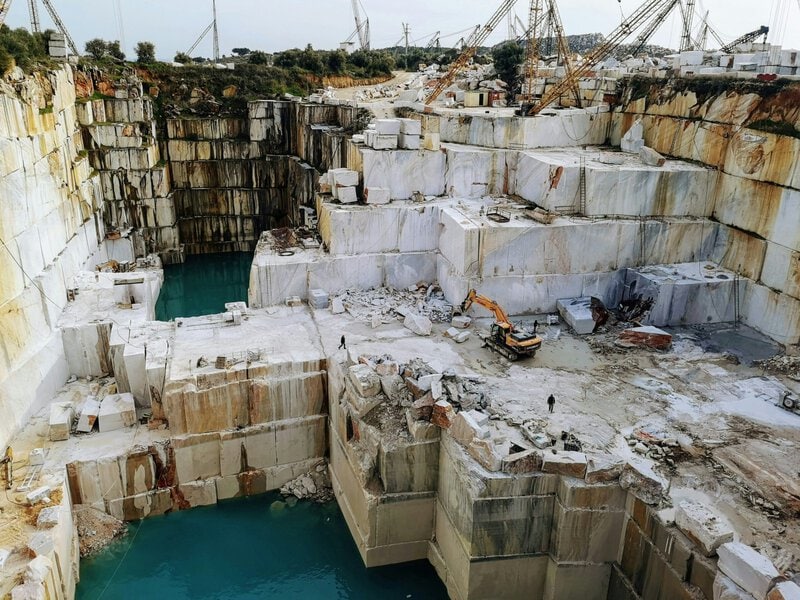
The Mihailidis case raises an uncomfortable question for the paleontological community: how many fossils have already been destroyed by quarrying operations, construction projects, and landscaping work that proceeded without any scientific oversight?
Sandstone is among the rock types most capable of preserving biological material over geological timescales, and Australian sandstone formations from the Triassic period are no exception. But preservation inside a rock is only useful if the rock is eventually opened under conditions where someone recognizes what they are looking at. Quarrying operations routinely fragment and relocate ancient stone without any paleontological review. The odds that a fossil survives the extraction process, ends up in a usable block, gets purchased, and is then opened in front of someone who recognizes its significance are remarkably low.
That this sequence of events occurred at all is a minor statistical improbability. It is also a reminder that significant paleontological material is not confined to remote, monitored dig sites. It can surface in garden supply yards, building sites, and backyard construction projects anywhere that ancient stone is quarried and moved.
Some countries have legal frameworks requiring the reporting of significant fossil finds regardless of where they emerge. This case touches on ongoing debates about how those frameworks should function when specimens appear outside any formal scientific context — in someone’s wall, for instance, or at the bottom of a garden.
What This Discovery Tells Us About How Science Actually Happens
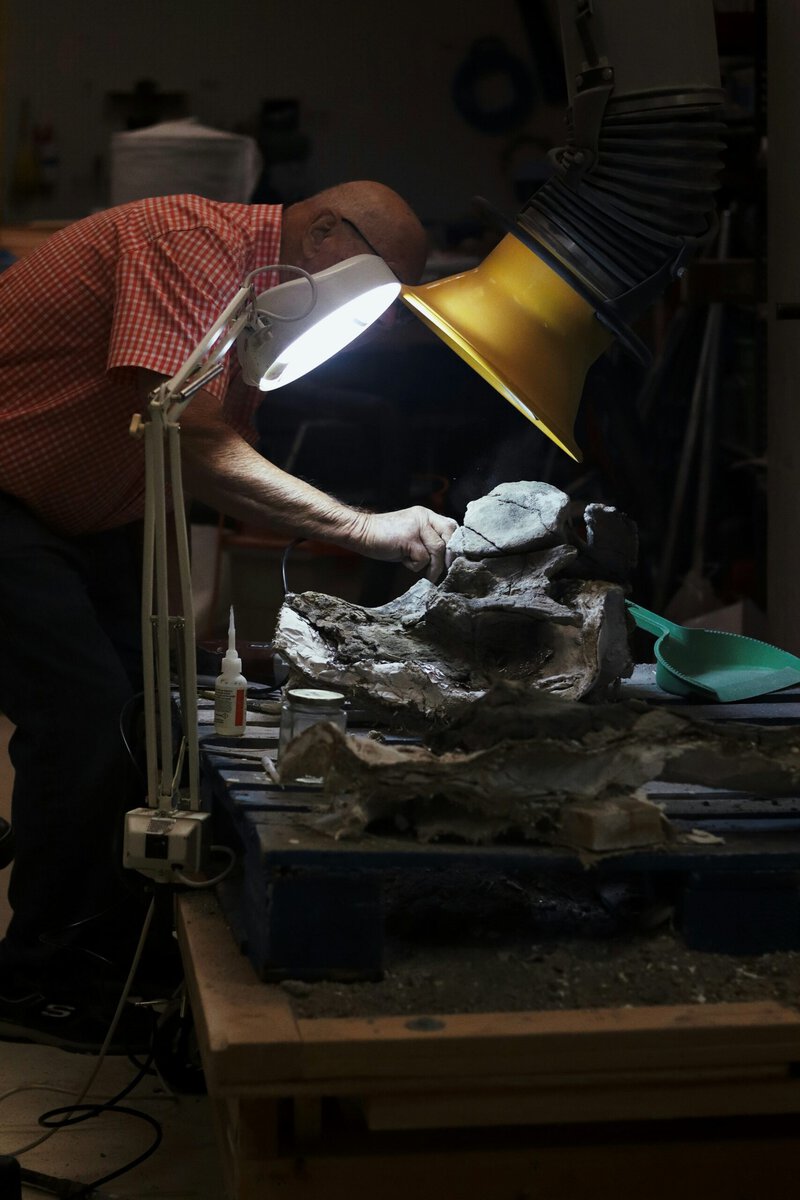
The Mihailidis garden wall fossil is, in many respects, a case study in accidental science. The discovery did not require an expedition budget, a research permit, or a team of trained excavators. It required a retired farmer buying a particular block of stone, a landscaper doing his job, and a child paying attention to something most adults might have dismissed.
What turned that accidental exposure into a genuine scientific contribution was time, persistence, and the fact that the boy who noticed the fossil never quite stopped thinking about it. The gap between observation and understanding spanned nearly three decades — itself a commentary on how slowly formal science can move when a specimen exists outside institutional channels.
For anyone who has ever turned over an odd-looking stone and felt a flicker of curiosity, the story of this 240-million-year-old amphibian offers a quiet but serious argument: that instinct is worth following. The fossil record is vast, incompletely mapped, and still capable of turning up in the most ordinary of places. The next significant find may not come from a desert cliff face or a carefully gridded excavation site. It may come from a garden wall — if someone is paying attention.