
Every few years, NASA opens a door that billions of people on Earth are automatically excluded from — and for a narrow window closing at 11:59 p.m. EST on December 3, that door is open again. What NASA’s own selection history reveals about who actually walks through it is far more instructive than the inspiring language surrounding the announcement.
The Window Is Open — But It Won’t Be for Long

For the first time in two years, NASA has officially invited the public to apply for a seat in the astronaut corps. The announcement, framing the search as a call for explorers capable of shaping humanity’s future beyond Earth, arrived in November 2026. The Guardian described it as a search for a new generation who can ‘shape humanity’s future in space’ — language that sounds aspirational, but quietly understates how brutal the filtering process actually is.
The deadline is hard: December 3, 11:59 p.m. EST. There is no extension, no rolling review, and no partial credit for a nearly complete application. For anyone seriously considering submitting, that timeline is already running.
The Baseline: What NASA Actually Requires
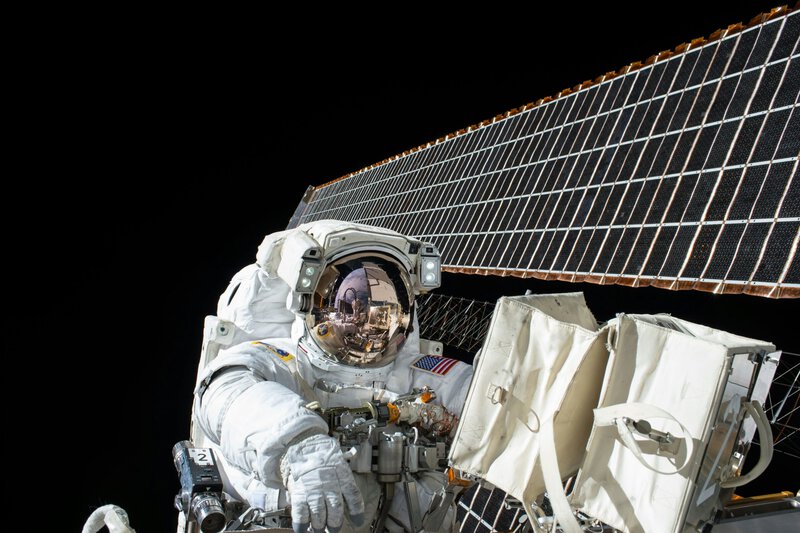
Before discussing what separates the selected from the rejected, it helps to understand the minimum threshold. NASA’s stated requirements for the astronaut application process include the following non-negotiables:
- U.S. citizenship — the first filter, and one that eliminates the vast majority of otherwise qualified people on the planet.
- A relevant Master’s degree in a STEM field — covering engineering, biological science, physical science, computer science, and mathematics. NASA’s definition of “relevant” is broader than many assume, but the credential itself is firm.
- At least two years of related professional experience following degree completion, or a minimum of 1,000 hours of pilot-in-command time in jet aircraft — a requirement that frequently surprises first-time applicants who assume advanced education alone is sufficient.
- Physical fitness meeting NASA flight standards, including specific vision, blood pressure, and height requirements evaluated at the Johnson Space Center medical screening stage.
These are the floor, not the ceiling. Meeting every listed requirement places a candidate in the pool. It does not place them on the shortlist.
The Numbers Behind the Dream: How Selective Is This, Really?
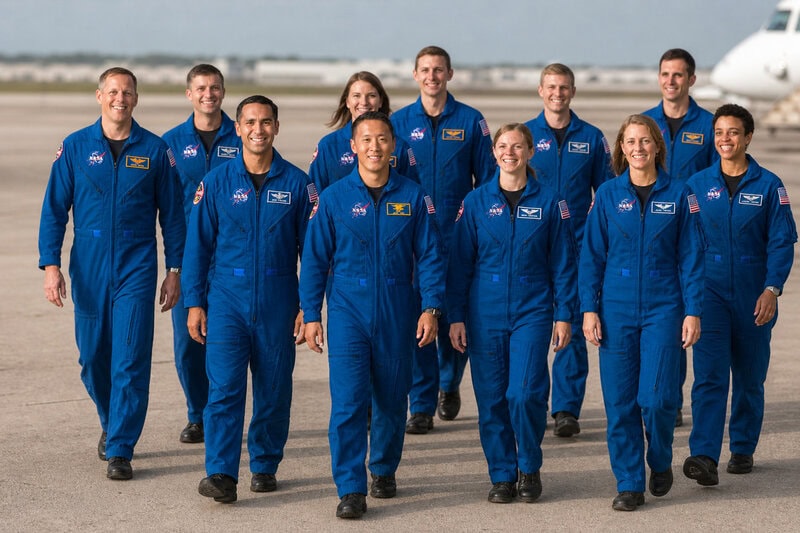
Past NASA astronaut selection cycles offer the clearest possible picture of the odds. The 2017 class — informally known as “The Turtle Group” — was drawn from more than 18,300 applicants. Twelve candidates were selected. That is an acceptance rate well below 0.1%, a figure that reframes the entire conversation about how to become a NASA astronaut.
The raw numbers make one thing clear: at this level of competition, meeting every listed requirement is table stakes. The real contest begins among candidates who are already extraordinary on paper — people with advanced degrees, operational track records, and demonstrated leadership in high-stakes environments. The astronaut selection criteria, viewed honestly, function less as a checklist and more as a multi-stage narrowing process in which qualitative factors carry decisive weight the deeper a candidate progresses.
What Selected Candidates Actually Look Like
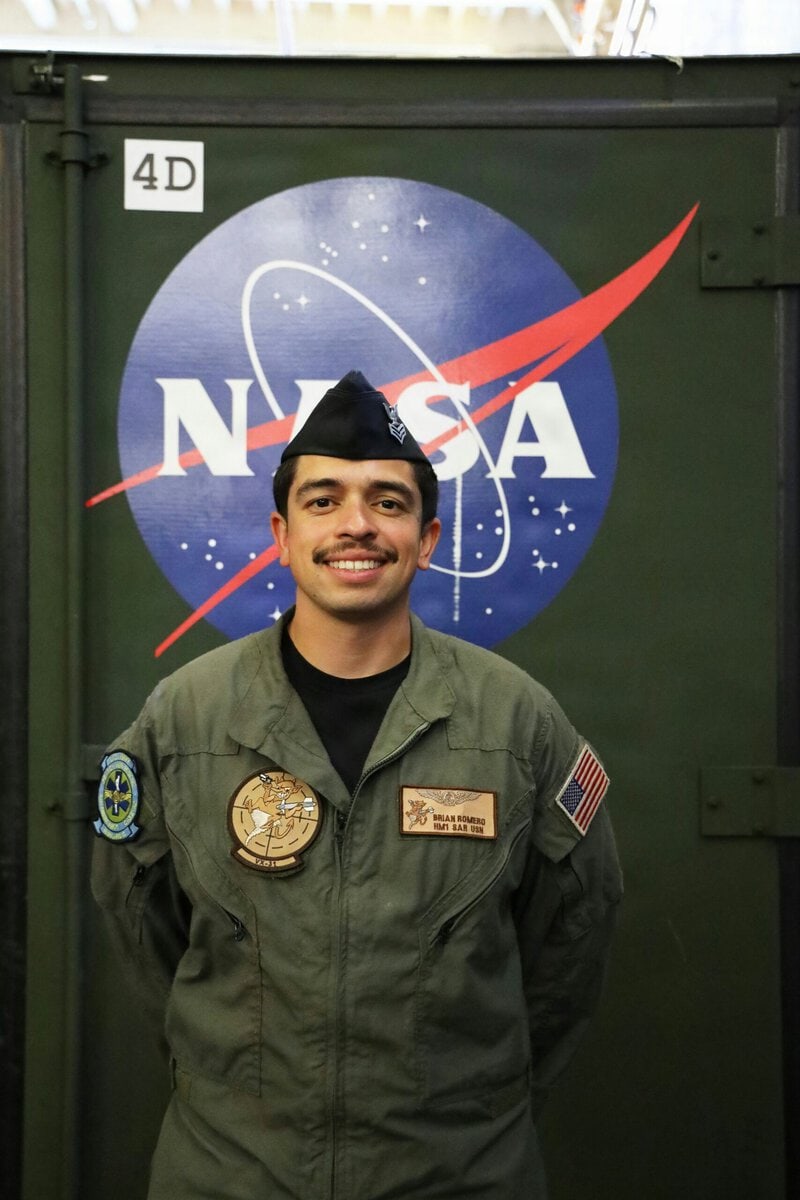
Historically, NASA astronaut classes have skewed toward candidates with operational experience. Test pilots, military officers, surgeons, and research scientists with field deployment records appear repeatedly across cohorts. Advanced degrees beyond the Master’s minimum are common — many selectees hold PhDs or MD credentials combined with hands-on, mission-critical experience that goes well beyond laboratory or classroom work.
That said, NASA has meaningfully broadened its definition of relevant experience over time. The Educator Astronaut program expanded who could be considered a viable candidate, and the growing commercial spaceflight sector is quietly reshaping what “relevant background” means to selection panels. Candidates with private spaceflight experience now occupy competitive ground that did not meaningfully exist a decade ago.
The consistent pattern across classes points to one throughline: demonstrated performance under pressure and adaptability in demanding, ambiguous environments. No single credential guarantees selection — the combination of credentials, experience, and interpersonal capability is what the data consistently rewards.
Inside the NASA Astronaut Application Process
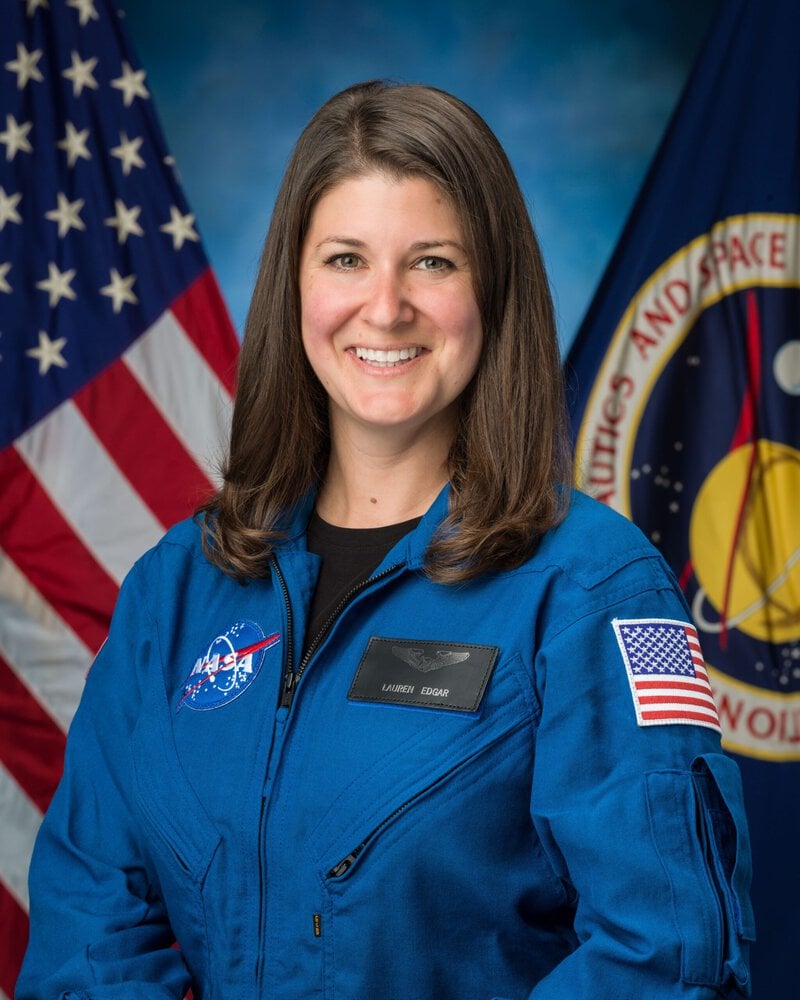
The selection process moves through several distinct phases, each designed to filter further:
- Initial application review — conducted remotely, assessing credentials against baseline requirements. The majority of applicants are eliminated at this stage.
- Invitation to Houston — a highly competitive subset of candidates is brought to Johnson Space Center for in-person interviews and medical screening covering vision, cardiovascular health, and psychological fitness.
- Final selection — made by NASA leadership, with particular weight given to how candidates perform in team scenarios, communicate under pressure, and navigate uncertainty.
Candidates who clear every stage become Astronaut Candidates — ASCANs — and enter a roughly two-year training pipeline before earning full astronaut status. Selection is not the finish line. It is the beginning of an extended evaluation that continues through training and mission assignment.
Why This Class Matters More Than Most
The timing of this recruitment cycle is not incidental. The incoming cohort will be positioned for missions extending well into the Artemis lunar program era and potentially beyond it. With the International Space Station’s operational timeline under active discussion and commercial station concepts approaching viability, candidates selected now may serve across one of the most consequential transition periods in the history of human spaceflight — bridging low-Earth orbit operations, lunar surface missions, and the early planning horizon for crewed deep-space exploration.
NASA’s framing — “next generation of explorers” — signals a recruitment intent oriented toward long-duration, deep-space readiness rather than routine station operations. That framing has practical implications for how selection panels are likely to weight experience profiles, particularly candidates who demonstrate adaptability across mission types rather than depth in a single specialty.
Should You Apply? A Clear-Eyed Assessment
If you hold U.S. citizenship, a qualifying Master’s degree, and the required professional experience, and have built a career defined by high-stakes technical or operational achievement, the December 3 deadline deserves to be treated as urgent. The opportunity to join the astronaut corps arises rarely, and the gap between application cycles can stretch for years.
If you don’t yet meet the requirements, NASA’s selection data offers something arguably more useful than an application form: a career roadmap. Advanced STEM credentials combined with demonstrated leadership in demanding, high-consequence environments is the consistent throughline across every class NASA has selected. Building toward that profile — through military service, graduate research with field components, test aviation, or operational roles in medicine or engineering — positions a candidate not just for a future application, but for the kind of career that makes one competitive when the window opens again.
The odds are long, the work is extraordinary, and the application window is rare. Which is precisely why, every few years, tens of thousands of people decide it’s worth trying anyway.