
At 6:27 a.m. EDT on July 26, a Soyuz capsule carved a fiery arc through Earth’s atmosphere and thudded onto the Kazakh steppe — ending 241 days in orbit for NASA astronaut Chris Williams and two Russian cosmonauts, and beginning what scientists describe as one of the most physiologically demanding experiences a human being can undergo: the return to gravity.
241 Days, One Brutal Landing
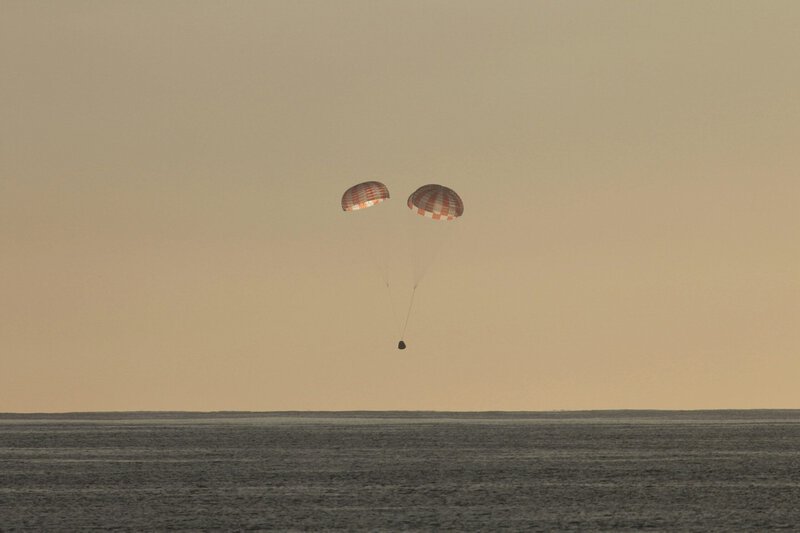
The Soyuz MS-28 spacecraft undocked from the International Space Station at 3:03 a.m. ET and touched down roughly three hours and twenty-four minutes later, as reported by CBS News. The landing itself was the straightforward part. When the hatch opened, Williams and his crewmates did not climb out and wave to the cameras. They were lifted out by medical teams and lowered into reclining chairs, because after more than eight months in microgravity — the condition of near-weightlessness experienced aboard the ISS — their bodies had fundamentally reorganized themselves around the absence of gravity’s pull.
That reorganization is not a malfunction. It is adaptation, exquisitely efficient and, upon return to Earth, profoundly inconvenient. The crew’s 241-day mission placed Williams and his colleagues squarely in the duration range NASA uses to stress-test the human body for future deep-space travel — and every system in the body, from the skeleton to the eyes to the inner ear, has a story to tell about what happens when gravity disappears for months and then, without warning, comes roaring back.
The Skeleton Reckoning: Bone Loss in Microgravity
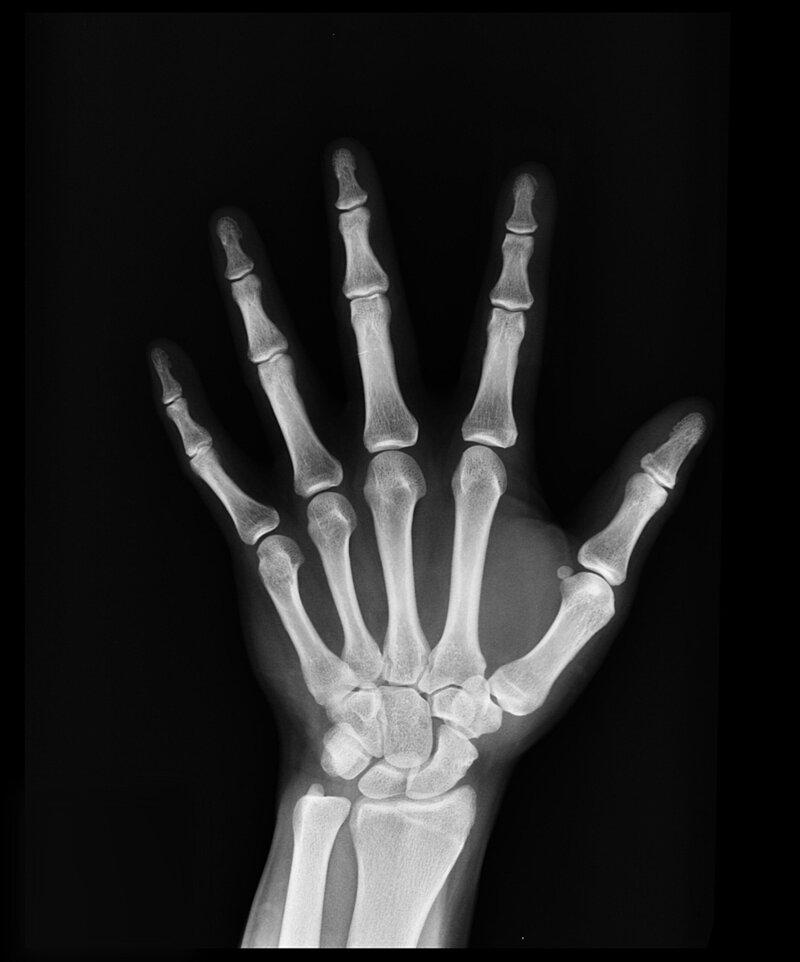
Bone is not inert scaffolding. It is living tissue in a constant state of demolition and reconstruction, maintained by two competing cell populations: osteoblasts, which build new bone, and osteoclasts, which break it down. On Earth, gravity’s relentless mechanical load keeps this balance in equilibrium. Remove that load in microgravity and osteoclasts gain the upper hand, producing a net loss of bone mineral density that, according to a 2022 study published in Scientific Reports by Dr. Leigh Gabel and colleagues at the University of Calgary, averages roughly one to two percent per month in load-bearing bones such as the hip and spine.
To put that rate in context: postmenopausal osteoporosis — one of the most clinically significant bone-loss conditions recognized in medicine — proceeds at approximately one percent per year. Astronauts can experience the equivalent of years of bone aging in a matter of months. The Calgary study, which followed 17 astronauts, found that trabecular bone — the spongy interior lattice that gives bones their compressive strength — did not fully recover in most participants even one year after returning to Earth. Whether some of that loss is permanent remains an area of active scientific investigation, not settled consensus.
The primary countermeasure currently in use is daily resistance exercise. NASA’s Advanced Resistive Exercise Device (ARED), installed on the ISS, allows astronauts to simulate heavy lifting against up to 600 pounds of resistive force. NASA credits ARED use with significantly slowing bone loss over long-duration missions — but not eliminating it. For a 241-day mission like Williams’s, even a reduced rate of loss accumulates meaningfully.
The Cardiovascular Strain: When the Heart Forgets Gravity
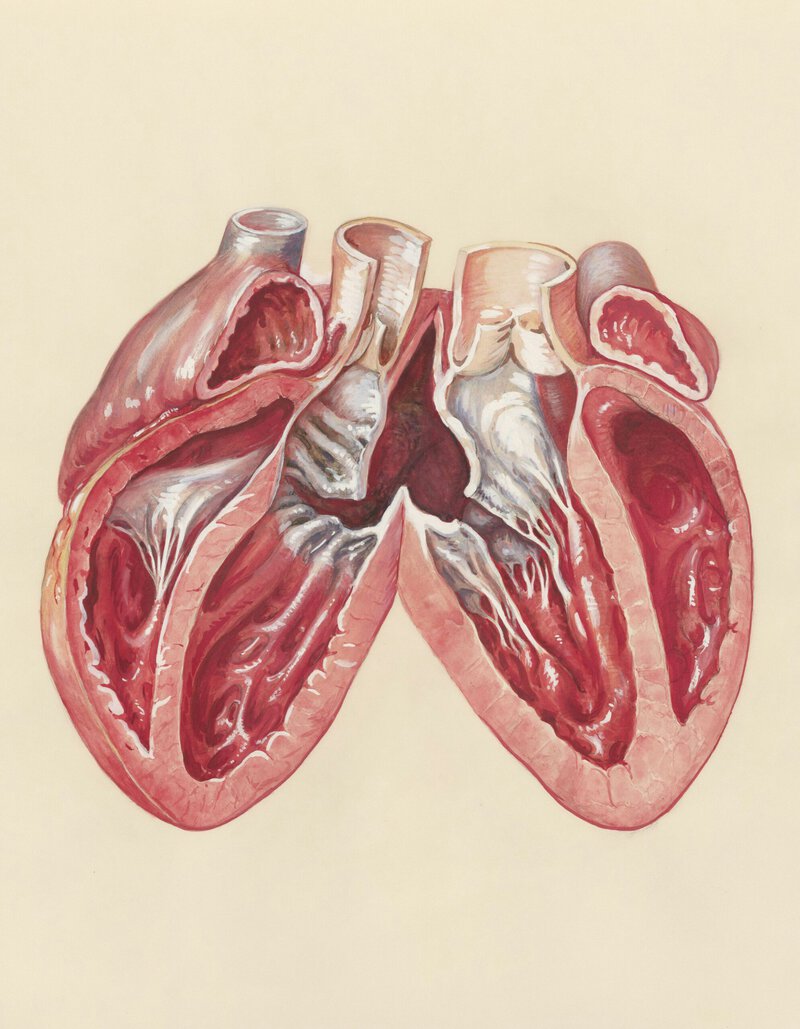
Within the first hours of arriving in microgravity, approximately two liters of fluid shift from the lower body toward the head and chest, according to NASA’s Human Research Program. The cardiovascular system, interpreting this fluid redistribution as a sign that total blood volume is too high, responds by shedding fluid — reducing overall blood volume and recalibrating cardiac output downward. After months in space, this leaner, reconfigured cardiovascular system is perfectly suited to microgravity and entirely unprepared for Earth.
The moment Soyuz MS-28 touched down, gravity reclaimed that fluid downward. The now-contracted cardiovascular system had to suddenly pump blood uphill to the brain against a force it had spent eight months learning to ignore. The result is a condition called orthostatic intolerance — literally, an inability to tolerate standing upright — which can produce dizziness, near-fainting, and dangerously low blood pressure. A 2021 study published in Nature, led by researchers at the University of Texas Southwestern Medical Center, found that the heart’s left atrium shrank measurably during spaceflight and that some cardiac remodeling persisted months after return, though the authors carefully stressed that the long-term clinical significance of these structural changes is not yet fully understood.
To buffer the cardiovascular shock of reentry, both NASA and Roscosmos use fluid-loading protocols — crew members drink large quantities of saline solution before undocking to artificially inflate blood volume — as well as compression garments that help prevent blood from pooling in the legs. These measures reduce, but do not eliminate, the orthostatic challenge of the first hours back on Earth.
Muscle Atrophy and the Rewiring of Balance
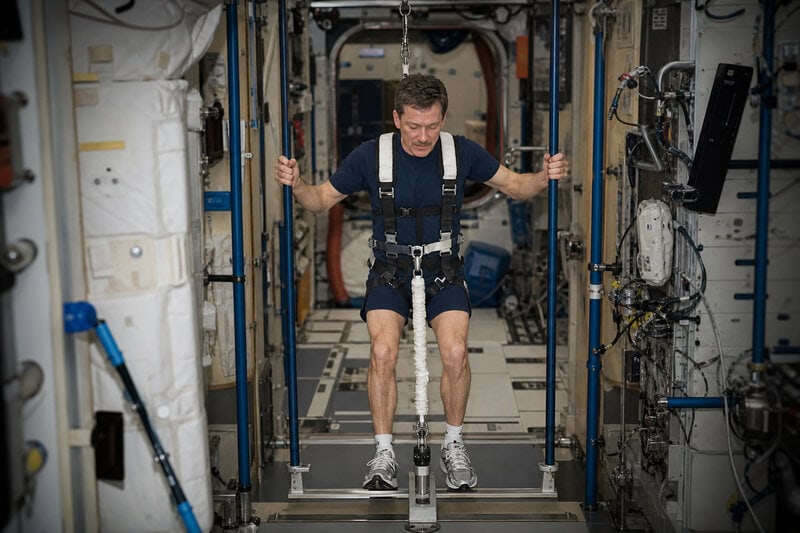
Skeletal muscle, like bone, is maintained by the demands placed on it. In microgravity, the postural muscles of the back, legs, and core — the muscles that spend every waking moment on Earth fighting gravity — have almost nothing to do. NASA’s Human Research Program estimates that without active countermeasures, astronauts can lose up to 20 percent of their muscle mass over a six-month mission. Even with rigorous in-flight exercise, significant atrophy occurs.
Less intuitive, and in some ways more disorienting, is what happens to the vestibular system — the inner-ear apparatus responsible for telling the brain which direction is “down.” Over months of microgravity, the brain gradually rewires its interpretation of vestibular signals to match an environment where there is no meaningful “down.” Upon landing, the sudden, forceful return of a clear gravitational vertical can feel, neurologically, like a violent and nauseating tilt. This neuro-vestibular disruption, documented extensively in NASA’s astronaut health databases, explains why returning crew members are often visibly unsteady or unable to walk unassisted in their first hours back — a normal, temporary reprogramming of the brain’s spatial orientation system, not a sign of injury.
NASA’s formal reconditioning program, run out of Johnson Space Center, spans approximately 45 days and includes structured balance training, resistance exercise, and cardiovascular rehabilitation. Individual recovery timelines, however, vary considerably. Astronaut Scott Kelly, after his 340-day mission, publicly reported that it took roughly a year before he felt fully himself again; other crew members returning from six-month missions have approached near-baseline fitness within two to three months. Researchers attribute this variability to genetics, preflight fitness levels, and adherence to in-flight exercise protocols.
Vision, Fluids, and the SANS Puzzle
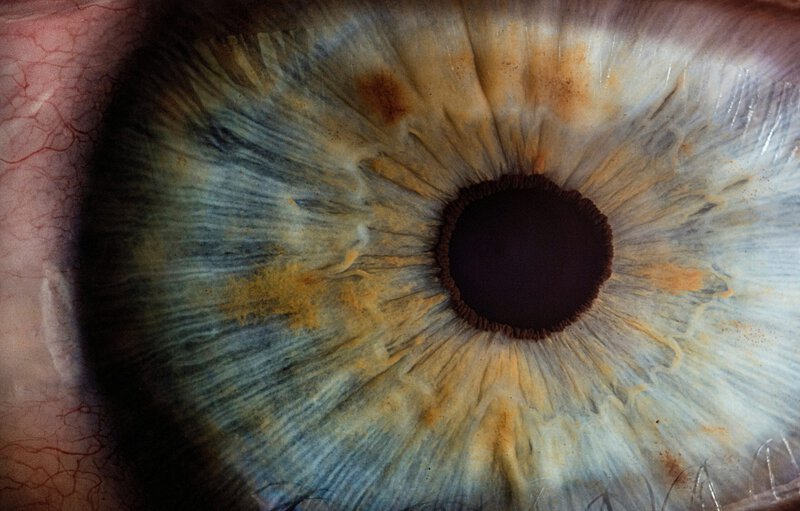
Among the health challenges emerging from long-duration spaceflight research, one stands out for being simultaneously well-documented and poorly understood: Spaceflight-Associated Neuro-ocular Syndrome, or SANS. The same cephalad fluid shift — the headward migration of body fluids that strains the cardiovascular system — also elevates intracranial pressure, the fluid pressure surrounding the brain and spinal cord. Over months, this elevated pressure can flatten the rear surface of the eyeball, shift the optic nerve, and cause lasting farsightedness that persists after return to Earth.
NASA’s Human Research Program lists SANS as one of its top five priority human research risks. As of its most recent evidence reports, the agency acknowledges the condition is real and well-documented across multiple crew members, while also acknowledging that its long-term clinical consequences and the most effective countermeasures remain under active study — a candid admission of scientific uncertainty that distinguishes this risk from more thoroughly characterized conditions like bone loss.
A landmark 2019 study published in the New England Journal of Medicine, analyzing identical twin astronauts Scott and Mark Kelly, found measurable changes in Scott Kelly’s brain structure and gene expression following his year-long mission. The authors were careful to note that these changes did not translate into detectable clinical impairment — a distinction that matters when communicating what is known versus what is speculated. For Williams and his crewmates, returning after eight months aboard the ISS, post-landing ophthalmic examinations are a standard element of the medical protocol, reflecting how seriously SANS is now taken as a mission-duration risk.
What the First Hours, Days, and Weeks Look Like
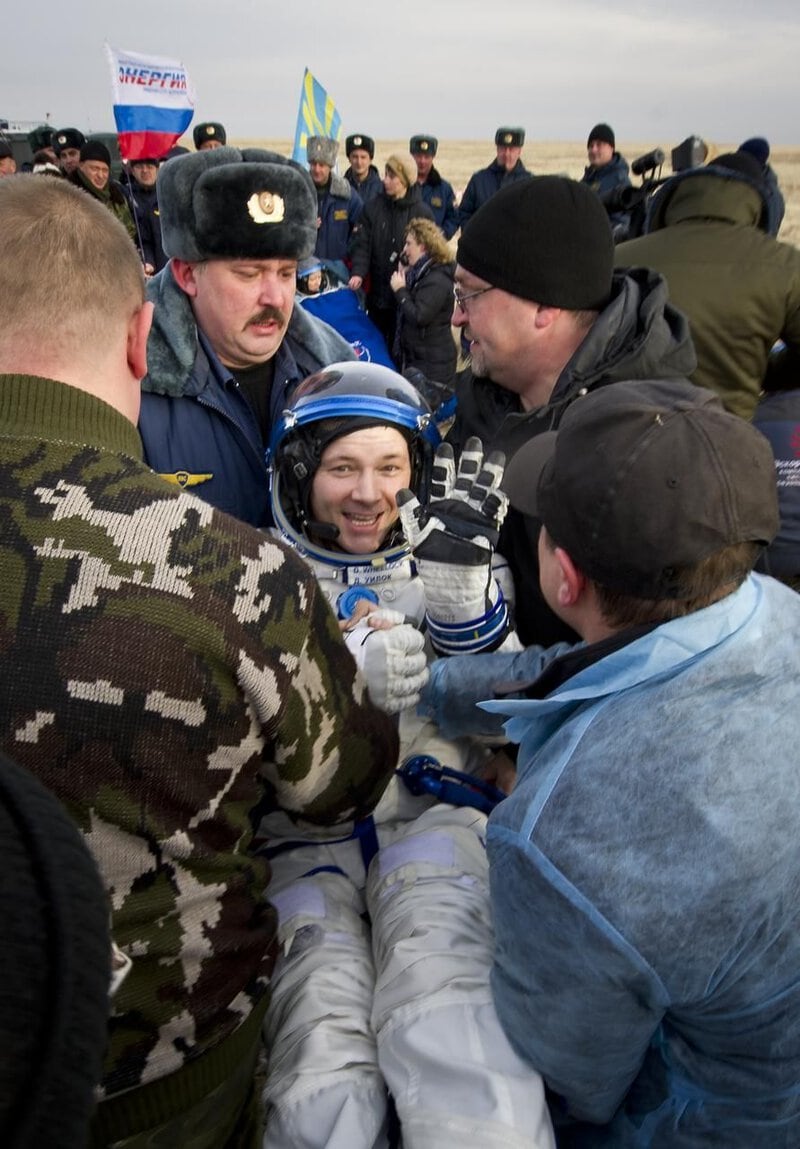
The sequence of recovery is well-rehearsed and methodical. Immediately after touchdown, medical teams extract crew members from the capsule — they cannot exit under their own power — and conduct initial assessments of blood pressure, heart rate, and cognitive orientation while the crew reclines in specially designed chairs engineered to ease the cardiovascular transition. Footage of the recovery operation captures what this looks like in practice: astronauts swaddled against the steppe wind, propped at angles calculated to keep blood in the upper body while the cardiovascular system slowly remembers what it is supposed to do.
In the first 24 to 72 hours, the priority is rehydration, blood volume restoration, and careful monitoring for orthostatic intolerance. Most crew members regain the ability to stand and walk short distances within a day, though always with supervision. The formal 45-day reconditioning program begins within days of landing, structured around evidence that cardiovascular and muscular recovery proceed most aggressively in the first six weeks. Bone density recovery is measured on a different timescale entirely — months to more than a year, with the ultimate degree of recovery still being actively studied.
Why This Mission Matters Beyond the Steppe
The physiological story of Chris Williams’s return is not merely a medical footnote to a successful spaceflight. At 241 days, his mission falls precisely within the duration range that NASA treats as a proxy for the human cost of deep-space travel. A crewed mission to Mars would require roughly seven months of transit each way — meaning astronauts would arrive at another planet already experiencing the bone loss, cardiovascular recalibration, muscle atrophy, and potential vision changes documented in ISS returnees, with no possibility of medical evacuation and no Earth-based reconditioning program waiting for them.
NASA’s Human Research Program explicitly frames long-duration ISS missions as analog data for Mars planning. Every crew member who returns from months in orbit contributes measurements to a dataset that will ultimately determine whether humans can travel to another world and function effectively upon arrival. Emerging pharmaceutical countermeasures — including bisphosphonate drugs to slow bone resorption and experimental centrifuge concepts to generate artificial gravity — remain in early or experimental stages. As of NASA’s most recent evidence reports, no pharmaceutical protocol has been approved for routine use by ISS crews, underscoring how much foundational work remains before a Mars mission becomes medically viable.
The fiery descent of Soyuz MS-28 through Earth’s atmosphere on July 26 was, in the most immediate sense, a homecoming. In a larger sense, it was a controlled scientific experiment conducted on three human bodies — and the data it generates will help determine whether the species that built the ISS can one day plant its feet, however unsteadily, on Mars.