
Inside a clay tablet pressed with wedge-shaped marks roughly 3,000 years ago, three Assyrian kings had been waiting to be found — rulers whose names appear in the historical record of one of antiquity’s most powerful empires, yet whose individual reigns had gone unrecognized by modern scholarship until now. A new study co-authored by Yale Assyriologist Eckart Frahm has identified three previously unrecognized rulers of ancient Assyria, expanding the empire’s royal count and reshaping what historians thought they knew about a pivotal moment in ancient Near Eastern history.
A Kingdom Larger Than Anyone Knew
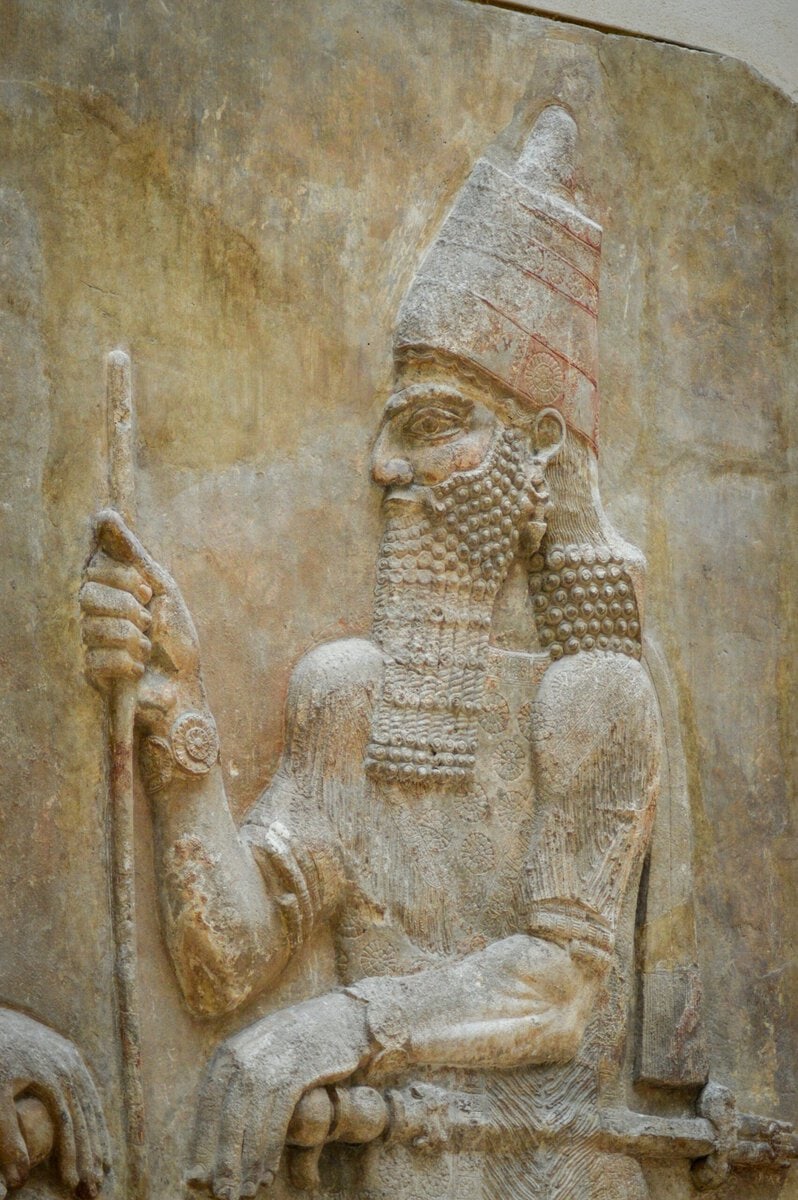
For more than a century, scholars have relied on the Assyrian King List — an ancient cuneiform document cataloguing Assyria’s rulers in sequence — as one of the primary chronological tools for reconstructing Mesopotamian history. The list has long been treated as substantially complete for the periods it covers. The new study, reported by Yale News on July 9, 2026, challenges that assumption directly, proposing that three rulers were absent from the accepted sequence: Ashur-uballit, Tiglath-pileser, and Shalmaneser.
Each of the three proposed kings appears to have held power for less than two years, placing them in a category historians call ephemeral rulers — figures whose brief tenures made them especially vulnerable to deliberate erasure or inadvertent omission from later official records. Their names are not obscure: Ashur-uballit, Tiglath-pileser, and Shalmaneser are all names borne by celebrated and well-documented Assyrian monarchs elsewhere in the record. The challenge for scholars was not recognizing the names but recognizing that these particular individuals, in this particular period, represented distinct reigns not previously accounted for in the standard historical sequence.
According to the study, Ashur-uballit held the Assyrian throne around 913 to 912 BCE — a window of roughly one year that prior scholarship had not identified as a separate reign. A figure named Tiglath-pileser is described in the ancient texts as a rebel king who seized the throne in Ashur, the Assyrian capital and religious heartland, pointing to a period of violent political instability that the conventional narrative had not recognized at this point in Assyrian chronology. The third proposed ruler, Shalmaneser, completes a trio whose collective existence, once identified, forces a reexamination of the early tenth century BCE in Assyrian history.
What the Assyrian King List Is — and Why Its Accuracy Matters
Assyria — the empire centered in what is now northern Iraq — dominated the ancient Near East for much of the first and second millennia BCE, making the accuracy of its king list consequential far beyond Assyria itself. Scholars use the Assyrian King List to anchor dates across the ancient world, cross-referencing Assyrian rulers with events in neighboring cultures including Babylonia, Israel, and Urartu. An error or gap in the list does not stay local: it ripples outward through the interconnected chronologies of an entire region.
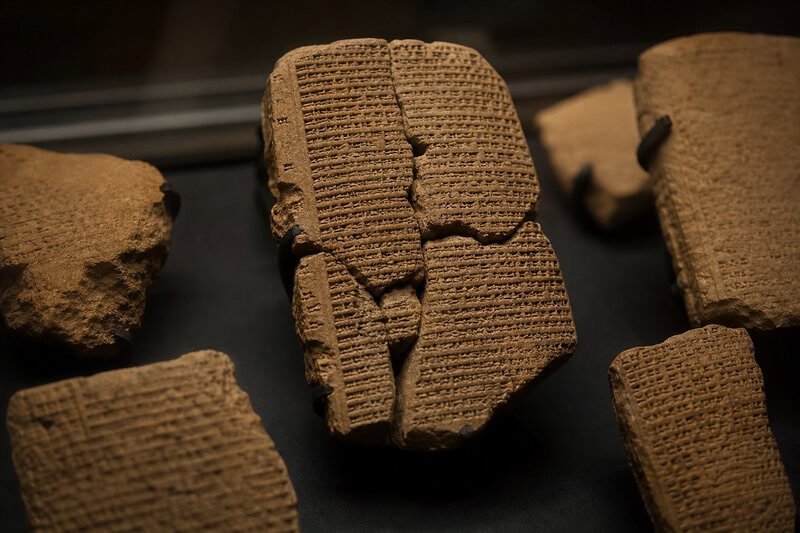
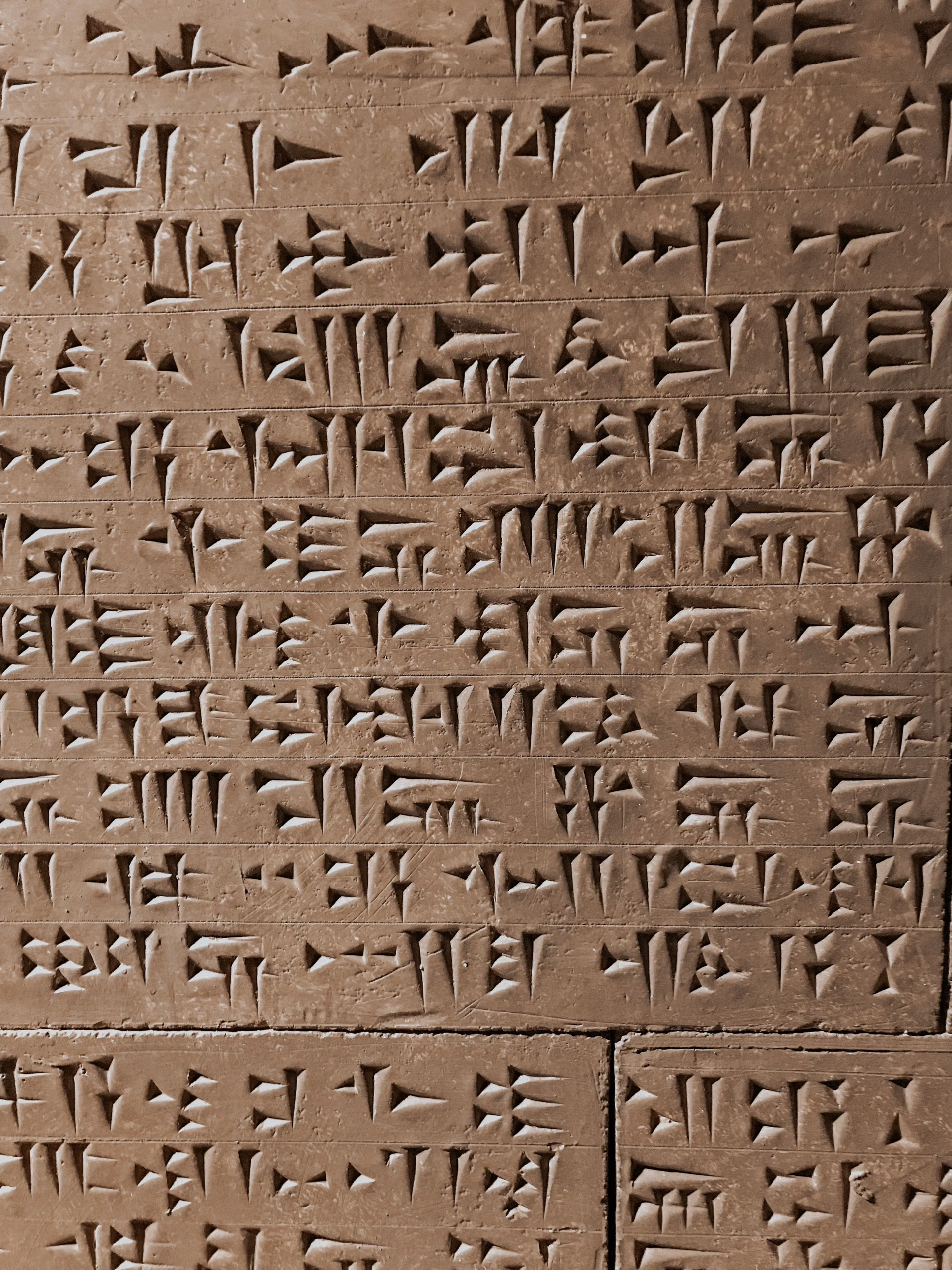
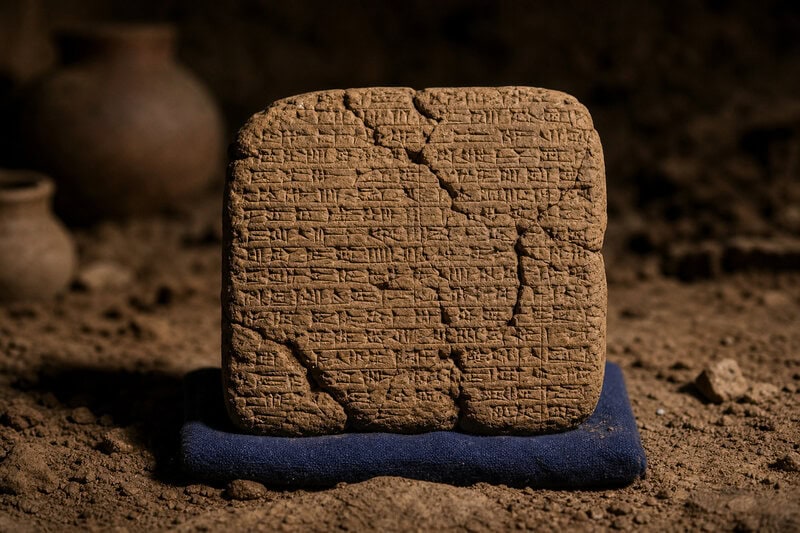
Cuneiform — from the Latin cuneus, meaning wedge — is one of the world’s earliest writing systems, produced by pressing a reed stylus into wet clay to create distinctive wedge-shaped impressions. Thousands of cuneiform tablets survive in museum collections from London to Istanbul to Baghdad, and new readings of those tablets continue to reshape historical understanding in significant ways. The evidence supporting the three newly proposed kings comes from ancient cuneiform records: clay tablets and inscriptions that preserve administrative, religious, and royal data across millennia.
Identifying an erased or overlooked king from such records is methodologically demanding work. It typically requires triangulating multiple independent sources: discrepancies in year-counts between documents, references in administrative texts to rulers absent from the official list, or eponym records — annual lists of named officials used by the Assyrians to track years, functioning similarly to a modern calendar — that do not align with the accepted royal sequence. The involvement of Eckart Frahm, one of the foremost scholars of Assyrian history and cuneiform literature, lends the analysis significant methodological weight, though the authors present these figures as proposed rulers pending broader scholarly review.
Three Names the Record Tried to Forget
The identification of Tiglath-pileser as a rebel king is particularly illuminating. In the ancient Near East, the practice scholars call damnatio memoriae — the deliberate erasure of a ruler from official records — was applied systematically to rebels, usurpers, and figures on the losing side of dynastic conflicts. A ruler who seized power by force and was subsequently overthrown would have had every trace of his existence removed from the record by the dynasty that outlasted him. Tiglath-pileser’s description as a rebel who seized the throne in Ashur places him squarely in this category: a figure whose very existence was inconvenient for the historical narrative controlled by those who eventually prevailed in Assyria’s internal power struggles.
Short reigns created additional practical problems for ancient record-keepers, independent of any deliberate suppression. The Assyrian dating system relied on eponym years tied to named officials, and a ruler who held power for only months could slip through the cracks of administrative documentation before a coherent eponym record was even established. The combination of brief tenure, potential political illegitimacy, and the general tendency of victors to write history made ephemeral kings across the ancient world systematically undercounted in official lists.
The pattern is not unique to Assyria. Parallel cases of rediscovered short-lived rulers have emerged in ancient Egypt, Babylonia, and the Hittite empire, underscoring that official king lists across the ancient world routinely understated the full complexity of political reality. As Archaeology Magazine’s coverage of the discovery notes, the Assyrian case fits into a broader scholarly recognition that ancient royal records were curated documents shaped by political interest, not neutral administrative tallies.
What Three Extra Kings Change About Assyrian History
Adding three rulers to the Assyrian record carries consequences that extend beyond the simple arithmetic of a longer king list. If the early tenth century BCE accommodated a contested succession — including at least one rebel seizure of the capital — then that period was a considerably more turbulent moment in Assyrian political history than the standard narrative acknowledged. Understanding Assyria’s subsequent recovery and its eventual expansion into one of the ancient world’s largest empires requires accounting for the instabilities that preceded and shaped it.
There are also chronological implications for neighboring cultures. Scholars date events in ancient Israel, Babylonia, and other Near Eastern polities partly by cross-referencing them with the Assyrian sequence. Introducing three additional reigns into the early tenth century BCE, even very short ones, could shift the alignment of dates in ways that will require careful reassessment across multiple fields of ancient history.
For the broader field of Mesopotamian scholarship, the study also exemplifies a methodological trend accelerating through the 2020s: the use of digital cuneiform databases and interdisciplinary collaboration to extract new historical information from tablets excavated decades or even a century ago. Many clay tablets that contain potentially transformative historical data were unearthed long before modern analytical tools existed, and they sit in museum storerooms and catalogues only partially studied. Reporting by Arkeo News on the cuneiform evidence behind the three kings highlights how much remains unread even in well-known collections.
Open Questions and the Road to Scholarly Consensus
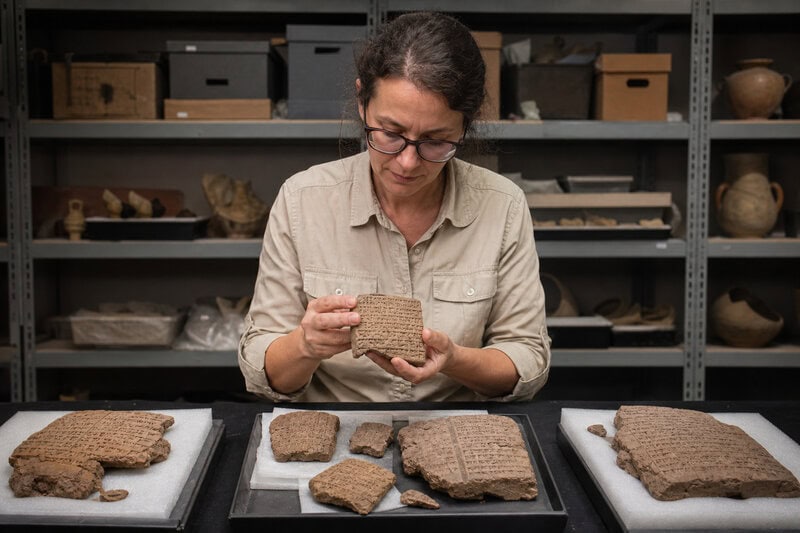
It is important to draw a clear distinction between what is established and what remains emerging. The broad outline of Assyrian history — its major kings, its imperial expansion, its administrative and military structures — represents well-founded historical consensus built on more than a century of Assyriology. The identification of Ashur-uballit, Tiglath-pileser, and Shalmaneser as distinct, previously unrecognized rulers is a new and specific claim that now enters the process of scholarly evaluation. Before these three kings can be considered firmly established additions to the historical record, the wider community of Assyriologists must examine the cuneiform evidence presented in Frahm’s study and offer independent assessments.
One key open question concerns the precise political relationship among the three ephemeral rulers. Were they sequential claimants in a single succession crisis unfolding over a compressed period, or did their reigns represent distinct episodes of instability spread across a wider timeframe? The answer would significantly affect how historians characterize the political landscape of early tenth-century BCE Assyria and how subsequent rulers consolidated power.
A second open question is the degree of chronological disruption these three reigns introduce. Even brief, poorly documented reigns can shift the alignment of eponym years enough to affect dates currently assigned to events in neighboring cultures. Resolving that question will require specialists in Babylonian, Israelite, and Anatolian chronology to assess the downstream effects of the proposed additions.
Researchers will likely seek corroborating evidence in as-yet-unpublished or only partially catalogued tablet collections held in museums across Europe and the Middle East. Thousands of cuneiform documents remain unstudied, and any one of them could contain a reference that either supports or complicates the proposed identifications.
As Assyriology continues to digitize and systematically cross-reference cuneiform archives, scholars broadly expect further revisions to ancient king lists and royal chronologies. This discovery is less a closed chapter than a demonstration that the historical record of the ancient world is still actively being written — and that a clay tablet pressed into shape three millennia ago can still carry news.