
When BFGoodrich Tires announced it had become a National Partner of “NASA,” the headline traveled quickly — but the organization behind the acronym is not the one that launches rockets. Here is what this partnership actually is, who it covers, and why a major tire brand chose this particular moment to invest in grassroots road racing.
The ‘NASA’ Here Is a Road Racing Organization, Not the Space Agency
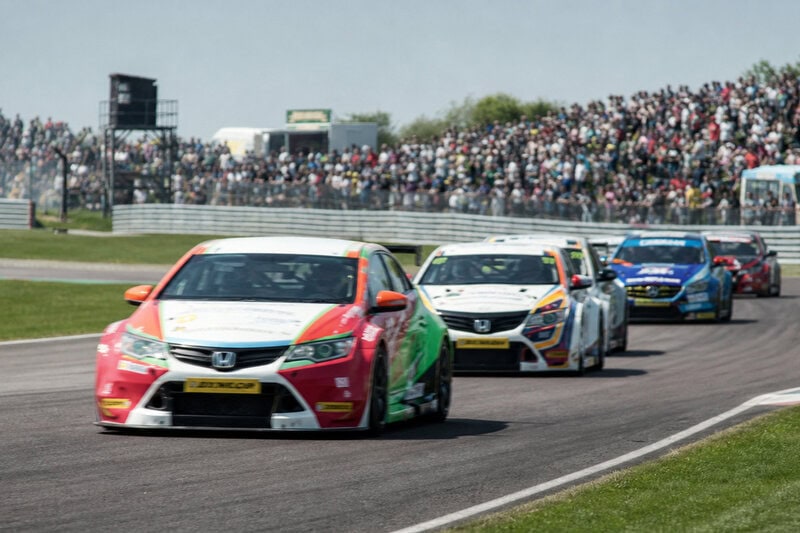
BFGoodrich Tires has been named a National Partner of the National Auto Sport Association — a U.S. road racing and high-performance driving sanctioning body that has operated under the NASA acronym independently for decades. The two organizations share nothing beyond four letters.
The announcement appeared on NASA’s official Facebook page and Instagram account, where the shared abbreviation makes the mix-up especially easy to encounter during a casual scroll. Anyone expecting news about planetary rovers or rocket programs will find instead a membership-based motorsport organization focused on track days and amateur competition across the United States.
BFGoodrich’s First-Ever Contingency Program With This Series
The partnership marks the first contingency program BFGoodrich Tires has ever established with the National Auto Sport Association. In motorsport, a contingency program is a sponsor-funded reward structure that pays out prizes — typically cash or product discounts — to competitors who use and display the sponsor’s products at sanctioned events.
The “first-ever” designation is not marketing boilerplate. Despite the National Auto Sport Association’s long operational history, BFGoodrich had no formal financial or rewards relationship with the series before this announcement. This is a genuine starting point rather than a renewal or expansion of an existing deal.
A Tiered ‘Frequent Flyer’ Structure Rewards More Active Participants
Rather than offering a flat reward to anyone who displays a decal, BFGoodrich’s contingency program scales its tire discounts upward the more a participant competes — the more events entered, the larger the discount earned. This tiered architecture mirrors loyalty programs familiar from the airline industry, where accumulated activity unlocks progressively better benefits.
The practical effect is that the program is designed to build long-term brand loyalty among drivers already committed to the NASA event calendar. A competitor who attends multiple regional rounds across a season will earn a more meaningful discount than one who attends a single event, creating a concrete financial incentive to remain engaged throughout the year rather than to show up once.
Time Trial Competitors Receive Dedicated Program Coverage
The partnership includes contingency benefits specifically structured for Time Trial competitors, not only wheel-to-wheel racers. Time Trial is a format in which drivers run solo laps against the clock rather than competing directly alongside other cars on track — a discipline that attracts drivers who prioritize personal lap-time improvement over door-to-door combat and who may have different event schedules and tire consumption patterns than traditional racers.
Dedicating a program line to Time Trial participants signals that BFGoodrich is not simply chasing headline racing classes for brand visibility. It reflects a deliberate effort to reach multiple competitive formats within the NASA structure and the distinct membership segments each format serves.
Open-Tire Racing Classes Are Explicitly Included

The BFGoodrich contingency program covers open-tire racing classes — categories in which competitors are not restricted to a single specified tire brand or model. This is a meaningful structural choice. In spec-tire classes, all competitors run the same rubber regardless of sponsor incentives, so a contingency program would have little practical influence on purchasing decisions.
Covering open-tire classes places BFGoodrich in direct competition with rival tire brands for purchasing loyalty at every event. For drivers in those categories, the discount incentive becomes a concrete financial reason to choose BFGoodrich over an equally legal competing product, transforming the contingency program into an active sales conversion tool rather than a passive branding exercise.
HPDE Drivers — Not Just Racers — Are Eligible
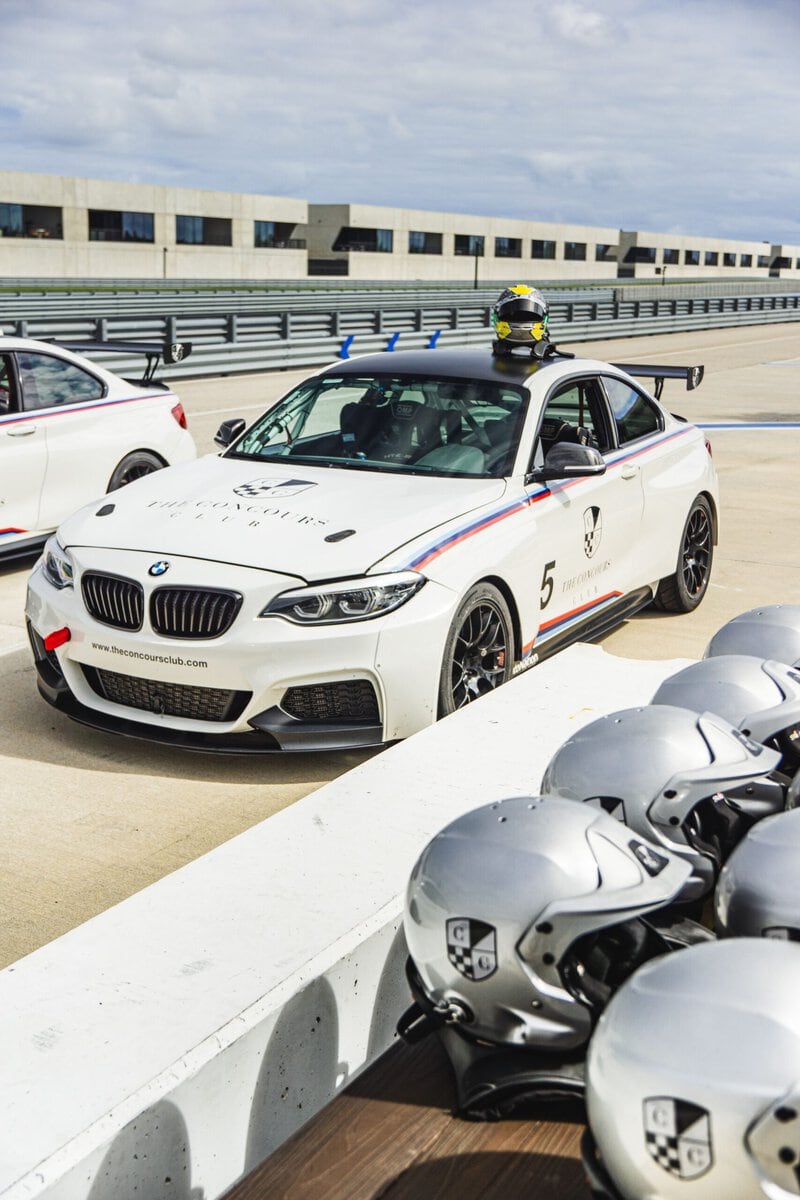
High Performance Driving Experience participants — non-competitive track-day drivers focused on skill development rather than racing results — are included in the program’s benefits. HPDE programs typically represent a large segment of National Auto Sport Association membership, comprising enthusiasts who attend events regularly to improve their driving on a closed circuit but who may never enter formal competition.
Extending benefits to HPDE drivers dramatically broadens the potential audience for BFGoodrich’s program beyond the relatively small pool of licensed competitors. From a market-reach perspective, this is a commercially significant design decision in the entire structure: the program touches a broad portion of the membership, not just its competitive tier.
NASA Instructors Are Explicitly Named as Eligible — an Uncommon Inclusion

NASA instructors, who coach HPDE students on track, are explicitly listed as eligible participants in the program. Including instructors is an uncommon move in motorsport contingency structures, which typically target competitors rather than coaching staff.
The rationale becomes clear in the HPDE context: instructors are among the most influential equipment advisers within the membership. A first-time track driver asking an experienced instructor which tires to buy is receiving guidance that could shape a purchasing relationship lasting years. Recognizing instructors as program participants reflects a precise understanding of how buying decisions actually propagate through the NASA ecosystem — through peer recommendation as much as through podium visibility.
The Program Is Accessible to the Full Membership, Not Just Top Finishers
BFGoodrich’s program is explicitly open to all NASA participants across membership levels. Many manufacturer contingency programs in motorsport reserve rewards for class winners or podium finishers, effectively excluding the majority of the field from any financial benefit and concentrating brand association at the very top of the results sheet.
The inclusive design suggests BFGoodrich is prioritizing broad market penetration over prestige association with only top finishers. The brand appears more interested in being the tire that every NASA participant considers than in being the tire that only champions use — a meaningful strategic distinction that shapes the entire program’s architecture.
BFGoodrich Is Betting on a Series Described as Growing, Not Already Dominant
Coverage of the announcement in Performance Racing Industry and BFGoodrich’s own press release frame the National Auto Sport Association as a growing series — a candid acknowledgment that BFGoodrich is investing in an ascending property rather than an already-dominant platform. Entering a rising organization early allows a sponsor to secure visibility and member familiarity before the space becomes more expensive and contested.
If the National Auto Sport Association’s membership and event calendar continue to expand, BFGoodrich will have established its discount relationships and brand presence before competing tire brands recognized the same opportunity and moved to claim it.
Taken together, the architecture of this partnership — tiered rewards, coverage spanning multiple competitive formats, and the deliberate inclusion of HPDE drivers and instructors — describes a program engineered less for trophy-case marketing and more for sustained, broad-based market presence across one of the most accessible grassroots road racing organizations in the United States.