17. Discovery of Sickle Cell and Malaria Resistance
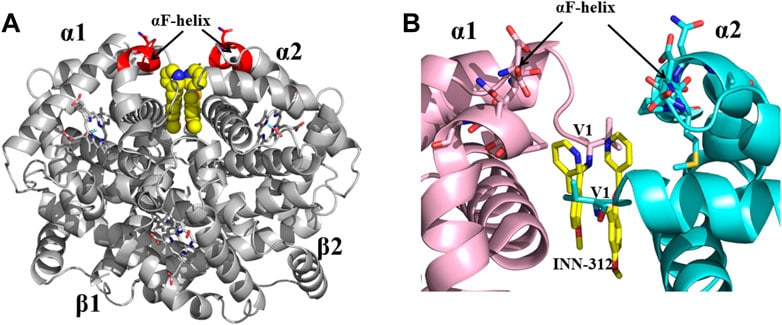
The identification of the sickle cell gene provided a striking example of how genetics and environment interact. People with one copy of the gene are less susceptible to malaria, offering a survival advantage in regions where the disease is common.
This discovery showed how genetic traits can be shaped by environmental pressures and directly impact population health. It remains a classic case of natural selection at work in the human genome.
Learn more