7. The First True Cells
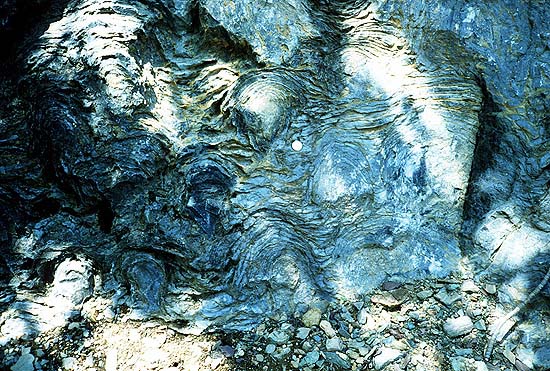
The emergence of the first true cells marked a significant milestone in the evolution of life. These cells, primarily prokaryotic in nature, were simple and lacked a nucleus or complex organelles. Characterized by their ability to replicate and metabolize, these early cells were likely anaerobic, thriving in environments devoid of oxygen. They were enclosed by a lipid membrane that maintained a distinct internal environment, allowing for biochemical reactions to occur more efficiently. The development of true cells not only represents a leap in biological complexity but also laid the foundation for the diverse forms of life that would evolve subsequently.