3. The Formation of RNA
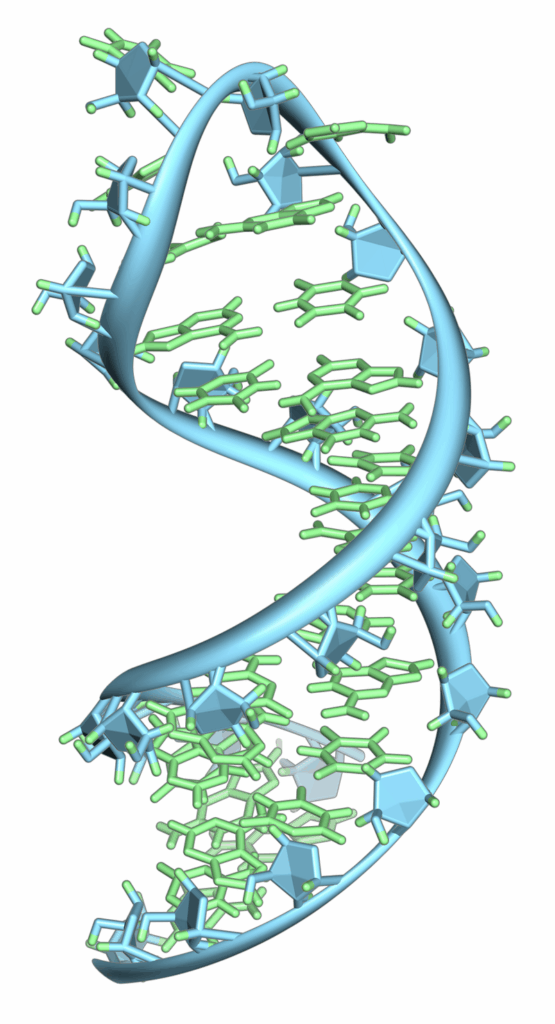
The emergence of RNA marked a pivotal moment in the evolution of life, leading to the formulation of the RNA world hypothesis. This hypothesis suggests that early life forms may have relied primarily on RNA for storing genetic information and catalyzing biochemical reactions. Unlike DNA, RNA can both encode genetic data and function as a catalyst, allowing for self-replication and evolution. The formation of RNA from simple organic molecules signifies a crucial step in the transition from non-living to living systems, as it provided a mechanism for heredity and variation, integral to the development of more complex life forms.