9. The Rise of Eukaryotes
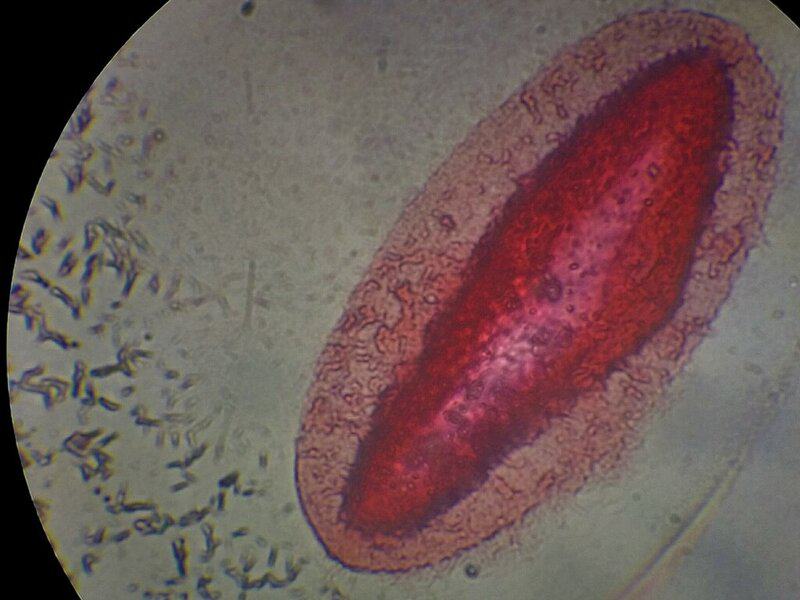
The transition from prokaryotic to eukaryotic cells marks a significant leap in biological complexity. Eukaryotes are characterized by their membrane-bound nucleus and organelles, allowing for compartmentalization of cellular processes. This structural differentiation enabled more efficient metabolism, energy production, and genetic regulation. The rise of eukaryotes is believed to have occurred through a process called endosymbiosis, where one prokaryotic cell engulfed another, leading to a symbiotic relationship. This evolutionary advancement allowed for greater diversity and specialization, paving the way for the emergence of multicellular organisms and ultimately shaping the trajectory of complex life on Earth.