7. Monoclonal Antibodies for RSV
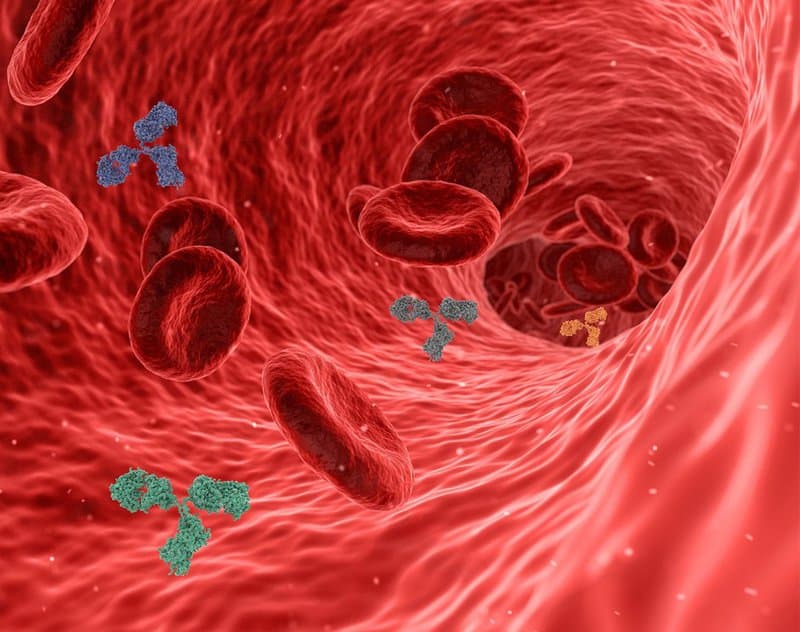
The recent FDA approval of nirsevimab, a long-acting monoclonal antibody, marks a major advance in preventing RSV infection in infants. Administered as a single dose before the respiratory season, nirsevimab demonstrated up to 75% reduction in RSV-related hospitalizations in phase 3 trials. This contrasts with palivizumab, which requires monthly injections for high-risk babies and has lower efficacy. By offering season-long protection, it promises to reduce infant morbidity, healthcare costs, and parental stress. FDA announcement