4. Eukaryotic Cells Emerge
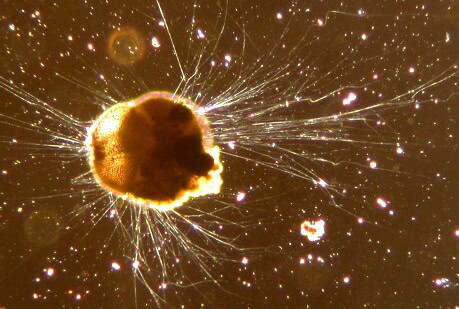
Approximately 2 billion years ago, a significant evolutionary leap occurred with the emergence of eukaryotic cells. Unlike their prokaryotic counterparts, eukaryotic cells possess a defined nucleus and complex organelles, such as mitochondria and chloroplasts. This structural complexity allowed eukaryotes to perform specialized functions and engage in more sophisticated metabolic processes. The development of eukaryotic cells paved the way for multicellular organisms, enabling the formation of tissues and organs. This milestone was instrumental in diversifying life forms, leading to the eventual rise of plants, fungi, and animals. Eukaryotes became the dominant life forms on Earth, showcasing enhanced adaptability and innovation.