2. The First Prokaryotes
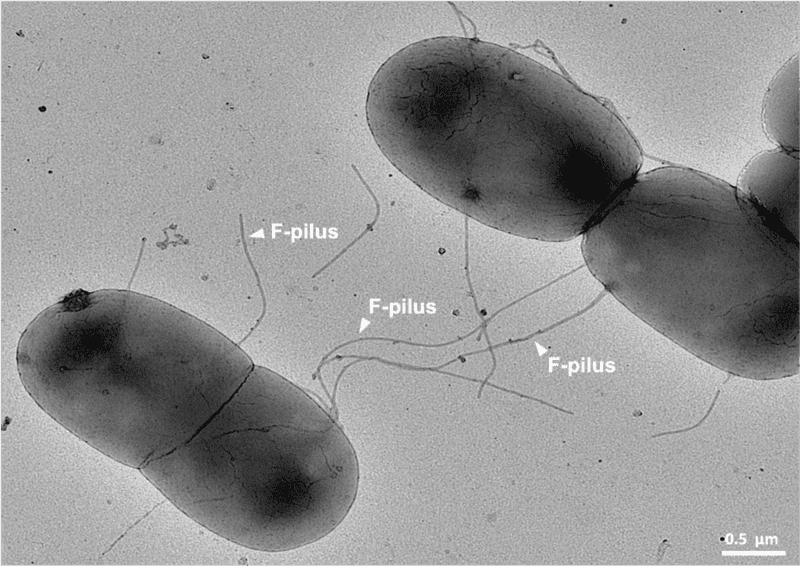
Following the formation of simple organic molecules, the next significant milestone in evolution was the emergence of prokaryotic cells. These single-celled organisms, which include bacteria and archaea, appeared around 3.5 billion years ago. Prokaryotes were revolutionary, as they introduced the concept of cellular life without a nucleus. Their simplicity allowed them to thrive in diverse environments, showcasing remarkable adaptability. Additionally, prokaryotes played a crucial role in shaping Earth’s atmosphere by producing oxygen through photosynthesis, ultimately paving the way for more complex life forms. Their presence marked a pivotal shift in the biological landscape of our planet.