11. The Rise of Mammals
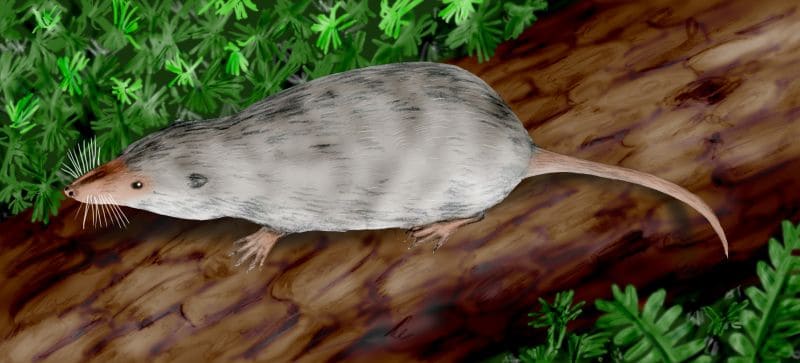
Following the extinction of the dinosaurs around 65 million years ago, mammals began to flourish and diversify in the newly vacant ecological niches. Early mammals were small and nocturnal, but over time, they evolved various adaptive strategies that allowed them to thrive in different environments. Key adaptations included warm-bloodedness, fur for insulation, and the ability to nurture their young with milk. These traits enabled mammals to exploit a wide range of habitats, from forests to deserts. As they evolved into numerous forms—from rodents to large whales—they established themselves as the dominant terrestrial vertebrates, setting the stage for the complexity of life seen today.