9. The Transition to Land
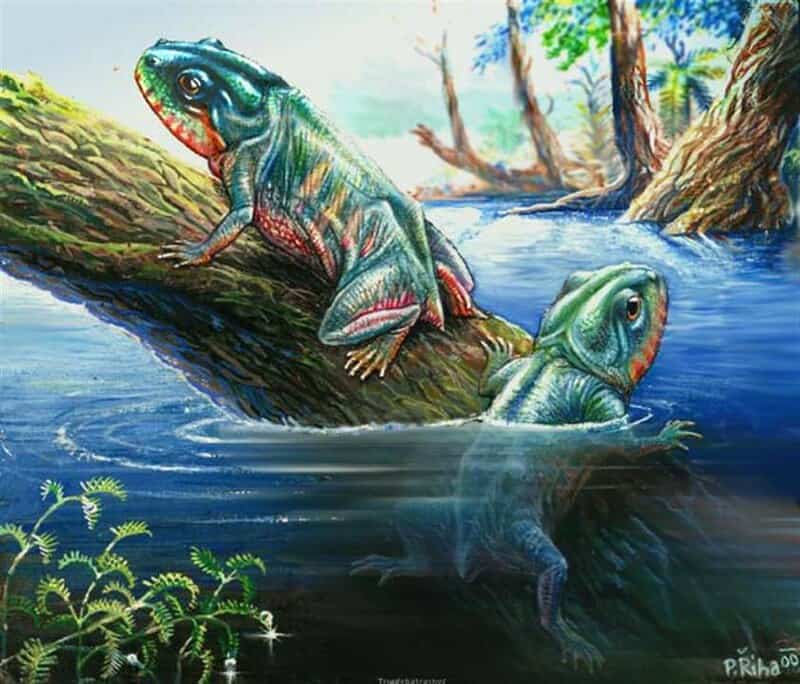
Approximately 375 million years ago, certain fish began to adapt to life on land, marking a crucial transition in evolutionary history. These early fish developed features such as stronger fins, which eventually evolved into limbs, enabling them to navigate terrestrial environments. This evolutionary leap led to the emergence of amphibians, the first vertebrates to thrive both in water and on land. Adaptations such as lungs for breathing air and moist skin for respiration were vital for survival in this new habitat. This transition not only expanded the diversity of life forms but also paved the way for the eventual rise of reptiles, birds, and mammals.