1. Tardigrades: Masters of Survival
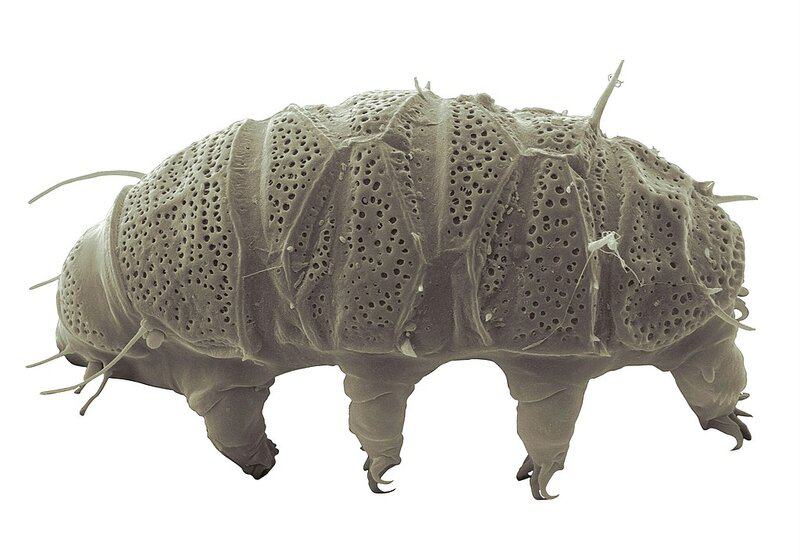
Tardigrades, commonly known as water bears, are microscopic invertebrates renowned for their exceptional resilience. They can endure extreme temperatures, lethal radiation, and even the vacuum of space by entering a cryptobiotic state—a form of suspended animation that allows them to survive conditions that would be fatal to most other life forms. (en.wikipedia.org) In their cryptobiotic state, tardigrades can withstand temperatures ranging from nearly absolute zero to over 150°C, pressures up to 6,000 atmospheres, and radiation levels hundreds of times higher than what is lethal to humans. (iere.org) This remarkable survival strategy challenges the conventional notion that life is fragile and underscores the adaptability of life forms to extreme environments. Compared to more delicate micro-animals, tardigrades’ ability to endure such harsh conditions highlights the diverse survival strategies evolved by different species. Their resilience not only fascinates scientists but also offers insights into the potential for life to exist in extreme environments beyond Earth.