Fly Parasite in Honeybees
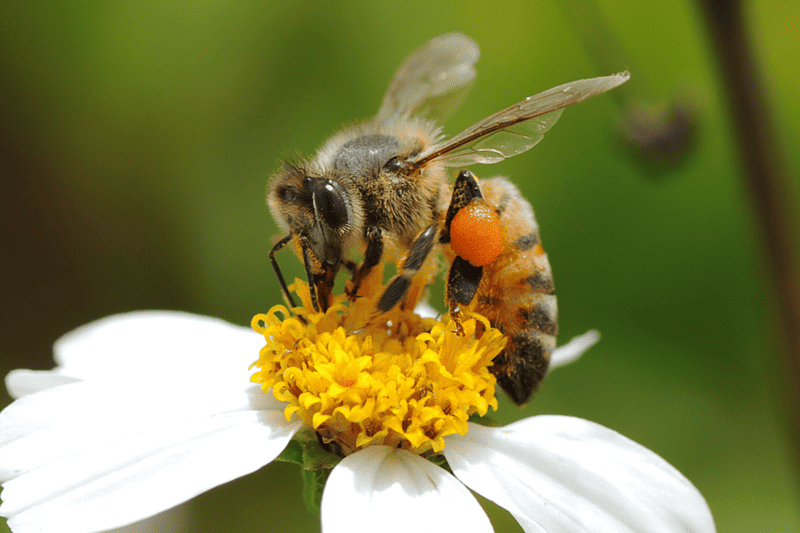
Honey bees are falling victim to a fly parasite that thrusts them into a state of disoriented frenzy, reminiscent of the living dead. Researchers at San Francisco State University stumbled upon this eerie phenomenon, shedding light on a potential link to the enigmatic Colony Collapse Disorder (CCD) that has plagued honey bee colonies nationwide since 2006. In a routine search for insects scientists uncovered a vial teeming with fly pupae swarming around unsuspecting bees.
The culprit? Apocephalus borealis, a fly that deposits its eggs within a bee’s abdomen, ultimately leading to a grim fate. What’s truly baffling is the bees’ behavior post-parasitization. Afflicted bees abandon their hives, embarking on a nocturnal pilgrimage towards light sources, displaying erratic movements and a stark lack of direction. Andrew Core, a graduate student spearheading the study, likened their behavior to that of zombies, a poignant metaphor for the surreal scene unfolding within the hive.
Moreover, genetic analysis revealed a sinister partnership between the parasite and other pathogens like deformed wing virus and Nosema ceranae fungus, both implicated in CCD. Could this fly parasite be the missing puzzle piece in the CCD mystery? The quest for answers intensifies as researchers delve deeper into understanding the mechanisms driving this parasitic takeover.
Intriguing questions linger: How does the parasite manipulate the bees’ behavior? Are infected bees ousted by their hive mates or compelled to leave of their own accord? The hunt for solutions entails deploying cutting-edge tools, from miniature radio tags to meticulous video monitoring, to decode this cryptic phenomenon and safeguard bee populations.