Parasitic Worms Infect Snails
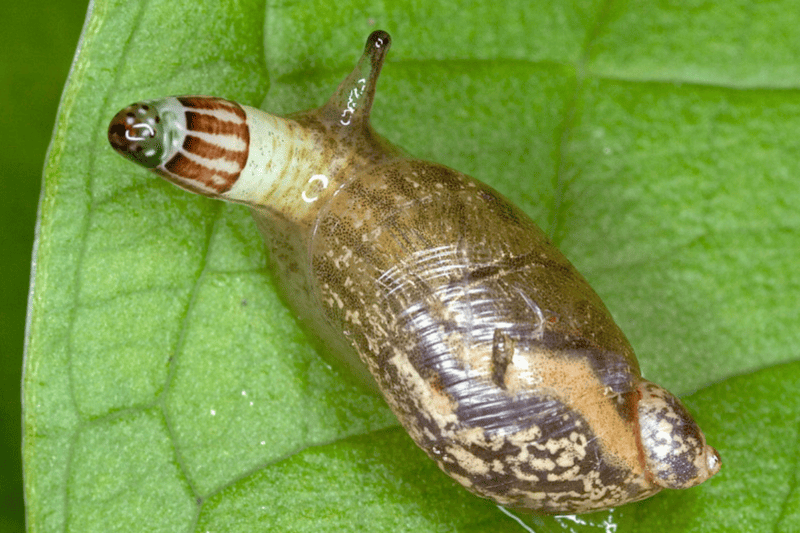
Imagine the plight of the snail, ensnared in a nightmare scripted by Leucochloridium, a diabolical parasitic worm. Invading the snail’s eyestalks, it pulsates, mimicking a tempting caterpillar to lure winged predators. This isn’t just about staying alive; it’s a chilling display of evolutionary cruelty. For over a century, scientists marveled at Leucochloridium’s manipulation until biologist Tomasz Wesołowski uncovered its true horror in 2013.
Within the snail, the worm orchestrates a grotesque spectacle, castrating its host and redirecting energy for its own ends. But the horror doesn’t end there. Leucochloridium takes control, compelling the snail into the dangerous daylight, where predators lurk. The method behind this manipulation baffles scientists, shrouded in mystery like many other parasitic enigmas.
Wesołowski’s research reveals the extent of the snail’s torment: infected individuals become hyperactive, climbing to perilous heights in a frenzied bid to attract bird predators. Yet, amidst this horror, the snail survives, regenerating lost parts to become a vessel for more parasites. Leucochloridium and its kin have mastered the art of parasitic manipulation, perpetuating their cycle of horror with chilling efficiency.